
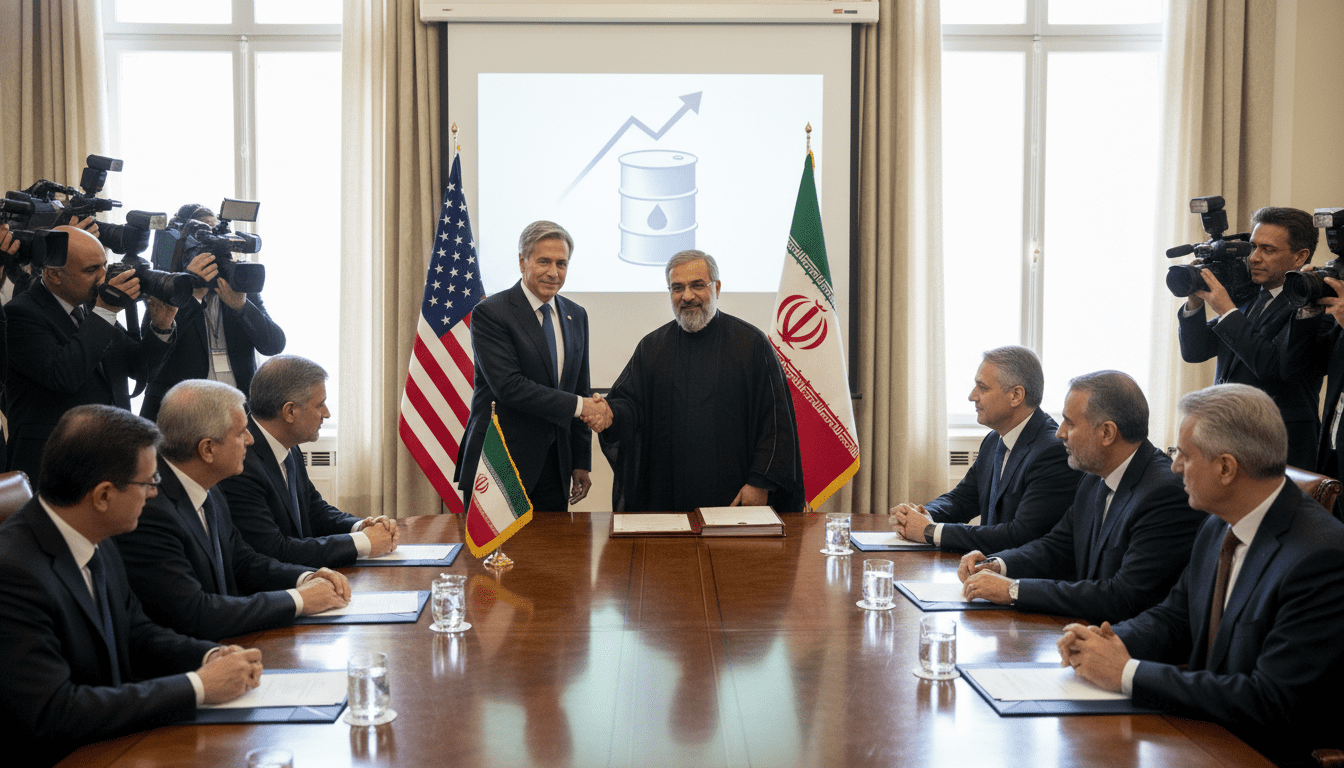
U.S.-Iran ceasefire reportedly agreed, lifting oil sanctions and ending maritime blockade
U.S.-Iran ceasefire reportedly agreed on a 60-day truce, with the U.S. easing oil sanctions and Iran clearing sea mines and reopening the Strait of Hormuz.
U.S. and Iran Reach Deal for 60-Day Ceasefire and Maritime Access
Reports indicate the United States and Iran have reached a tentative agreement on a U.S.-Iran ceasefire that would pause hostilities for 60 days. The deal reportedly includes an American commitment to lift sanctions targeting Iran’s oil sector in exchange for Iran reopening the Strait of Hormuz and removing naval mines. Negotiations over Iran’s nuclear programme are expected to be deferred to talks that would take place during the 60-day period, giving Tehran what its negotiators claim as a diplomatic win.
Details remain subject to confirmation by official spokespeople and the terms appear to hinge on reciprocal, verifiable steps at sea and in international ports. The reported arrangement would mark a significant shift in a period of heightened maritime tension and would alter the enforcement posture of U.S. naval operations in the region. Analysts caution that implementation, verification and the precise sequencing of sanctions relief and mine removal will determine whether the ceasefire holds.
Turkish Security Forces Evict Main Opposition Headquarters in Ankara
In Ankara, security forces cleared the headquarters of Turkey’s largest opposition party after a standoff that escalated into clashes with police. Riot police reportedly used tear gas to break through barricades and compelled party leader Özel to leave the building, prompting a march by supporters toward the Turkish parliament. The leader was later pictured raising his fist atop a water cannon, an image circulated widely and framed by many supporters as a symbol of defiance.
The operation has intensified political tensions ahead of upcoming legislative sessions, with party officials describing the move as an assault on democratic space. Government representatives defended the clearance as a law-enforcement action to restore order. The episode may fuel further protests and legal challenges as opposition figures seek to rally public support.
Pope Issues New Encyclical Calling for AI Governance
The Vatican released a new papal encyclical, titled “Magnifica Humanitas,” in which Pope Leo XIV urged global guidelines for artificial intelligence and called for safeguards to protect human dignity. The document warns against the concentration of AI capabilities in a few hands and describes potential abuses that could amount to new forms of servitude. The pope’s intervention frames AI governance as an ethical imperative that should guide policymakers, industry leaders and researchers.
The encyclical proposes principles for transparency, equity and human-centered oversight, and calls on international institutions to engage in coordinated rule-making. Religious leaders and technology experts are likely to debate the papal recommendations, which aim to influence both public opinion and regulatory agendas. The Vatican’s entry into the AI policy debate underscores the global reach of ethical concerns surrounding rapidly evolving technologies.
Sudetendeutscher Day in Brno Highlights Postwar Reconciliation
In the Czech city of Brno, the Sudetendeutscher Day drew participants commemorating the history of Sudeten Germans and pursuing reconciliation eight decades after wartime displacements. Organizers described the mood as broadly cordial despite some protests against the gathering, with many attendees reporting warm interactions and symbolic gestures of mutual recognition. The event, which included cultural programs and private meetings, was presented by participants as a step toward sustained dialogue between communities.
Officials and historians emphasized the continuing sensitivity of memory politics in Central Europe and the importance of local initiatives that foster understanding. The Brno gathering demonstrates how civic ceremonies can create spaces for exchange while also prompting broader conversations about restitution, history education and minority rights. Observers noted that goodwill at events does not erase the need for long-term engagement on unresolved grievances.
German Court Rebukes Parts of New Defence Procurement Law
A regional court in Düsseldorf has criticized elements of Germany’s new defence procurement legislation, ruling that portions of the law may unduly limit legal recourse in procurement disputes. The judgment emerged from a contested contract for services at military facilities and questioned provisions that curtail complaint procedures for losing bidders. The ruling has put Defence Minister Pistorius’ procurement reforms under legal and political scrutiny.
Legal experts say the decision could force revisions to procurement rules and affect planned acquisitions tied to Bundeswehr modernization. The court’s opinion adds pressure on policymakers to balance efficiency in military purchasing with constitutional protections for fair process and competition. The outcome may have implications for billions in defence spending and for how Germany structures future contracting oversight.
What the week’s developments leave open
The reported U.S.-Iran ceasefire raises immediate questions about verification mechanisms, the sequencing of sanctions relief and the role of third-party monitors in the Gulf. In Turkey and Germany, institutional tensions over policing and procurement law signal domestic fractures that could influence governance debates in coming months. The Vatican’s AI encyclical and the Brno reconciliation efforts both underscore how moral and historical considerations are shaping public policy across different arenas.
For now, the pace of diplomatic follow-through and legal appeals will shape whether these headlines lead to durable change or further contestation.
