
UN Human Rights Council to hold urgent debate on el-Obeid amid warnings of mass atrocities
UN Human Rights Council to meet in Geneva over el-Obeid as Germany, UK and partners warn 500,000 civilians face risk of large-scale atrocities in Sudan amid crisis.
UN Human Rights Council to convene emergency session in Geneva
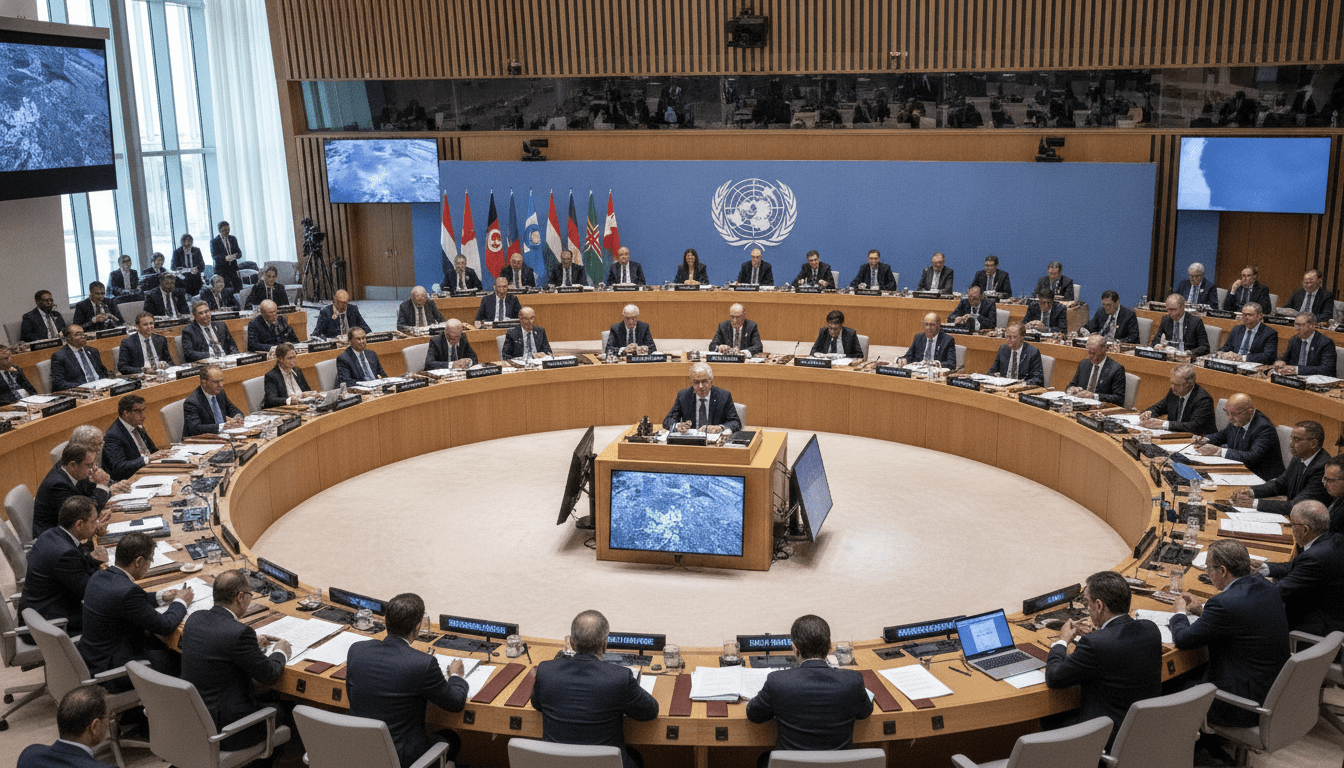
The United Nations Human Rights Council will hold an urgent debate in Geneva to address the deteriorating human rights situation in and around el-Obeid, North Kordofan. The session was scheduled after a formal request by a core group of states and comes amid warnings that roughly 500,000 civilians are at risk of large-scale atrocities in the area.
Council members are expected to hear briefings from UN officials, humanitarian agencies and member states before debating a draft resolution prepared by the requesting countries. The debate aims to clarify the scale of the threat and to set out measures the international community may take to protect civilians and facilitate humanitarian access.
Core group of states files formal request for debate
Germany, Ireland, the Netherlands, Norway and the United Kingdom jointly submitted the request that prompted the emergency debate at the Human Rights Council. In their appeal, the group cited rapidly rising violence around el-Obeid and called for immediate international attention to prevent further civilian suffering.
The five states signalled their intention to table a draft resolution after the debate, seeking action by the Council on monitoring, accountability and humanitarian access. Diplomats said the move reflects mounting concern in Europe and among other members about the risk of mass violations and the urgent need for an international response.
500,000 civilians said to be at risk in and around el-Obeid
The core group’s filing warned that approximately half a million people near el-Obeid face the prospect of being targeted in large-scale atrocities if hostilities escalate. International observers and humanitarian agencies have increasingly raised the alarm about the concentration of civilians in urban and peri-urban areas exposed to armed confrontations.
Those warnings underscore a broader pattern of violence that aid organizations say could produce significant civilian casualties, forced displacement and long-term disruption of essential services. The scale of the population at risk has sharpened calls for additional protective measures and urgent delivery of supplies.
Reports of drone strikes and breakdown of essential services
Recent reports cited by the requesting states and humanitarian sources point to increasing use of drone strikes that have damaged civilian infrastructure around el-Obeid. The strikes have reportedly led to severe shortages of fuel and water, while residents in some neighbourhoods describe conditions resembling a siege.
Aid workers have warned that fuel shortages undermine water pumping and distribution, hindering sanitation and increasing the risk of disease outbreaks. The combination of aerial attacks and constrained ground access has complicated relief operations and left thousands cut off from basic services.
Detentions and attacks on medical personnel in el-Fasher
Separate but related developments in North Darfur have heightened concern, with the Sudan Doctors Network reporting that fighters detained medical staff after the fall of el-Fasher. The network said 20 doctors, including four women, were detained when Rapid Support Forces overran the city, and their whereabouts remain unknown.
The independent medical group also reported that health workers in North Darfur had been widely targeted since the outbreak of fighting in April 2023, and that at least 25 medical personnel were killed during those hostilities. Medical and humanitarian actors have called for the immediate release of detainees and for guarantees that healthcare workers can operate without threat.
Humanitarian crisis deepens: displacement and hunger
Sudan’s conflict, now in its fourth year, has produced a catastrophic humanitarian emergency, with tens of thousands killed and more than 12 million people displaced according to UN estimates. The fighting has also contributed to widespread food insecurity and what UN agencies have described as the world’s worst displacement and hunger crisis.
Recent months have seen intensified clashes in the Kordofan region and in Blue Nile state near the Ethiopian border, amplifying the flow of internally displaced people and straining the capacity of humanitarian actors. The fall of key towns and shifts in front lines have increased the urgency of securing safe corridors for civilians and relief deliveries.
Diplomatic responses and possible Council measures
Diplomats at the Human Rights Council signalled that possible measures under consideration include enhanced monitoring and reporting, calls for unimpeded humanitarian access and measures to strengthen accountability for violations. Council members may also seek to coordinate with UN human rights mechanisms and the wider UN system to track abuses and gather evidence.
Some states are likely to press for language that urges all parties to respect international humanitarian law and to cease attacks on civilians and civilian infrastructure. Observers say the success of any resolution will hinge on the Council’s ability to secure consensus or a broad majority among member states.
The emergency debate in Geneva reflects growing international alarm over the situation in and around el-Obeid and the broader humanitarian consequences of continued fighting in Sudan. As diplomats deliberate, aid organizations and medical networks continue to press for immediate actions to protect civilians, restore services and allow life-saving assistance to reach those trapped by the conflict.
