
U.S. Lifts Export License Requirement on Anthropic Mythos; Company to Restore Access July 1
U.S. Commerce reverses export restriction on Anthropic Mythos and Fable, allowing the AI lab to begin restoring public access while agreeing to new oversight commitments.
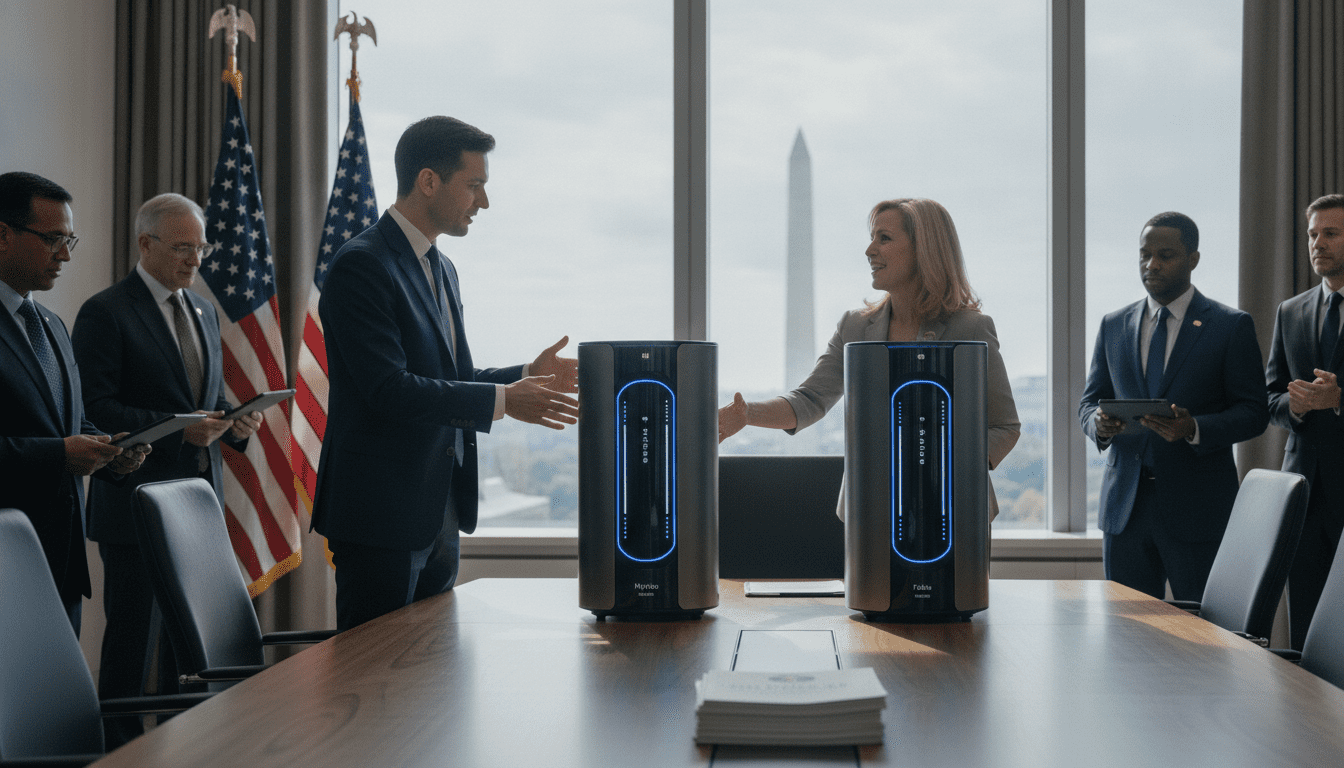
Anthropic said it will begin restoring access to its Mythos and Fable models on Wednesday, July 1, after the U.S. Commerce Department removed a rule that had required the company to secure export licenses for the systems.
The decision follows weeks of talks between the company and government officials and ends a suspension of public availability that began when the models were added to an export-restricted list on June 12.
U.S. Removes Export License Requirement
The Commerce Department rescinded the specific license requirement that had prevented Anthropic from making Mythos and Fable available internationally.
That restriction, put in place on June 12, effectively forced the firm to halt public access because securing approvals for foreign users was impractical at scale.
Anthropic to Restore Access on July 1
Anthropic announced it will begin re-enabling access to the models on July 1 for users who meet new conditions.
The company said the phased restoration will prioritize previously vetted customers and follow protocols agreed with U.S. authorities to manage security risks.
Commerce Secretary Sets Security Conditions
Commerce Secretary Howard Lutnick said Anthropic has agreed to proactively detect and address security risks associated with Mythos and Fable.
Lutnick added that Anthropic will work with the U.S. government on protocols and standards for releases and will notify authorities of any malicious activity tied to the models.
Why Public Access Was Cut Off
The export restriction aimed to limit foreign access to systems judged to be among the most capable AI models released to date.
Officials said the measure was intended to prevent misuse, but Anthropic and outside experts argued the licensing requirement could not be implemented at the scale required and effectively shut off legitimate public access.
Technical and Safety Differences Between Mythos and Fable
Mythos was initially distributed to a limited set of partner organizations in April to allow for controlled testing of its capabilities, including security assessments.
Fable, introduced in June, was positioned as a public-facing variant with additional guardrails designed to reduce the risk of misuse while preserving broad utility.
Global Competition Influenced Policy Shift
Pressure from rapid developments among Asian AI firms, which have released models with capabilities approaching Mythos, factored into U.S. decisions.
Officials worried that strict export controls could put American labs at a competitive disadvantage as rivals in Asia introduced systems such as Fugu and Tulongfeng.
White House Approval and Parallel Slow Releases
Last week the Commerce Department allowed Mythos to be distributed to a selected set of customers approved by the White House, aligning policy more closely with controlled releases for other major U.S. labs.
OpenAI’s recent model rollouts followed a similar path, with access limited to vetted organizations as policymakers and companies negotiated safety measures.
Industry Reaction and Policy Uncertainty
The episode highlighted tensions between national-security concerns and commercial innovation, and it drew criticism that policy moves were uneven and politically charged.
Analysts and executives across the sector have called for clearer, more consistent rules to govern future model releases, arguing that ad hoc restrictions create uncertainty for developers and users alike.
The Commerce Department and Anthropic framed the new arrangement as a compromise that balances safety oversight with the practicalities of global distribution.
As access is restored, attention will turn to how the agreed protocols are implemented and whether the framework will serve as a model for future U.S. oversight of advanced AI systems.
