
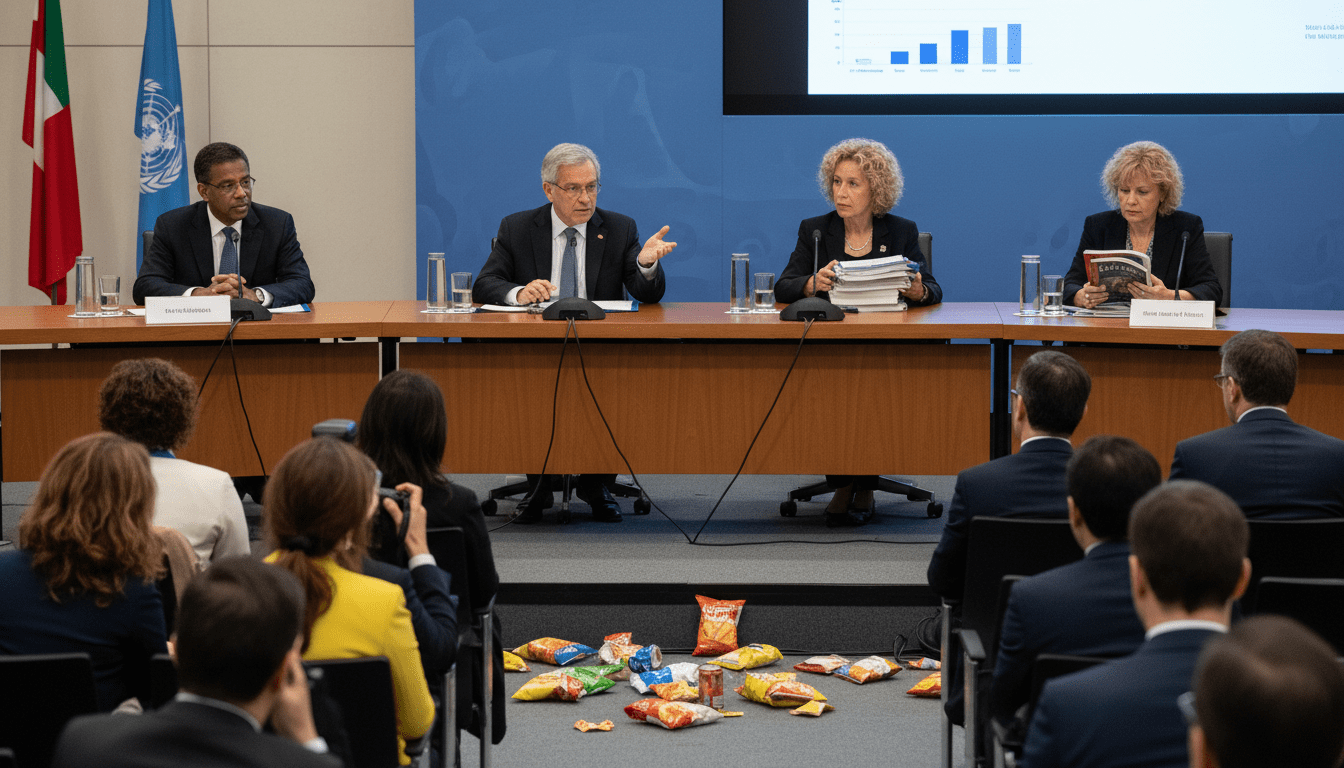
Lancet Series Warns Ultra-Processed Foods Are Reshaping Global Diets and Driving Chronic Disease
A Lancet three-paper Series warns ultra-processed foods are displacing fresh diets globally, linking UPFs to chronic disease and urging urgent policy action.
The Lancet today published a landmark three-paper Series by an international group of experts that concludes ultra-processed foods are rapidly supplanting traditional diets and contributing to a rise in chronic illnesses worldwide. The report, compiled by researchers across continents and backed by Bloomberg Philanthropies funding, says the science linking UPF consumption to poorer diet quality and multiple health risks is robust enough to demand immediate public health responses. Authors call for coordinated policy measures rather than leaving change solely to individual behavior.
Lancet Series Flags Global Surge in Ultra-Processed Foods
The Series documents how branded, industrially formulated products have become a dominant feature of modern food systems, replacing fresh and minimally processed items in many countries. Researchers trace the spread of these products to changes in production, distribution, and aggressive marketing that have made UPFs widely available and affordable.
Lead analysts emphasize that the rise in UPF consumption is not a neutral market evolution but a systematic shift driven by commercial strategies that prioritize profit over nutrition. They warn that allowing this trend to continue unchecked will lock in dietary patterns linked to poorer health for decades.
Evidence Links UPFs to Multiple Chronic Diseases
The review of global evidence finds consistent associations between high UPF intake and a range of chronic conditions, including obesity, type 2 diabetes, cardiovascular disease, mental health disorders and premature mortality. A systematic synthesis cited in the Series examined dozens of long-term studies and found the majority reported higher disease risks with greater UPF consumption.
While the authors acknowledge continuing scientific debate about classification and mechanisms, they argue that remaining uncertainties should not delay policy action. They call attention to the convergence of epidemiological, mechanistic and population-level data that together strengthen the case for intervention.
Consumption Patterns Rise Across Diverse Countries
National dietary surveys highlighted in the Series show marked increases in UPF-derived calories across varied settings. The proportion of energy from UPFs has climbed sharply in countries such as Spain, China, Mexico and Brazil, while the United States and United Kingdom have long recorded levels above half of total energy intake. These shifts reflect both changing availability and evolving consumer habits.
Experts note the pace and extent of the rise differ by region, influenced by local food environments, policy histories and cultural eating practices. Nonetheless, the upward trajectory is clear and broadly synchronous with worsening diet quality indicators and escalating non-communicable disease burdens.
Policy Proposals: Labels, Taxes and Marketing Restrictions
To counter the trend, the Series lays out a suite of policy options designed to curb production, marketing and accessibility of UPFs while bolstering fresh food systems. Recommendations include adding markers of ultra-processing to front-of-package labelling, tightening advertising limits—especially for children and digital channels—and exploring fiscal measures that tax selected UPFs and subsidize healthier choices.
The authors also urge governments to ban or restrict UPFs in public institutions such as schools and hospitals and to consider shelf-space rules in retail outlets. They stress that successful measures will need to be adapted to national contexts and paired with investments to expand access to affordable, minimally processed foods.
Corporate Profits and Political Influence Behind UPF Expansion
The Series underscores that the expansion of ultra-processed foods has been propelled by highly profitable corporate business models that rely on inexpensive ingredients, scale economies and intensive marketing. With annual sales in the sector measured in the trillions and large shareholder payouts documented, researchers argue corporate incentives are aligned to maintain and grow UPF markets.
The papers document how industry actors use lobbying, litigation, affiliated research funding and public relations to influence policy debates and delay regulation. Authors warn that this political influence is a central barrier to meaningful food-system reform and that protecting policy spaces from commercial interests should be a priority.
Global Call for Coordinated Public Health Action
Researchers compare the needed response to past public health movements, arguing for a coordinated, international effort to shield policymaking from industry interference and to build alliances that elevate local food producers and traditional diets. They call for stronger networks of civil society, public health bodies and governments to advocate for healthier, more equitable food systems.
The Series emphasizes that policy alone is not enough; measures must be paired with social supports that make fresh, minimally processed foods accessible and practical for busy families and low-income households. The authors assert that only integrated action across regulation, community provision and economic policy can shift consumption patterns at scale.
The Lancet Series on ultra-processed foods presents a clear choice for policymakers: accept a future in which corporate-driven products dominate diets and chronic disease burdens rise, or enact regulations and investments that restore priority to nutrition, sustainability and community wellbeing.
