
Turmeric Shots: Benefits, Risks and How to Use the Concentrated Elixir Safely
Turmeric shots offer anti-inflammatory, immune and cognitive benefits, but experts warn about dosage, drug interactions and rare digestive or liver risks.
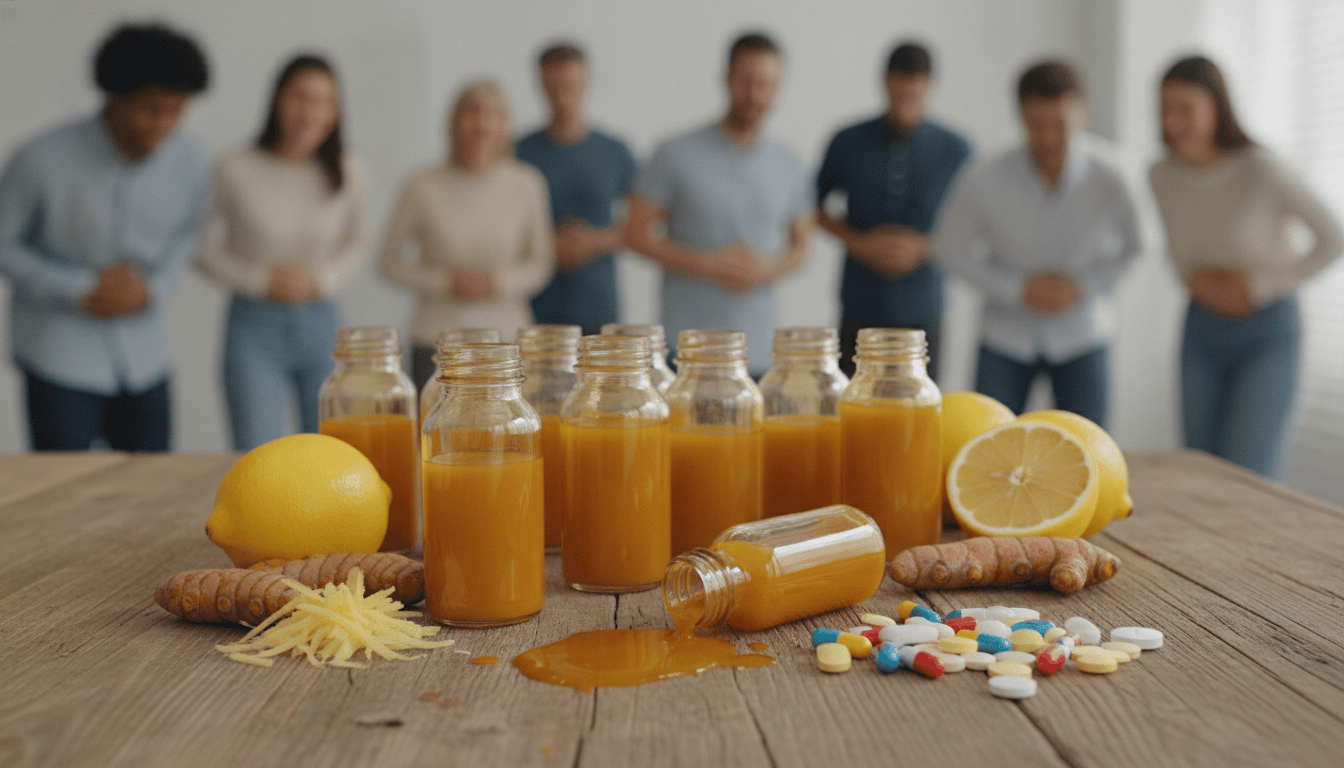
Turmeric shots — small, concentrated drinks made from fresh or powdered turmeric root — have become a popular wellness staple for people seeking quick anti-inflammatory benefits. The trend emphasizes convenience: a single 60‑milliliter shot typically combines turmeric with complementary ingredients such as ginger, lemon, carrot and a pinch of black pepper. Proponents say these shots deliver curcumin, the compound linked to reduced inflammation and antioxidant support, though the effectiveness depends on formulation and dose.
Turmeric Shots and Anti-Inflammatory Evidence
Curcumin, the primary active component in turmeric, has been associated in clinical research with reduced markers of inflammation and relief from certain types of pain. That biochemical action underpins many claims about turmeric shots and their potential to help conditions driven by inflammation. Consumers should note that most robust evidence comes from studies using concentrated curcumin extracts over extended periods, not from single daily beverages.
Black pepper and fat are commonly added to improve curcumin’s absorption, which is otherwise limited when turmeric is consumed alone. Piperine, the active compound in black pepper, can significantly enhance curcumin uptake in the body, while a small amount of dietary fat also helps solubilize curcumin for better absorption. Recipes that omit these enhancers may deliver less of the active compound than consumers expect.
Ingredients and Typical Recipes
Commercial and homemade turmeric shots vary widely in composition, with fresh turmeric root or turmeric powder as the base ingredient. Common additions include ginger for digestive benefit, citrus like lemon or orange for vitamin C and flavor, and carrot for sweetness and micronutrients. Black pepper is frequently included in small amounts specifically to increase curcumin absorption, while some recipes use a splash of coconut oil or other healthy fats for the same reason.
Many retailers market a 60‑milliliter shot as a convenient daily dose, but concentrations of turmeric and curcumin differ by product. Powder-based shots and concentrates may have a higher curcumin content than juice blends, and consumers should read ingredient lists and serving sizes to understand what they are ingesting. Homemade shots offer control over ingredients but also carry the risk of inconsistent dosing if recipes are not standardized.
Mood, Memory and Athletic Recovery Research
Longitudinal studies of curcumin supplements suggest potential cognitive and mood benefits, including improvements in attention, memory and subjective well‑being for some individuals. Researchers hypothesize that curcumin’s anti‑inflammatory and antioxidant effects may influence brain function over time, but definitive clinical recommendations require more large‑scale trials. A single turmeric shot is unlikely to produce immediate cognitive changes; any benefit is more likely to emerge with consistent, longer‑term use.
Athletes and active individuals often use turmeric or curcumin to help reduce post‑exercise muscle soreness and support recovery. Several trials report modest reductions in delayed onset muscle soreness and quicker return to function after intense workouts when curcumin is used as part of a recovery regimen. As with cognitive outcomes, the protective effects in sports settings are generally observed with standardized curcumin preparations and regular dosing rather than occasional intake.
Safety, Dosage and Known Side Effects
For most healthy adults, one 60‑milliliter turmeric shot per day is considered safe, but consuming excessive amounts of turmeric or curcumin can cause adverse effects. Intakes above roughly 8 grams per day have been associated with gastrointestinal upset such as nausea, stomach pain, acid reflux and, in rare cases, vomiting. Very high doses of concentrated turmeric products have also been linked in case reports to liver injury, prompting caution with prolonged or heavy use.
Turmeric can inhibit iron absorption, a consideration for people with iron‑deficiency anemia, and it may interact with several classes of medications. Those taking blood thinners such as warfarin or direct oral anticoagulants, blood sugar medications including insulin and some oral hypoglycemics, blood pressure drugs, certain acid‑reducing agents, and some chemotherapy agents should consult a healthcare provider before using turmeric shots regularly. Users who notice symptoms suggestive of liver problems — jaundice, dark urine, persistent fatigue or abdominal pain — should stop use and seek medical advice promptly.
Practical Guidance for Consumers
Start with a low dose and monitor how your body responds before making a daily turmeric shot part of your routine. If absorption is a concern, choose products or recipes that include black pepper or a small amount of fat, or consider standardized curcumin supplements discussed with a clinician for therapeutic purposes. People with chronic health conditions, those on prescription medications, pregnant or breastfeeding individuals, and anyone with existing liver or iron‑related issues should get medical clearance before regular use.
When buying ready‑made shots, check ingredient lists, serving sizes and curcumin content where available, and be cautious of products making sweeping disease‑treatment claims. Homemade preparations can be economical and fresher, but they require consistent recipes to ensure safe dosing. Keep turmeric products out of reach of children and store them according to manufacturer instructions to maintain potency.
Turmeric shots can be a practical way to add turmeric to the diet, but they are not a cure‑all and should be used thoughtfully. Regular users should balance potential benefits against known risks, seek medical advice when in doubt, and treat turmeric shots as one component of an overall healthy lifestyle rather than a substitute for medical care.
