
Thessaloniki’s boom: metro expansion, port upgrades and a growing investment hub amid persistent regional inequality
Thessaloniki’s construction surge and new investments—from metro expansion and port upgrades to a giant solar cluster—boost growth, but economic gains remain uneven.
Thessaloniki is undergoing a visible transformation as major infrastructure projects and corporate relocations reshape the northern Greek metropolis. The city’s driverless metro shut briefly for line extensions even after a long wait for modern rapid transit, while port and road works aim to accommodate larger trade flows. Despite the flurry of activity and new jobs, local leaders and business owners warn that the upswing has not translated into broadly shared prosperity across the region.
Construction and Transit Overhaul
The city center has become a construction zone, with new tram and subway works proceeding alongside road expansions intended to relieve chronic congestion. Authorities temporarily closed the recently inaugurated driverless metro for additional line work, a measure officials say will improve network capacity and connectivity once completed.
For many Thessaloniki residents the pause is familiar: the metro system itself was decades in the making and required prolonged patience from commuters. City planners are also elevating the ring road and upgrading urban axes to handle increased freight and commuter traffic from neighboring Balkan states.
Port Expansion and Regional Logistics
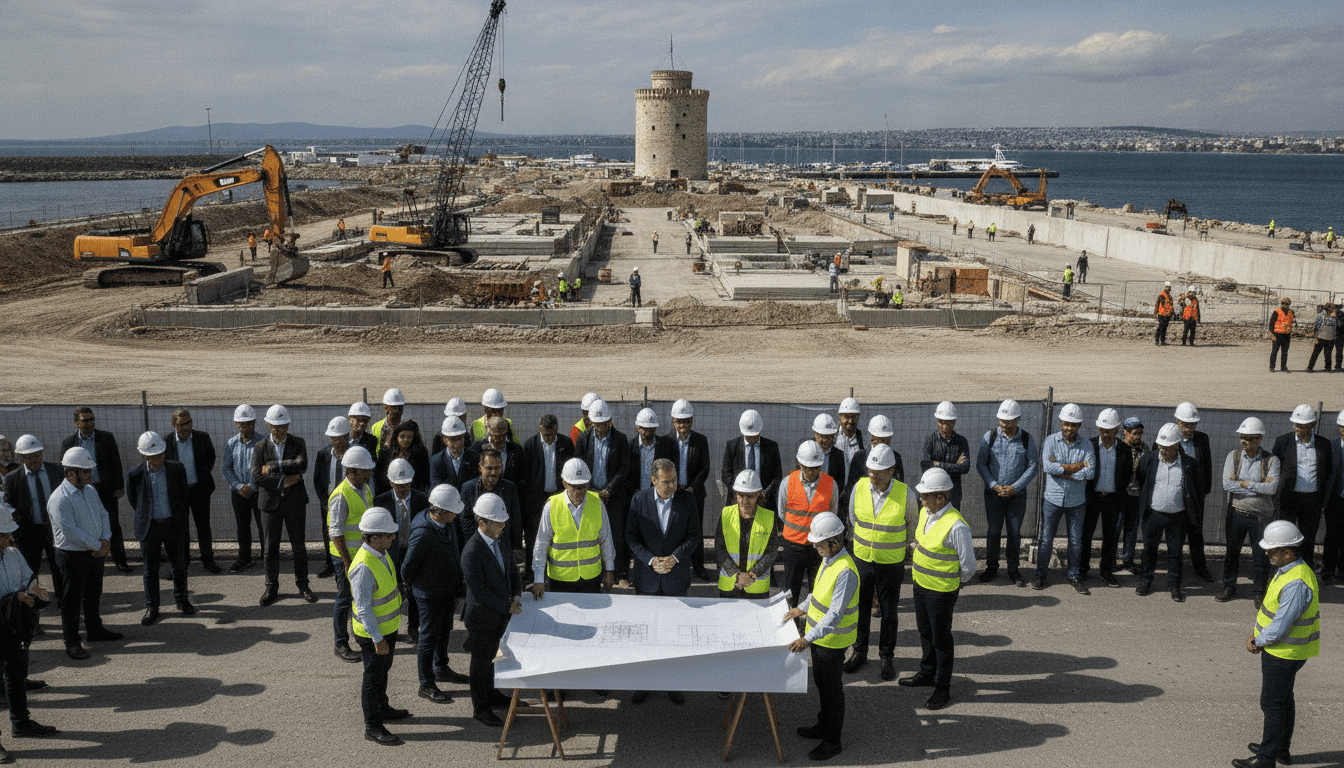
Thessaloniki’s port is receiving a new deepwater pier designed to welcome larger container vessels, a move expected to strengthen the city’s role as a northern Greek logistics hub. Officials plan rail links between the port and the interior to speed cargo movement toward Central and Eastern Europe.
Local business groups argue that improved maritime capacity could attract more direct shipping calls and warehouse investment, but they stress that complementary rail and road links must keep pace to fully unlock the port’s potential.
Foreign Investment and Corporate Moves
Global technology and service firms have chosen Thessaloniki as a regional base in recent years, citing its talent pool and strategic position near Turkey and the Balkans. Companies such as multinational consultancies and telecom software units relocated operations or expanded local offices following geopolitical upheavals and market shifts.
At the same time some international operators have scaled back or restructured local operations: a low-cost carrier recently closed its base at the regional airport amid a fee dispute, and logistics services moved customs activities to Athens. These mixed corporate movements underline both opportunity and competition for the city.
Local Industry Expansion and Talent Supply
Homegrown manufacturers and banks report notable growth, with several firms increasing turnover and headcount over the past half-decade. A regional builder and materials company, for example, has expanded production and sales across the Balkans while maintaining its headquarters near Thessaloniki.
Universities provide a steady stream of graduates, supplying IT and engineering talent that has supported emerging tech clusters in nearby cities. Entrepreneurs and international firms alike point to the local labor market and technical schools as reasons for investment decisions in northern Greece.
Regional Inequality and Calls for Decentralization
Despite visible projects, local leaders say investment remains heavily concentrated in Athens and its surrounding Attica region, which captures a disproportionate share of national output and public funding. Economic data cited by regional stakeholders show Attica accounting for a large slice of Greece’s GDP and export activity, leaving Thessaloniki and Central Macedonia to compete for a smaller portion of resources.
Business owners and chamber representatives are increasingly vocal about the need for devolved decision-making and more direct regional investment. They argue that allowing local authorities greater control over funds and planning would accelerate projects tailored to northern Greece’s economic profile.
Energy Transition and Mega-Projects
The region has attracted major energy investments, including the repurposing of former lignite fields into large-scale solar farms. A joint venture between a European utility and a Greek state energy company has installed more than a million solar panels, targeting nearly a gigawatt of capacity and signaling a shift toward renewable generation.
While developers highlight the cluster’s role in decarbonization and local employment, residents and municipalities watch implementation closely for promised grid upgrades and procurement of local services.
Connectivity and safety remain daily concerns for business and residents alike. Rail service to Athens has yet to fully recover after a tragic accident in early 2023, leaving only limited direct trains and long journey times on a corridor that once supported more frequent connections. The constrained rail timetable affects commuter patterns and complicates efforts to bind Thessaloniki more tightly to the capital’s markets.
Thessaloniki today stands at a crossroads: visible investments and major infrastructure works are changing the skyline and strengthening regional logistics and energy capacity, but translating those projects into widespread economic improvement will require sustained local authority, better transport links and policies that spread benefits beyond a handful of firms and neighborhoods.
