
Texas Board Approves Mandatory Bible Passages in Public School Reading Lists
Texas will require Bible passages in public school reading lists, sparking debate over church-state separation and classroom control.
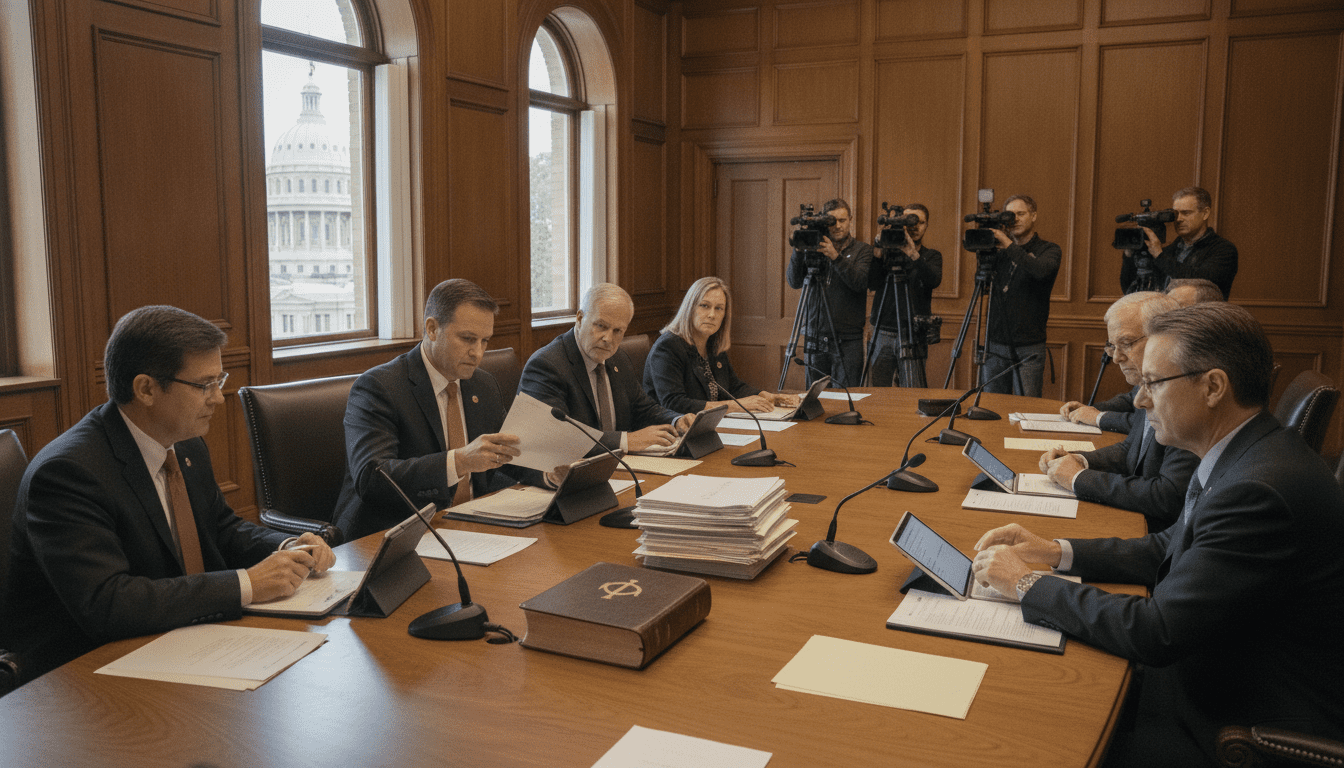
The Republican-controlled Texas State Board of Education on Friday, June 26, 2026, approved a new mandatory reading list that includes selected Bible passages alongside classic literature for more than five million public school students. The decision requires “Bible passages in Texas schools” to be taught as part of required reading, beginning with picture-book retellings for young children and moving to New Testament excerpts in later grades. The move comes as a suite of recent state policies has sharpened conflicts over religion and public education across Texas.
Texas Board Approves Required Reading List
The board voted to adopt a standardized list of required texts that applies statewide to all public schools. Officials said the list is intended to ensure a common reading curriculum and to restore certain historical and cultural materials into classrooms.
Board members who backed the measure argued that a uniform reading list will provide clarity to districts and elevate certain foundational stories. Opponents said the mandate removes local discretion from school districts and individual teachers over classroom materials.
Bible Passages Selected from New Testament and Job
The approved list names specific biblical stories and passages as required reading at various grade levels, including narratives such as David and Goliath and Daniel in the lions’ den. Officials also included selections from the New Testament and passages from the Book of Job to appear in upper elementary grades and beyond.
State materials circulated to districts indicate younger students will encounter illustrated retellings of these narratives, while older pupils will read textual excerpts. Supporters describe these inclusions as literary and historical texts, while critics warn their religious content complicates public education’s secular mandate.
Phased Rollout Begins in 2030 for Elementary Grades
Implementation of the new reading list is scheduled to be phased in over several years, with an initial start date set for 2030 for elementary-grade students. Under the timeline, picture-book adaptations will be introduced to early grades first, with more advanced biblical passages slated for later grades as cohorts advance.
School districts will be expected to align local curriculum plans with the statewide list during the transition period. The phased schedule is intended to give educators and administrators time to adapt lesson plans and acquire approved instructional materials.
Supporters Cite American Christian Heritage as Justification
Proponents of the policy argued the United States has a long Christian cultural heritage and that those traditions belong in public education. Brandon Hall, a board member, framed the decision in these terms, saying it reflects the historic role of Christian narratives in American life.
Advocates said introducing children to biblical stories will contribute to cultural literacy and moral conversation in schools. They also said the selections have literary and historical value independent of religious doctrine.
Critics Argue the Policy Violates Church-State Separation and Local Control
Opponents — including civil liberties groups, some educators, and parents — condemned the policy as a breach of the constitutional separation between church and state. Critics contend that mandating Bible passages limits teachers’ professional judgment and imposes religious content on students in a public setting.
Some education officials warned that the measure could marginalize non-Christian students and families, complicate classroom dynamics, and prompt legal challenges. Observers also noted a related state law from the prior year required a framed display of the Ten Commandments in every classroom, heightening concerns about the increasing presence of explicitly religious material in public schools.
Legal Battles and Practical Classroom Questions Loom
Legal analysts expect the policy to face court scrutiny on Establishment Clause grounds, with civil rights organizations likely to weigh challenges that claim the requirement advances religion. Any litigation could focus on whether the mandated readings are presented in a neutral, academic way or whether they amount to religious endorsement by the state.
Beyond constitutional questions, administrators must decide how to implement readings without violating student rights or marginalizing diverse beliefs. Questions remain about how schools will present biblical texts in comparative, historical, or literary contexts and whether alternative readings will be provided for families who object.
Education policy experts say the coming months will be critical for shaping guidance to districts, training teachers on curricular framing, and clarifying whether exemptions or opt-outs will be permitted. The policy’s phased timeline may slow immediate disruption but will not eliminate legal and public controversy.
The state board’s decision marks a significant shift in Texas education policy by embedding specific religious texts into required classroom reading, raising both constitutional and practical issues that are likely to play out in school districts and courtrooms in the years ahead.
