
Tai Chi Health Benefits Take Center Stage as World Tai Chi Day Nears
World Tai Chi Day on April 27, 2026 highlights Tai Chi health benefits, with experts pointing to improved balance, reduced falls, stronger immunity, lower stress and better sleep.
World Tai Chi Day is set for April 27, 2026, and health researchers, instructors and community organizers are using the occasion to spotlight Tai Chi health benefits. The practice, long described as a form of “meditation in motion,” is drawing renewed attention for measurable effects on balance, immunity, mood and sleep. Public demonstrations and local classes are expected to increase interest across age groups ahead of the date.
World Tai Chi Day Draws Global Demonstrations
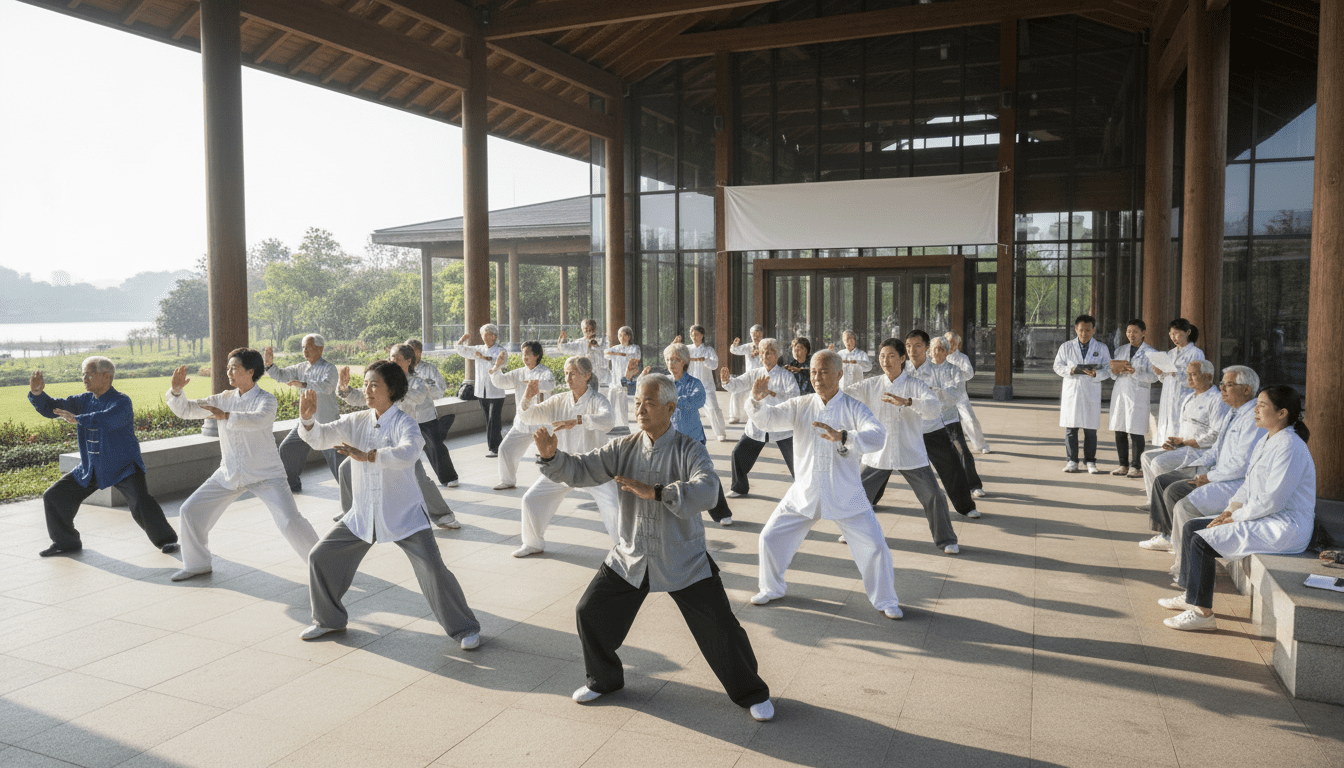
Many communities stage coordinated events for World Tai Chi Day, with group demonstrations that range from basic forms to weapon and fan routines. These gatherings serve both as cultural celebrations and outreach opportunities to introduce newcomers to the practice. Organizers say the visibility helps recruit participants into classes that prioritize health and fall prevention.
Researchers Describe Tai Chi as Therapeutic Movement
Medical commentators and health publications have characterized Tai Chi as “medication in motion” because of its combination of slow, deliberate movement, breath control and mental focus. Review studies and clinical trials have linked regular practice to reductions in stress hormones and improvements in markers of cardiovascular and mental health. Clinicians increasingly recommend Tai Chi as a low-impact complementary option for patients who need gentle, consistent exercise.
Styles and Accessibility Shape Who Practices
Tai Chi is not a single set of movements; several major styles exist and they vary in intensity and stance. Yang style is widely taught and emphasizes smooth, flowing movements suitable for beginners, while Chen style includes more vigorous techniques that demand greater leg and core strength. Sun, Wu and Hao styles offer higher stances and compact movements that many seniors find easier to manage. Instructors often adapt forms to meet the physical capabilities of different students, making the practice broadly accessible.
Certified Programs Address Specific Conditions
Specialized programs have been developed to tailor Tai Chi practice to particular health concerns, and many instructors receive certification to teach condition-focused classes. Programs targeting arthritis, fall prevention, back pain, osteoporosis and diabetes are now widely available and are often taught in community centers and through health organizations. Health authorities and patient advocacy groups have at times endorsed these courses as suitable adjuncts to conventional medical care.
Clinical Trials Report Fewer Falls and Better Sleep
A number of clinical studies have documented concrete outcomes from regular Tai Chi practice, particularly among older adults. Trials measuring balance and fall incidence have shown that participants who practiced Tai Chi several times a week experienced fewer falls than controls performing other routines. Other research has linked Tai Chi to improvements in sleep quality and reductions in anxiety, outcomes that clinicians say can have downstream benefits for chronic disease management and overall well-being.
Physiological Effects Extend to Immunity and Stress Reduction
Investigations into the physiological mechanisms behind Tai Chi benefits point to changes in brain and immune system function. Electrophysiological studies note shifts in brain wave patterns and reductions in stress-related measures such as heart rate and blood pressure during and after practice. Separate trials tracking antibody responses found enhanced immune markers in participants who practiced Tai Chi over several weeks, suggesting the exercise may bolster vaccine responses and resistance to certain infections.
How to Find Classes and Start Safely
Prospective participants can locate Tai Chi classes at community centers, YMCAs, senior facilities and martial arts schools, and many instructors now offer online sessions. When choosing a class, beginners are advised to seek instructors who emphasize slow, foundational forms and who can modify movements for existing medical conditions. Starting with short, regular sessions and communicating with healthcare providers about any limitations can help new practitioners gain benefits while minimizing risk.
Tai Chi health benefits are both broad and evidence-informed, and World Tai Chi Day on April 27, 2026 offers a timely moment for individuals and communities to explore the practice. For many people, Tai Chi provides an accessible way to improve balance, reduce stress and support sleep and immune function, and local events this spring will make it easier to try these gentle, structured movements in a supervised setting.
