
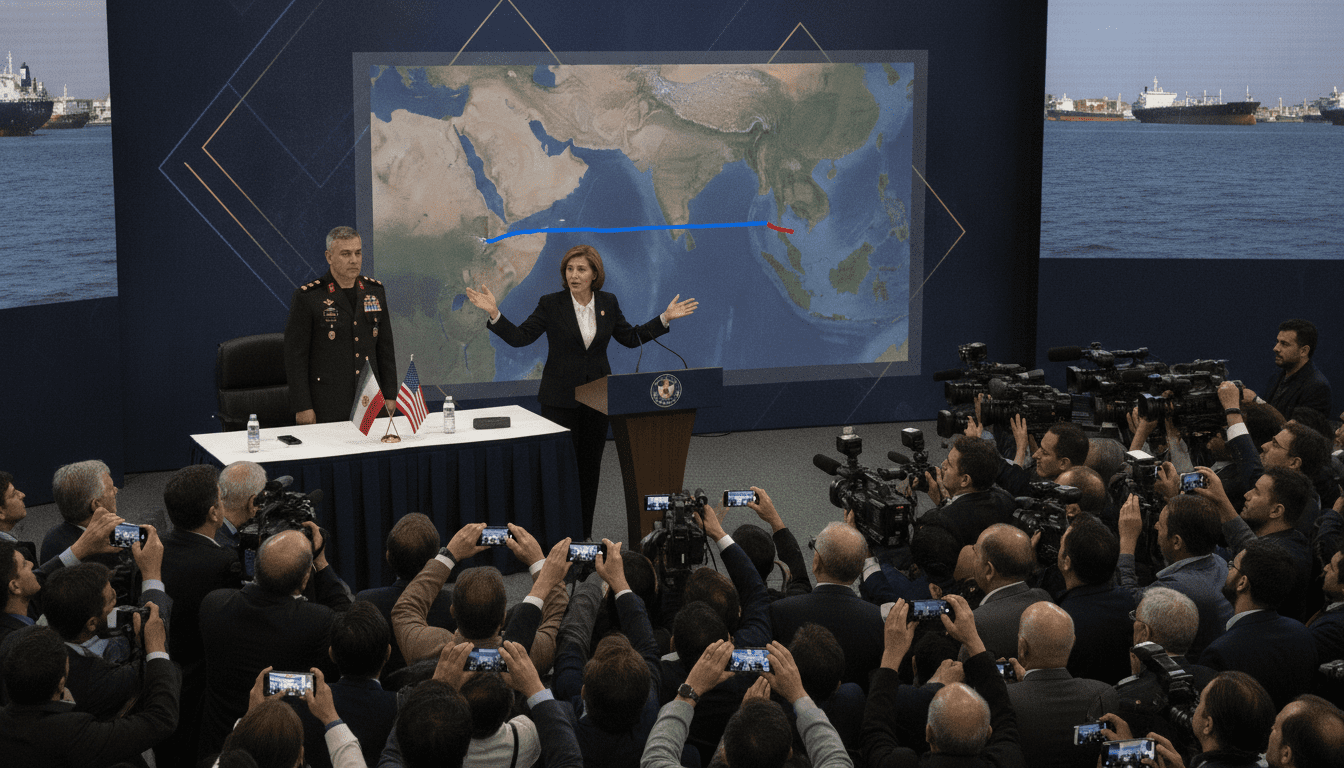
Strait of Hormuz to Reopen After U.S.-Iran Framework; Oil Markets and Global Trade Brace
U.S. and Iran have agreed to a framework to reopen the Strait of Hormuz, aiming to end a months-long blockade that spiked oil prices and disrupted global shipping.
The United States and Iran announced a 14-point framework that, if finalized, would lift the effective blockade of the Strait of Hormuz and ease immediate pressure on oil and gas supplies. Former President Donald Trump publicly celebrated the accord on his social platform, and officials said the parties plan to sign a formal agreement on Friday, June 19, 2026. Market participants and policymakers reacted cautiously but with relief, while analysts warned that the economic benefits will unfold only gradually.
U.S.-Iran Framework and the Friday Signing
The framework reportedly contains measures intended to restore unimpeded passage through the Strait of Hormuz and to de-escalate military tensions in the Gulf. U.S. and Iranian spokespeople described an outline of terms reached after months of negotiation, and both sides set a signing date of Friday, June 19, 2026 for a formal framework agreement. The pact is said to include a 60-day ceasefire provision, a timeline that many analysts view as an interim step rather than a comprehensive settlement.
Immediate Market Reaction and Oil Price Outlook
Global oil and gas markets reacted to the news with tentative optimism, reflecting the potential return of supply flow through a strategic chokepoint that has constrained roughly 15 percent of world production. Commodity strategists noted that while the announcement reduced near-term risk premia, structural supply damage and inventory draws mean prices are unlikely to snap back to pre-crisis levels overnight. Several forecasters expect a gradual easing of prices through 2027 as disabled production and logistical bottlenecks are repaired.
Implications for Germany’s Economy and Policy
German officials described the development as a potential relief for inflationary pressures driven by elevated fuel costs, but they stopped short of predicting a swift economic turnaround. Chancellor Friedrich Merz signaled cautious optimism ahead of the G7 summit, while the Finance Ministry reiterated that national growth forecasts remain fragile after recent downgrades. Economists are split: some see modest upside to growth in 2026 if energy costs fall, while others warn the damage to industrial supply chains and consumer confidence may blunt any near-term recovery.
Operational Hurdles to Restoring Shipping Lanes
Reopening the Strait of Hormuz will require clearing mines, repairing damaged infrastructure and restarting production at facilities hit during the conflict, a process that could take months to years. Energy firms and port operators have estimated that thousands of oil wells and liquefied natural gas installations must be brought back online, and repair timelines vary widely by country. Shipowners have already positioned tankers near the chokepoint in anticipation of reopening, but the movement of vessels and the reallocation of global cargoes will be phased and complex.
Contentious Issue of Transit Fees and Legal Questions
A new flashpoint emerged when Iranian state media reported that Tehran plans to assert sovereignty claims and impose transit fees after an initial 60-day transition period. Such charges would raise questions under customary international maritime law and risk reintroducing cost pressures on shipping and trade. European leaders, including the president of the European Commission, demanded that freedom of navigation be restored without charges, warning that any fee regime would harm regional stability and global supply chains.
The announced 60-day ceasefire also underscores the fragility of the arrangement: the limited timeframe raises the prospect of renewed hostilities if broader issues, notably Iran’s nuclear program, are not resolved. U.S. officials reiterated contingency measures should the interim agreement fail to address those deeper security concerns.
The optics of the deal were complicated by mixed messaging from political leaders. U.S. statements of support were tempered by reminders of unresolved grievances, and Iranian changes to the draft agreement prompted concern in capitals across Europe and Asia. Analysts stressed that even if the Strait is formally reopened on June 19, 2026, full normalization of trade flows, repairs to energy infrastructure and reductions in global inventories will proceed unevenly and could take many months.
The reopening of the Strait of Hormuz is a significant diplomatic milestone that could relieve immediate supply risks and ease pressure on consumers and businesses worldwide. However, experts caution that the economic and security dividends will depend on implementation details, the removal of remaining legal and operational barriers, and whether the interim ceasefire can be extended into a durable settlement.
