
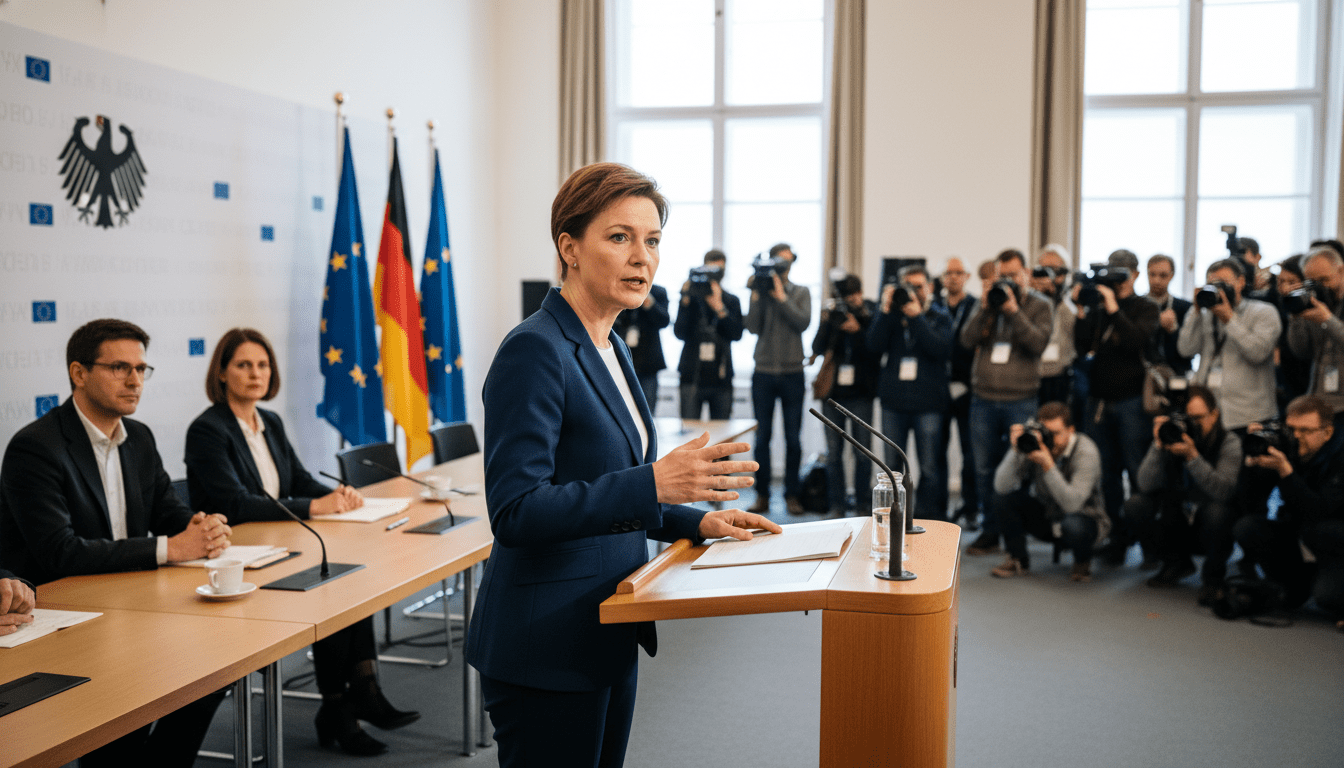
German care reform debate intensifies as CDU’s Albert Stegemann urges earlier child contributions to parents’ care costs
CDU deputy Albert Stegemann proposes lowering the income threshold so adult children contribute to parents’ long-term care, intensifying Germany’s care reform debate.
Germany’s care reform has been thrust back into the spotlight after Albert Stegemann, deputy parliamentary leader of the CDU/CSU group, called for adult children to be required to contribute to the long-term care costs of their parents at a lower income level. Stegemann told the Neue Osnabrücker Zeitung that the current threshold for child contributions — set in 2020 at an annual gross income of €100,000 — should be reduced to ease pressure on care insurance finances. His intervention follows earlier comments advocating use of private assets, including home equity, in covering nursing home bills.
Stegemann proposes lowering income threshold for child contributions
Stegemann framed the proposal as a response to mounting deficits in the nursing care insurance system and rising premiums for all policyholders. He described the €100,000 threshold as effectively arbitrary when it was introduced and argued that earlier family contribution would help stabilise the system without immediately increasing payroll levies. The CDU politician pointed to actuarial projections and warned of higher contribution rates if no measures are taken.
The deputy parliamentary leader also cautioned that many families use intergenerational transfers to shelter assets from future claims, citing ten‑year look‑back periods for asset transfers as a common tactic. He said policymakers need to close legal and practical loopholes that allow people to protect property from care-cost assessments.
Call to use home equity for care financing sparks controversy
Earlier this week Stegemann drew attention by saying privately owned homes should be tapped before communal funds pay for institutional care. He told a national tabloid that an “inheritance protection program at the expense of the public” was unsustainable and that homeowners ought to expect their property to be considered as a source for care expenses. The remark prompted swift debate about whether older homeowners could be forced to sell or encumber their main residence to cover care.
Critics warn that requiring the sale or pledging of personal homes could disproportionately hit lower‑middle and fixed‑income households and create hardship for elderly people who lack liquid savings. Elder advocacy groups and some social policy experts say protections for principal residences exist precisely to prevent displacement, and they urge any policy changes to include safeguards and gradual implementation measures.
Family responsibility debated against international practice
In defence of his stance, Stegemann pointed to international models where relatives are routinely required to pay for a portion of care costs if they are able. He argued Germany’s social insurance framework had become overly expansive and that restoring a degree of familial obligation would preserve social solidarity in the long term. For him, clearer delineation between what the public covers and what families should shoulder is necessary to sustain the social market model.
Opponents counter that demographic change, geographic mobility and smaller family sizes make reliance on relatives increasingly unrealistic. They highlight that many adult children are already balancing their own housing, childcare and work commitments and say systemic solutions — not shifting costs within families — should be the priority for durable reform.
Financial picture: pressure on care insurance funds
Stegemann warned that without adjustments the statutory long‑term care insurance contributions could rise substantially. He cited figures suggesting contributions could climb from 3.6 percent today to roughly 4.6 percent by 2030, with childless members potentially facing burdens approaching 5.5 percent. Those projections have underscored urgent discussions in Berlin about how to close funding gaps while protecting beneficiaries.
Officials and analysts note that Germany’s ageing population, longer life expectancy and increasing demand for professional care are compounding structural deficits. Any policy mix that relies more heavily on family resources would interact with tax, housing and inheritance rules, making a coherent package technically complex and politically contentious.
Health minister signals broader reform package
Federal Health Minister Nina Warken of the CDU has already signalled that a comprehensive reform concept is in development in response to the financing pressures. Warken has acknowledged growing out‑of‑pocket costs for many care recipients and told lawmakers that options to strengthen the care insurance system will be presented as part of broader policy proposals. Her office has emphasised the need for balanced measures that consider equity for recipients and sustainability for the insurance funds.
Observers expect proposals to touch on several levers at once: contribution rate adjustments, benefit reshaping, asset rules for care financing and targeted support for vulnerable households. Political consensus, however, remains fragile as parties weigh social protection priorities against fiscal constraints ahead of detailed legislative drafting.
Germany’s care reform debate has now moved from technical forecasts to questions of intergenerational fairness and the role of homeownership in social protection. Stegemann’s comments have sharpened the public conversation and forced other policymakers to clarify where they stand on balancing public and private responsibility.
As the debate develops, lawmakers will face difficult trade‑offs between stabilising the care insurance system and protecting older citizens from financial distress. Any changes to contribution thresholds or asset rules are likely to provoke legal scrutiny and intense public debate before they can be implemented.
