
Israeli strikes in southern Lebanon kill at least 16, force mass evacuations north of Zahrani River
Israeli strikes in southern Lebanon kill 16 and wound 58, prompting mass displacement orders north of the Zahrani River and urgent humanitarian warnings.
The latest Israeli strikes in southern Lebanon killed at least 16 people and wounded 58, Lebanese health authorities said on Thursday, as intensified bombardment and orders to evacuate large swaths of the south forced thousands to flee. The dead include six members of a single family who were hit by a drone strike while trying to escape along the Adloun Highway, a vital route between Sidon and Tyre. Authorities and local reporters described residential neighbourhoods, roads and civilian infrastructure coming under repeated attack as the offensive expanded.
Drone strike on Adloun Highway kills family members
Lebanon’s state-run National News Agency reported that six members of the same family were killed at dawn when a drone struck the vehicle they were using to flee. The attack on the Adloun Highway, one of the main arteries linking southern coastal cities, underscored the risks facing civilians attempting to evacuate under fire. Health officials provided the casualty tally of 16 dead and 58 injured as hospitals in the region strained to cope.
The scene on the highway reflected broader patterns in the south, where movements intended to preserve life were repeatedly disrupted by strikes. Local emergency crews described fires and collapsed structures in areas where fleeing residents had hoped to find safety.
Bombardment hits Tyre and other population centres
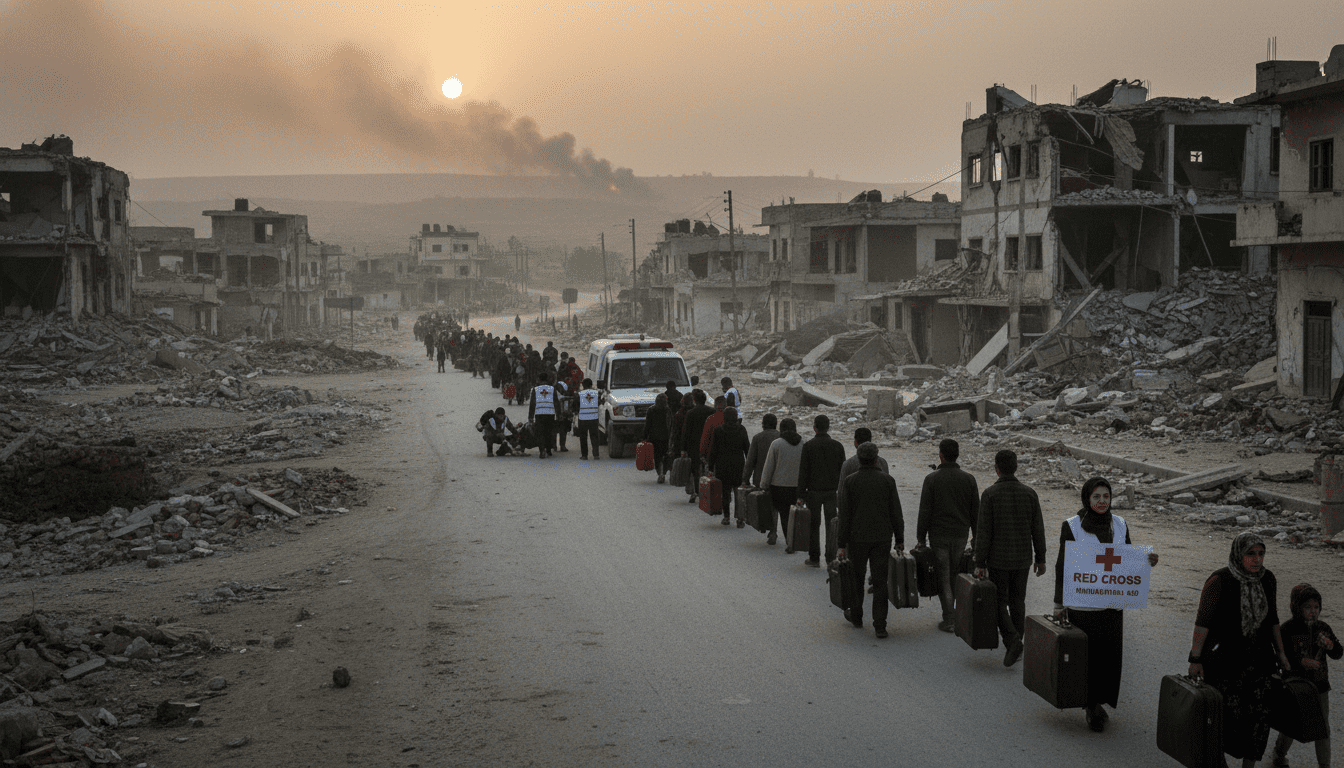
Overnight strikes struck a building and a café in Tyre, setting blazes that sent emergency teams into dense debris searching for survivors. Reporters in the city said attacks had been relentless for hours, and that many neighbourhoods were reported largely emptied as residents departed. Witness accounts and on-the-ground reporting described long columns of vehicles and families leaving urban centres as the strikes intensified.
The escalation extended beyond Tyre, with roads, populated districts and public services across southern Lebanon reporting damage. Observers warned that repeated damage to infrastructure would complicate efforts to deliver aid and restore basic services to displaced populations.
Soldiers among the casualties in Nabatieh and Beqaa Valley
The Lebanese army confirmed the death of one of its soldiers in a strike in the Nabatieh area, adding to a series of military losses reported in recent days. Officials said other soldiers have been killed in strikes across southern Lebanon and the western Beqaa Valley, marking a dangerous expansion of targets beyond civilian areas. Israeli authorities have described their operations as aimed at dismantling Hezbollah infrastructure.
The Lebanese military deaths signal an elevated risk of direct confrontations and create further uncertainty about the conflict’s geographic scope. Military analysts said operations that strike personnel and facilities complicate any immediate prospects for de-escalation.
Mass displacement orders push civilians north of the Zahrani River
Israeli authorities issued sweeping displacement orders covering much of southern Lebanon, including Tyre and adjacent districts, instructing residents to evacuate north of the Zahrani River, approximately 40 kilometres from the Israel-Lebanon border. The notices, circulated on social media and accompanied by maps marking buildings, accelerated the exodus and left many families with little time to arrange transport or gather belongings.
Humanitarian and local groups said thousands were already on the move, with makeshift shelters forming in towns farther north. Aid agencies warned that abrupt population movements would strain limited resources, create shelter shortages and complicate coordinated relief efforts in the coming days.
Red Cross issues urgent humanitarian warning
The International Committee of the Red Cross warned that large-scale forced displacements and continued strikes on urban centres are placing civilians at grave risk and worsening an already precarious humanitarian situation. The ICRC cautioned that attacks on populated areas and the denial of safe evacuation routes risk creating a protracted crisis with long-term consequences for health, shelter and access to water.
Humanitarian workers on the ground described growing fear among evacuees and limited avenues for safe passage, noting that relief convoys face logistical hurdles amid damaged roads and insecurity. Agencies appealed for unobstructed humanitarian access and adherence to international protections for civilians.
Diplomacy under strain as US-mediated talks resume
United States-mediated negotiations between Israel and Lebanon were scheduled to resume on Thursday with technical discussions before broader talks are due in early June, but the sudden intensification of strikes has cast doubt on the process. Diplomats said the uptick in military activity complicates the environment for talks and could harden positions on both sides.
Local commentators and residents expressed frustration that recent agreements failed to prevent renewed violence, with some describing ceasefire commitments as ineffective. Observers warned that without immediate steps to reduce hostilities, confidence in diplomacy could erode further and make a negotiated settlement more difficult.
The sharp rise in civilian casualties, the spread of strikes into population centres and mass displacement orders have combined to create an escalating humanitarian emergency in southern Lebanon. Aid agencies and officials urged immediate measures to protect civilians, restore safe corridors for evacuations, and preserve room for the diplomatic talks aimed at preventing a wider conflagration.
