
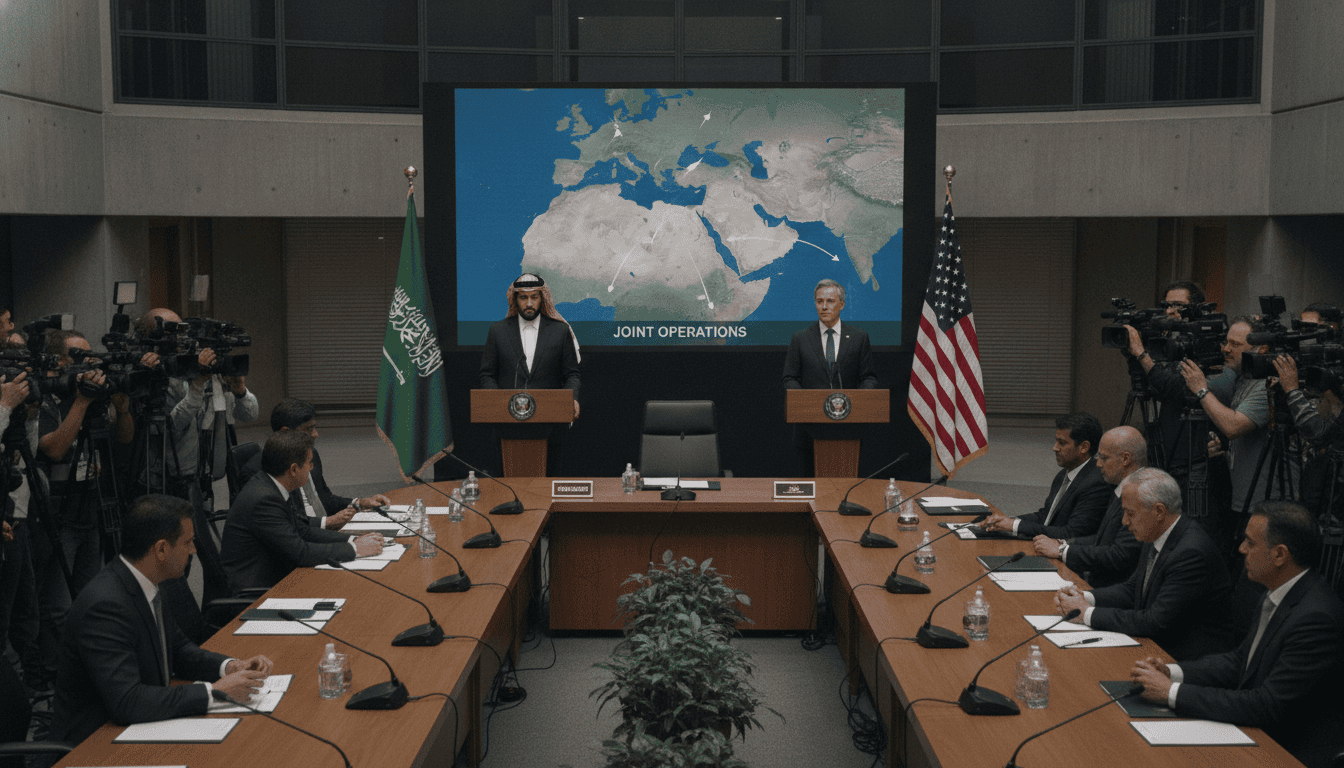
Saudi Intervention in Iran War: US and Saudi Forces Carry Out Joint Strikes on Pro‑Iran Militias in Iraq
US and Saudi Arabia launched joint strikes on pro‑Iran militias in Iraq, marking the first direct Saudi intervention in the Iran war and escalating regional tensions.
The United States and Saudi Arabia carried out coordinated attacks on targets inside Iraq overnight, striking sites linked to militias aligned with Iran after a series of drone assaults hit U.S. bases and Saudi oil infrastructure. Saudi participation in the operation represents the first time Riyadh has engaged directly in the Iran war, a move that officials said was intended to degrade the militias’ ability to carry out cross‑border attacks. Military spokespeople described the strikes as limited and targeted, framed as defensive measures to protect U.S. personnel and critical Saudi energy assets. The intervention immediately raised concerns among regional capitals about the potential for a broader and more sustained conflict.
Joint Strikes Target Pro‑Iran Militias in Iraq
The strikes focused on facilities and positions that U.S. and Saudi officials assessed were being used by Iran‑backed groups to launch drone and missile attacks over recent weeks. U.S. commanders said the operations responded to an uptick in assaults on American bases in Iraq and on Saudi energy infrastructure that threatened commercial operations and personnel. Saudi officials, speaking through their defense channels, framed their involvement as a necessary step to defend national infrastructure and deter further attacks that could disrupt global oil markets. Iraqi authorities expressed alarm over foreign strikes on their soil and warned such actions complicate Baghdad’s fragile security landscape.
First Direct Saudi Military Action in the Conflict
Riyadh’s decision to join kinetic operations is a significant departure from its previous posture of diplomatic and proxy engagement, moving from behind‑the‑scenes support into overt military collaboration with the United States. Analysts say the step underscores how attacks on the kingdom’s oil industry have altered its threat calculus and pushed Saudi Arabia toward more direct military responses. The operation signals a willingness by Riyadh to accept the political risks of open involvement, including international scrutiny and potential retaliation by militia networks or their patrons. For Washington, Saudi participation offers a regional partner to share the burden of response while also complicating diplomatic avenues with Iran.
Nuclear Deal with the United States Raises Stakes
The joint strikes come days after a high‑profile civil nuclear cooperation agreement between the United States and Saudi Arabia that allows American firms to assist Riyadh’s development of civilian nuclear power. That pact, announced publicly in the prior week, has already shifted perceptions of Saudi strategic trajectory by underscoring closer U.S.–Saudi technological and energy ties. Observers warn the combination of a nascent civil nuclear partnership and active military engagement raises the stakes for regional rivalry, as rival states reassess their security and deterrence postures. While the agreement pertains to peaceful nuclear energy, its timing alongside direct military action feeds speculation about Riyadh’s long‑term ambitions within the Middle East.
Strategic Calculations and Regional Power Dynamics
Regional strategists argue Riyadh’s intervention may be aimed at elevating Saudi Arabia’s standing as the principal Sunni security provider in the Arab Gulf and beyond. Demonstrating the ability and willingness to use force in defense of critical infrastructure could strengthen Riyadh’s bargaining position with allies and rivals alike. At the same time, direct engagement opens Saudi leadership to blows on multiple fronts, from asymmetric militia retaliation to diplomatic fallout with states seeking to avoid escalation. Experts caution that military action alone is unlikely to settle underlying rivalries and could entrench proxy campaigns that further destabilize the region over months or years.
International Reactions and Risks of Wider Escalation
Governments and international institutions called for restraint and de‑escalation even as some partners expressed tacit support for defensive measures against attacks on energy facilities. Tehran has not publicly signaled its next steps but retains networks of allied groups across Iraq, Syria and Lebanon capable of mounting retaliatory operations. U.S. officials underlined the defensive rationale for the strikes and emphasized coordination with Iraqi authorities where possible, while Baghdad condemned violations of its territorial sovereignty. The risk of miscalculation is elevated: a single misattributed incident or an aggressive retaliatory strike could prompt a chain reaction that draws additional external actors into the confrontation.
The intervention brings immediate military and diplomatic consequences and casts new uncertainty over efforts to stabilize the wider region. As Saudi Arabia steps into a more overt security role while deepening ties with the United States on energy and technology, rival states will reassess their positions and partners will watch for signs of escalation. The coming days are likely to show whether the strikes deter further attacks or intensify a cycle of reprisals that could reshape Gulf security dynamics.
