
EU Threatens Funding Cuts Over Russia’s Return: Russian Pavilion at Venice Biennale Sparks Diplomatic Row
EU officials warn cuts to Biennale funding if Russia proceeds with a Russian pavilion at the Venice Biennale, saying the move is “morally wrong” ahead of the May 9, 2026 opening.
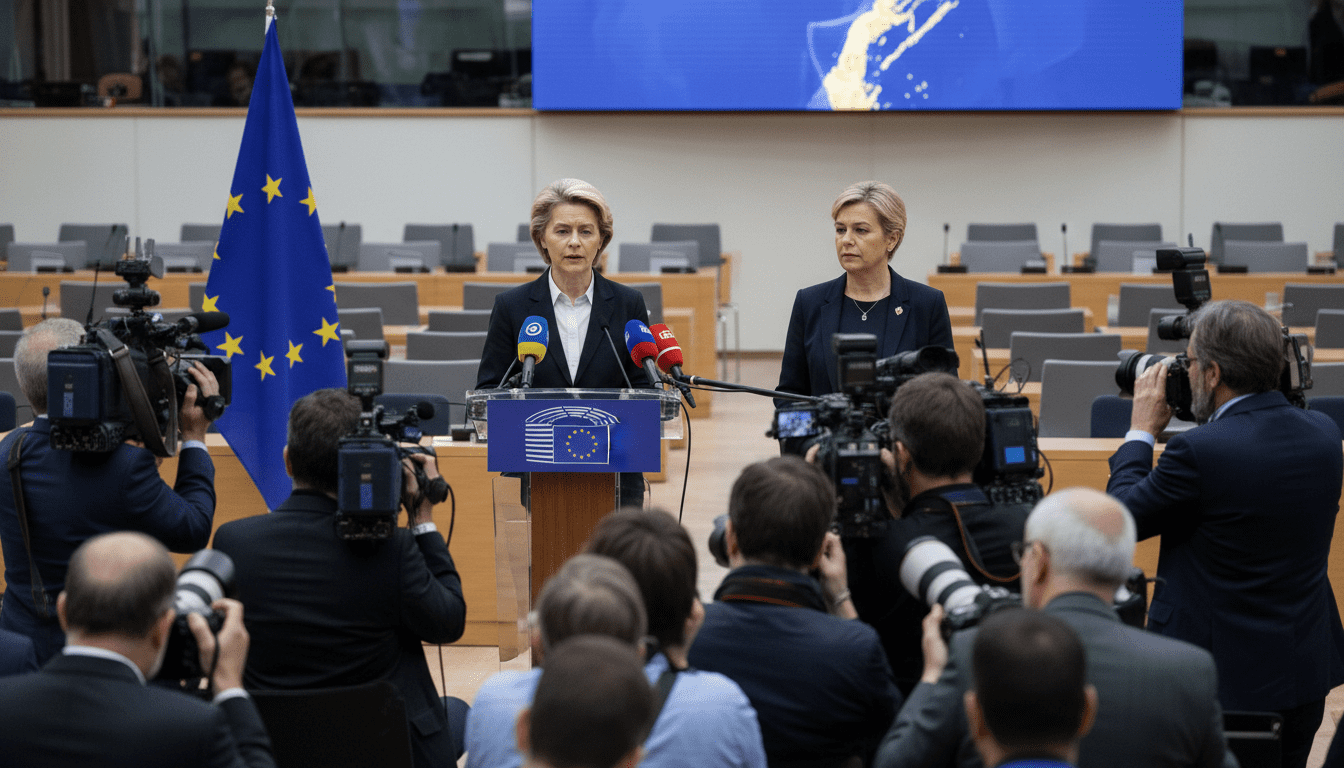
The European Union has warned it may reduce financial support to the Venice Biennale after Russia notified organizers of plans to return with a Russian pavilion, igniting debate over whether a national presentation by Russia is appropriate while the war in Ukraine continues. Estonian Prime Minister Kaja Kallas said Russia’s planned participation is “morally wrong, and the EU intends to cut its funding,” framing the dispute as both political and ethical ahead of the exhibition that opens on May 9, 2026. Organizers and funders now face pressure to decide whether to accept Russia’s national presentation or to alter existing grants to the Biennale Foundation.
Kaja Kallas and EU Pressure on Biennale Funding
Estonian Prime Minister Kaja Kallas publicly connected Russia’s participation to broader EU policy, calling for a reassessment of support to the Biennale Foundation.
Her statement ties cultural engagement to accountability for military actions, and it reflects a growing expectation among some EU officials that cultural programs should not appear to legitimize or normalize state conduct in wartime. The EU Commission currently provides direct financial assistance to the Biennale Foundation, and Kallas’s remarks signal that those contributions could be reallocated or reduced if Moscow’s pavilion goes ahead.
Russia Notifies Biennale Foundation of Return
Russian representatives, in coordination with the Biennale Foundation, communicated their intent to field a national pavilion at this year’s exhibition and said they plan to present works by domestic artists.
If realized, this would be the first formal Russian national pavilion at the Venice Biennale since the start of Russia’s full-scale invasion of Ukraine in 2022, marking a notable moment in the intersection of cultural diplomacy and geopolitical conflict.
EU Commission’s Current Support and Potential Cuts
The European Commission currently allocates two million euros to the Biennale Foundation across a three-year period to support film production and immersive technologies at the event.
Officials have suggested that that funding arrangement could be subject to review should the Biennale move forward with a Russian national pavilion, raising questions about contractual conditions, artistic autonomy, and the Commission’s leverage as a public funder of cultural institutions.
History of the Pavilion’s Use and Recent Precedents
In recent editions of the Biennale the Russian pavilion building has not consistently housed an official Russian presentation. In 2022, the artists originally selected to represent Russia withdrew in protest against the invasion of Ukraine.
During the 2024 edition, the Russian state reportedly allowed Bolivia to use the pavilion space, a decision that underscored the diplomatic and symbolic sensitivities surrounding national pavilions at Venice. Those precedents complicate organizers’ considerations now that Moscow has signaled a renewed direct presence.
Artists, Curators and Institutions Responding to the Announcement
The prospect of a Russian pavilion has prompted mixed reactions across the art world, with some cultural figures warning that participation could be seen as a political endorsement and others arguing that artistic platforms should remain open to voices separate from state policy.
Museums, curators and independent artists are weighing reputational risks, the safety of Ukrainian cultural heritage, and the potential for protests. Any decision by the Biennale Foundation to accept or refuse the pavilion is likely to produce further statements from affected artists and international cultural bodies.
Decisions and Deadlines Ahead of the May 9, 2026 Opening
Organizers, the Biennale Foundation and funders now face a narrow window to resolve the dispute before the exhibition opens on May 9, 2026. Legal, diplomatic and contractual considerations will inform whether the Commission can lawfully withhold funds or condition support on programming choices.
Possible outcomes include a negotiated compromise that limits state branding, the relocation or modification of a national presentation, a formal withdrawal of EU funding, or public protests and counter-programming by artists and institutions. Each path carries implications for the Biennale’s autonomy and its role as an international forum for contemporary art.
The debate over Russia’s proposed return to the Venice Biennale underscores enduring tensions between cultural exchange and political accountability, as funders, organizers and the international art community weigh how to uphold artistic freedom while responding to wartime realities.
