
Russian frigate warning shots in English Channel prompt dispute between yacht owners and Moscow
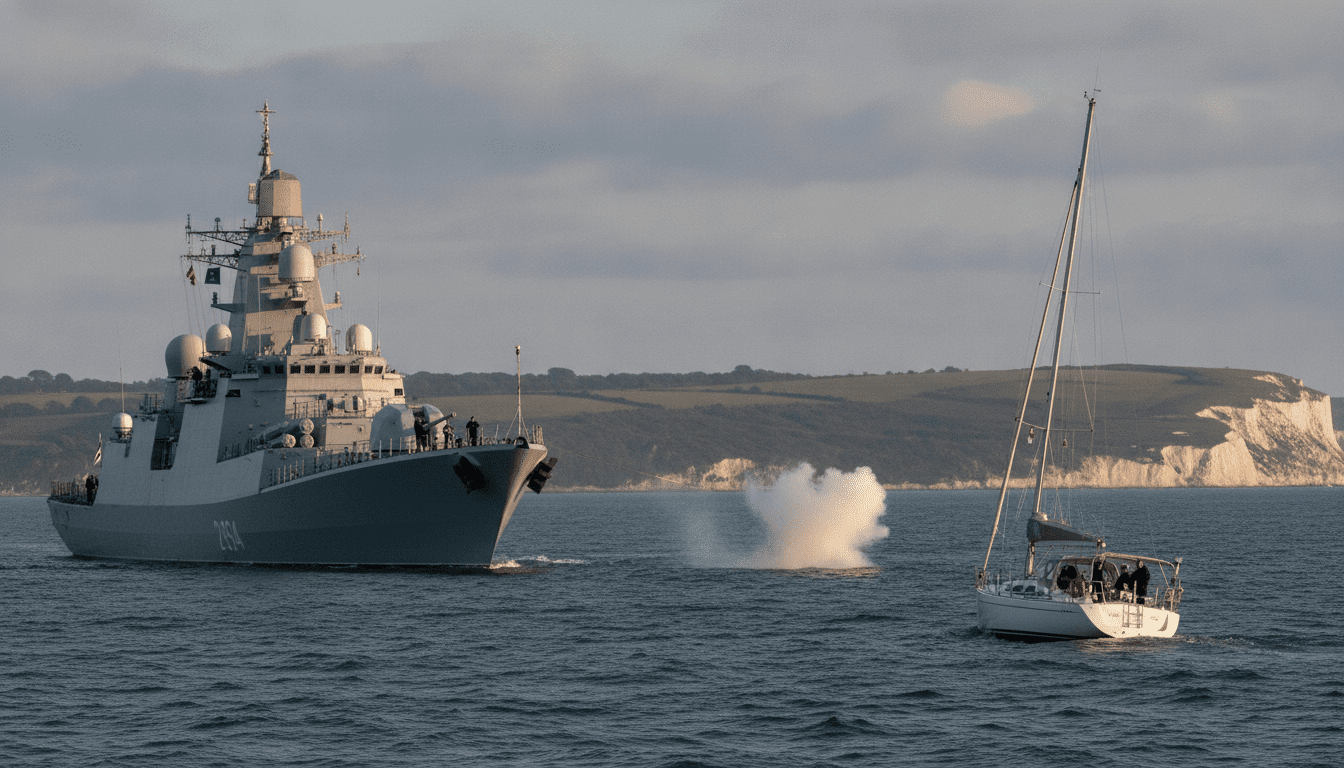
Britain’s Ministry of Defence described the Russian frigate warning shots in the English Channel as an isolated incident after a Russian warship fired near an English yacht approximately 20 nautical miles south of the Isle of Wight. The episode left the yacht’s owners, Jane and Alan Kelvey, and Russian authorities at odds over what warnings were given and why shots were fired. Both London and Moscow offered different accounts of the encounter involving the frigate Admiral Grigorovich and the sailing vessel Leuchtende Zukunft.
Incident 20 nautical miles south of the Isle of Wight
The shooting occurred on Tuesday, with the Russian frigate Admiral Grigorovich reported to be operating in the busy shipping lanes of the Channel when the alarm was raised. According to the Russian defence ministry, the yacht allegedly approached the frigate “in a dangerous manner” and ignored radio calls and signal flares, prompting warning shots to be fired in front of the yacht’s bow. The British Ministry of Defence later characterized the episode as a one-off incident that did not form part of broader hostile operations.
Yacht owners contest Russian account
Jane and Alan Kelvey, who own the yacht named Leuchtende Zukunft, rejected the Russian version, saying they received no radio contact or visual warnings before shots were fired. The couple told the BBC that the frigate sounded five short blasts on its horn — a maritime signal indicating uncertainty whether the target ship had the other in sight — and that they altered course two points to port to demonstrate clear maneuvering away. They say the horn signal was repeated about a minute later and small-arms fire followed, with rounds landing roughly 500 metres ahead of their bow, prompting them to report the incident to maritime authorities as a “dangerous event.”
British ministry frames the event as isolated
Officials in London said the Russian frigate may have been attempting to indicate that another vessel in the water was without power and less manoeuvrable, and that the shots did not reflect a wider pattern of sanctioned or hostile Russian activity in the area. The UK Ministry of Defence emphasized that the incident was not linked to a recent boarding operation against a tanker allegedly tied to a so-called “shadow fleet,” which British forces had intercepted earlier that same week. British patrols, including the offshore patrol vessel HMS Mersey, continued to monitor the Admiral Grigorovich while noting the episode as an anomaly rather than an escalation.
Admiral Grigorovich’s extended Channel presence
The Admiral Grigorovich has been operating in the Channel for an extended period and has been resupplied multiple times by a Russian logistics ship, according to UK reporting and naval observers. That pattern of replenishment has allowed the frigate to sustain a longer presence in the area than a single short deployment would permit, raising concerns among regional naval planners about persistent activity close to British and French waters. British patrol vessels have maintained visual and electronic surveillance of the frigate, tracking its movements while keeping watch for interactions with commercial and private vessels transiting the strait.
Allegations of escorting shadow fleet tankers
Media and NATO sources cited in British reports have suggested the Admiral Grigorovich may be tasked with escorting tankers linked to a “shadow fleet” of vessels targeted by sanctions, seeking to prevent their interception or seizure as they transit the Channel. NATO and UK officials have increasingly scrutinized vessels they suspect of facilitating sanctions evasion, and the presence of an armed escort in the Channel would align with efforts to shield such ships from enforcement. British forces’ earlier boarding of a tanker alleged to be part of that network illustrates the broader pattern of coalition efforts to police sanctioned shipping in congested maritime corridors.
Maritime safety and diplomatic ramifications
The incident underlines the hazards private mariners face when large naval units operate close to coastal traffic lanes, and it has prompted renewed focus on rules of engagement and signalling protocols at sea. Disputes about whether conventional signals — radio calls, flares, or horn blasts — were used or understood complicate both safety assessments and diplomatic responses, particularly when accounts from involved parties diverge sharply. London’s description of the event as isolated aims to de-escalate immediate tensions, yet the episode is likely to be raised in bilateral channels and possibly at NATO maritime forums as allies review rules and monitoring in the Channel.
The differing narratives from the yacht owners and the Russian defence ministry leave key questions unresolved about what warnings were attempted and why live fire occurred near a small civilian vessel. UK patrols continue to shadow the Admiral Grigorovich as authorities investigate, while maritime safety officials reiterate guidance for small craft navigating close to naval units.
