
Mother Credits Pilates With Recovery From Postpartum Depression and Builds Long Island Wellness Community
After a difficult birth and weeks of isolation, Melissa Marsigliano used Pilates to recover from postpartum depression and founded a Long Island wellness expo to help other mothers.
Melissa Marsigliano says movement saved her during a period she now describes as the darkest stretch after the birth of her second child, when postpartum depression, maternal guilt and isolation converged. What began as a harrowing delivery — complicated by a stuck baby and early health concerns — evolved into relentless anxiety and sleepless days that outlasted the hospital stay. She eventually turned to reformer Pilates, found a community that supported her return to herself, and channeled that recovery into a public wellness event aimed at other parents. Her story underscores the limits of routine screening and the value of social support for mothers facing postpartum depression.
Complicated delivery and immediate postpartum scares
A labor that differed sharply from her first left Marsigliano shaken and exhausted in the days after delivery. Medical teams had to reposition the newborn during a difficult birth, and within days her son failed a newborn hearing screen and was found to have cardiac concerns. Those early health scares were followed by feeding challenges and a diagnosis of a milk protein allergy, which intensified feelings of failure and guilt for the new mother.
The household dynamic amplified the strain: an older child returning with a contagious illness meant strict separation and few visitors, leaving Marsigliano largely alone during a time when she needed practical and emotional support. The accumulation of trauma — from the labor itself to the baby’s ongoing medical needs — contributed to the sense that something was wrong beyond ordinary new-parent fatigue.
Screening results missed the scale of distress
At routine pediatric checkups Marsigliano completed a standard wellness questionnaire that flagged loneliness and a lack of enjoyment but did not register as clinical depression under scoring thresholds. Despite the official result, she knew her mood and functioning had shifted dramatically from her pre-baby baseline. That mismatch between standardized screening and lived experience is a frequent complaint among new parents who feel dismissed or misunderstood.
Marsigliano’s account highlights how screening tools can miss subtler but serious changes in mood and identity after childbirth, especially when symptoms do not present as textbook depressive episodes. She emphasizes that simple check-ins from friends, family or clinicians might have interrupted the slide into deeper isolation and helped her access supports sooner.
Isolation, social pressure and loss of identity
Beyond clinical measures, the social environment compounded Marsigliano’s distress. She described a sense of being judged for feeding choices amid pressure from a stringent lactation consultant, and she found social media amplified feelings of inadequacy. The internalized expectation to be the family’s resilient “cheerleader” clashed with a sudden loss of agency over her body, routine and self-image.
Those social forces intensified the emotional toll, turning ordinary parenting tasks into sources of shame rather than joy. Friends and online acquaintances offering advice instead of empathy made it harder for her to ask for simple practical help, which she now identifies as a critical unmet need during her recovery.
Pilates became a practical lifeline
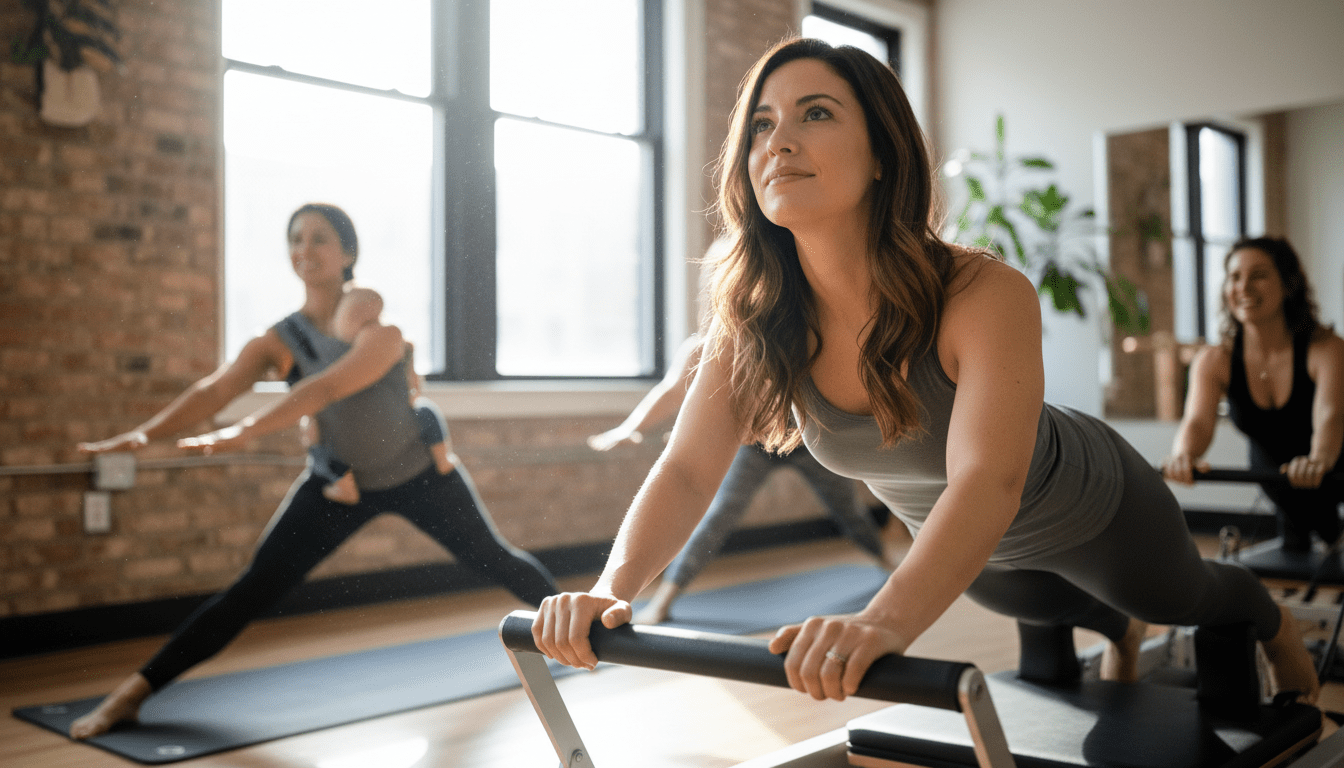
Marsigliano rediscovered movement through reformer Pilates, an intensive form of the practice that demands concentration on breath, alignment and controlled motion. The practice gave her a focus apart from the relentless cycle of bottles and doctor’s visits and brought immediate physiological benefits that eased anxiety. Over time, attending classes and training to become an instructor allowed her to reclaim a sense of competence and bodily ownership.
She says the discipline of Pilates offered a mental reset as much as a physical one, redirecting intrusive thoughts toward present-moment tasks and measurable progress. That practical, embodied work helped stitch together a fragmented sense of self and provided a scaffold for rebuilding daily routine.
From personal recovery to a public wellness initiative
What began as personal reconstruction evolved into community building when Marsigliano organized a Pilates and wellness expo on Long Island. She promoted the event through social channels and enlisted vendors, sponsors and local partners to create a space that combined fitness, education and peer connection. The expo served both as a platform for recovery professionals and a tangible way to reduce the isolation many new parents experience.
Marsigliano is continuing the event this year with expanded offerings and partnerships, framing the expo as a resource for parents seeking movement-based therapies, mental health information and practical supports. The initiative reflects a growing trend of peer-led wellness programming that aims to supplement clinical care with community-based networks.
Calls for straightforward support and better awareness
Marsigliano urges family members, friends and healthcare providers to prioritize simple outreach — a call or a short visit — that can interrupt loneliness and normalize asking for help. She also stresses that a prior uneventful postpartum experience does not guarantee the same outcome after subsequent births, warning other parents not to be complacent. While movement like Pilates proved healing in her case, Marsigliano notes that different families will need different combinations of clinical care, peer support and practical assistance.
Her story is a reminder that postpartum depression can manifest in diverse ways and that empathy, timely check-ins and community resources can be decisive in recovery.
Melissa Marsigliano’s experience illustrates how targeted physical practice, complemented by community outreach, can play a central role in recovery from postpartum depression and in prevention of the isolation that often accompanies new parenthood. She is now using her recovery to create spaces where other parents can find practical help, professional guidance and the human connection she says was missing when she most needed it.
