
Mi-17 helicopter crash near Muzaffarabad kills 22, Pakistan army orders inquiry
Mi-17 helicopter crash near Muzaffarabad in Pakistan-administered Kashmir on June 10, 2026 kills 22 military personnel; army orders inquiry amid tight security.
At least 22 military personnel died when a Pakistani army Mi-17 transport helicopter crashed near Muzaffarabad on Wednesday, June 10, 2026, security sources told international news agencies. The Mi-17 helicopter crash occurred during take-off, with video footage showing thick black smoke rising from the site shortly after the aircraft went down. Military and civilian authorities held mass ceremonial funerals as the region mourned the loss and the army announced a formal inquiry.
Crash Occurred During Take-off, Military Says
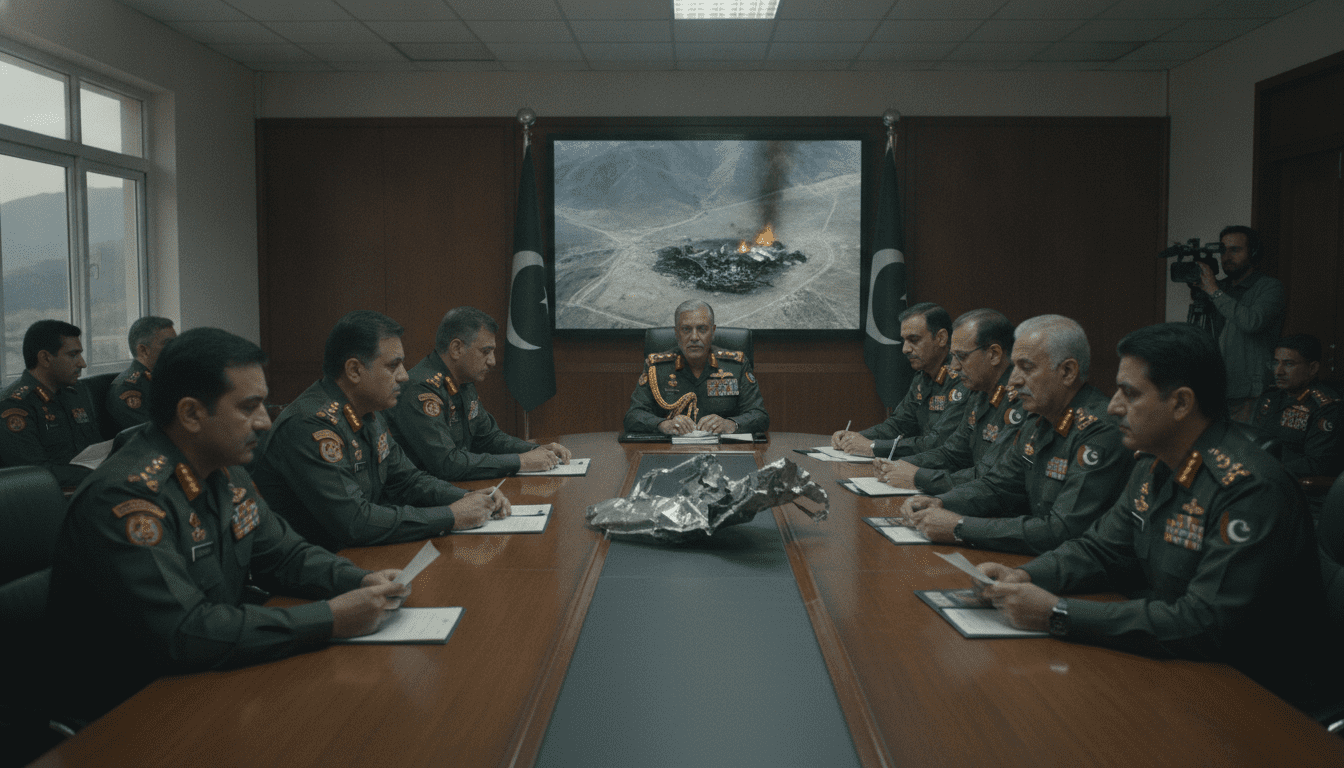
The Inter-Services Public Relations (ISPR), the military’s media wing, said the helicopter “crashed … during take-off due to a technical fault” and that a board of inquiry has been ordered to determine the precise cause. Military statements said all personnel on board were killed, while images and video from the scene captured flames and dense smoke behind a cluster of buildings near the regional capital.
ISPR also said senior leadership expressed deep grief over the incident, and that the investigation will examine technical factors. Officials emphasized that the board will review maintenance records, aircraft systems and operational procedures as part of the technical assessment.
Casualties Identified and Military Burials Held
Security sources speaking to Reuters, Anadolu and the Associated Press identified the dead as including one colonel, two officers of major rank and 19 soldiers, bringing the reported toll to 22. The victims received formal military burials on Thursday, June 11, 2026, with flag-draped coffins carried by an artillery unit stationed in the region.
While the ISPR did not initially publish a full roster, state-run APP reported that President Asif Ali Zardari and Prime Minister Shehbaz Sharif expressed deep sorrow. Local commanders and families attended the funerals amid heightened security measures in Muzaffarabad.
Board of Inquiry to Examine Technical and Operational Factors
The ordered board of inquiry is expected to conduct on-site wreckage examinations and review the helicopter’s maintenance and service history, according to military practice in similar incidents. Investigators typically analyze flight records, crew statements where available, and any recoverable components to identify failures or human factors.
Officials have not set a timetable for the inquiry’s findings, but military investigations into aviation accidents in the region have sometimes led to safety directives, changes in maintenance procedures, or retraining initiatives. The outcome will be closely watched for implications on operational readiness and fleet management.
Security Restrictions and Local Unrest in Kashmir
The crash happened against a backdrop of strict movement restrictions in Pakistan-administered Kashmir after violent clashes between security forces and a banned alliance of civil society groups. Authorities had imposed heightened security measures following unrest that left at least 11 people dead over the preceding weekend, according to local reports.
Military and civilian officials strongly rejected any link between the local unrest and the Mi-17 helicopter crash, saying the initial evidence pointed to a technical failure. Nevertheless, the sensitive security environment has complicated access to the crash site and placed extra scrutiny on the investigation process.
Role and Record of the Mi-17 Fleet in Pakistan’s Northern Operations
The Soviet-designed Mi-17 has long been a workhorse for Pakistan’s army aviation wing, especially for high-altitude deployments in the country’s rugged northern terrain. The type is widely used for troop transport, logistics and casualty evacuation in areas where road access is limited and weather can be volatile.
Over the past decade Pakistan’s Mi-17 fleet has been involved in occasional fatal accidents in the mountains, prompting periodic reviews of maintenance and operational practices. Pakistan has also refurbished and overhauled portions of its Mi-17 fleet with international assistance, including past programs involving the United States, and fleet sustainment remains a priority for the army.
Potential Safety Measures and Institutional Response
Depending on the inquiry’s findings, the army could issue immediate safety directives, temporarily ground similar aircraft pending inspections, or order accelerated maintenance work across the fleet. Military aviation authorities typically balance urgent safety steps with operational requirements in the country’s border regions.
Public release of the board’s report would provide clarity for families, the military community and the wider public, while any systemic issues identified could prompt broader policy changes. For now, commanders have signaled that a technical determination is the primary focus and that accountability will follow established procedures.
The Mi-17 helicopter crash has added to a tense week in Pakistan-administered Kashmir, where grief over the dead is set against continued security operations and political strains. As investigators work to establish the cause, military officials and families await the formal findings that will explain how the helicopter came down during take-off and what steps will be taken to prevent a recurrence.
