
Obstructive sleep apnea: what to watch for, how it’s diagnosed and treated
Obstructive sleep apnea (OSA) affects millions and can cause loud snoring, daytime sleepiness and serious long-term health risks if left untreated.
Key signs: loud snoring, gasping and daytime impairment
Loud snoring is the most common early sign of obstructive sleep apnea and often prompts partners to seek medical advice for a loved one. Many people with OSA also awaken gasping for air, experience fragmented sleep, and report persistent daytime tiredness that affects work and mood. Recognizing these symptoms early can speed diagnosis and reduce the chance of complications.
How airway collapse causes breathing pauses at night
Obstructive sleep apnea develops when the muscles that normally support the throat relax during sleep and allow the upper airway to narrow or collapse. Structural features such as a recessed jaw, a large tongue, enlarged tonsils, or a deviated nasal septum can increase the propensity for blockages. These repeated breathing pauses lower blood oxygen levels and force brief arousals that fragment restorative sleep.
Who is at greatest risk for OSA
Certain demographic and medical factors raise the likelihood of obstructive sleep apnea, including male sex, advancing age and excess body weight that can add pressure to the neck and airway. Family history, hormonal changes such as menopause, and underlying conditions like hypothyroidism or cardiovascular disease also contribute to risk. Clinicians evaluate these elements alongside reported symptoms when considering further testing.
Sleep studies and clinical evaluation used to confirm diagnosis
Diagnosis of obstructive sleep apnea typically begins with a detailed medical history and a focused physical exam of the mouth, throat and facial structure. Definitive assessment usually requires sleep testing: an in-lab polysomnogram measures brain waves, heart rate, breathing and oxygen levels overnight, while validated home sleep apnea tests monitor breathing and oxygenation in the patient’s own bed. Results determine the severity of OSA and guide treatment selection.
CPAP therapy and device options for maintaining airway patency
Continuous positive airway pressure, or CPAP, remains the frontline therapy for obstructive sleep apnea because it delivers pressurized air to keep the airway open through the night. Success with CPAP hinges on nightly use and proper mask fit, and many patients see rapid improvements in sleep quality and daytime alertness when adherent. For those unable to tolerate CPAP, custom oral appliances and positional strategies can reduce airway collapse by repositioning the jaw or tongue.
Surgery and targeted interventions for structural causes
When anatomical problems are the primary driver of obstructive sleep apnea, surgical approaches may be considered after conservative treatments fail. Procedures range from removal of enlarged tonsils to more complex operations that reposition the jaw or reduce redundant soft tissue in the throat. Surgery is typically recommended following careful evaluation by sleep specialists and ear, nose and throat surgeons, and it may be combined with other therapies to optimize outcomes.
Lifestyle measures that reduce severity and support treatment
Weight management, avoiding alcohol and sedating medications before bed, quitting smoking and sleeping on one’s side can all lessen the frequency of apneas and improve response to medical therapies. Small changes such as using positional pillows, limiting late-night meals and maintaining regular sleep schedules also support airway stability and overall sleep quality. These noninvasive measures are especially important alongside device-based treatments.
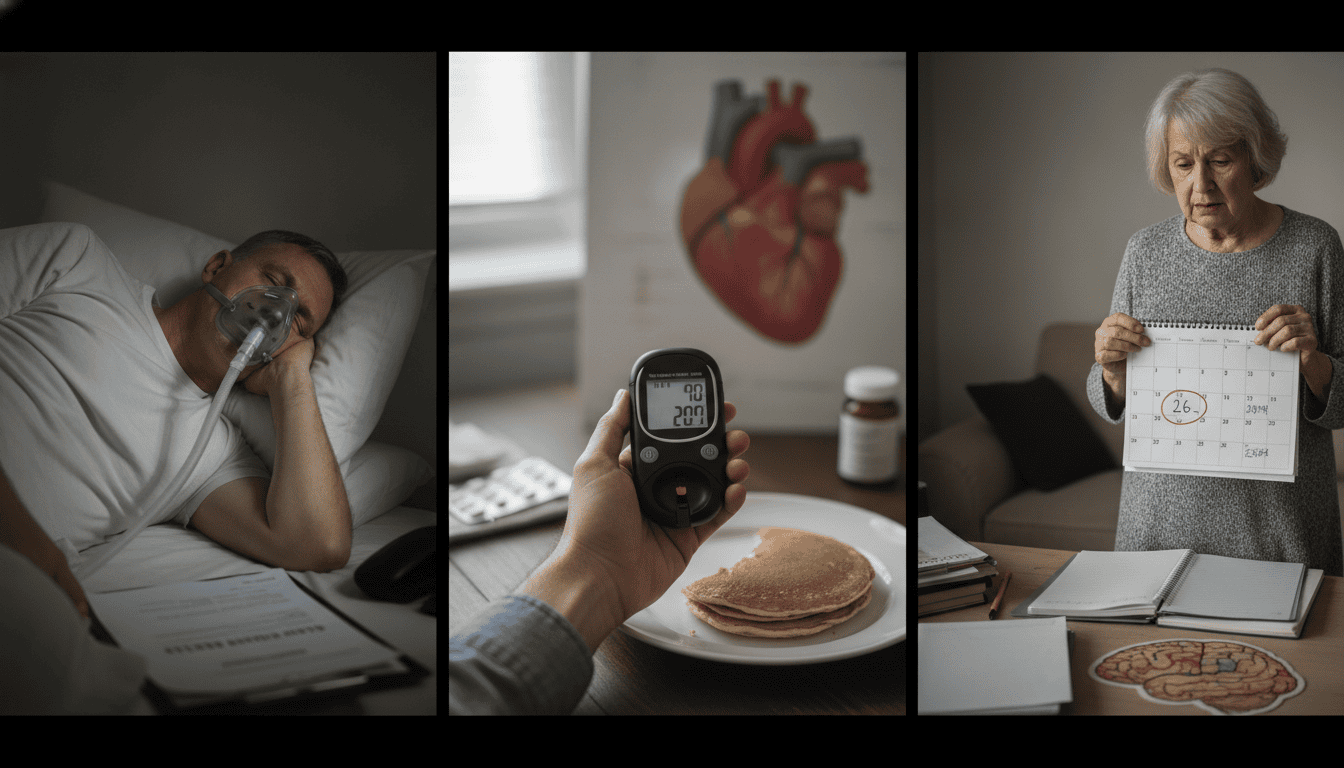
Long-term health impacts of untreated obstructive sleep apnea include elevated risk of high blood pressure, heart disease, stroke, metabolic disorders such as type 2 diabetes, mood disturbances and cognitive decline. Because OSA can impair memory, concentration and emotional regulation, early recognition and consistent treatment yield benefits beyond better sleep, improving cardiovascular health, daytime function and quality of life.
If you or a bed partner notice persistent loud snoring, frequent gasping awakenings, or excessive daytime sleepiness, consult a healthcare provider for evaluation and possible sleep testing. Timely diagnosis and adherence to recommended therapies—whether CPAP, an oral appliance, lifestyle modification or, in selected cases, surgery—can restore healthier sleep and reduce long-term health risks.
