
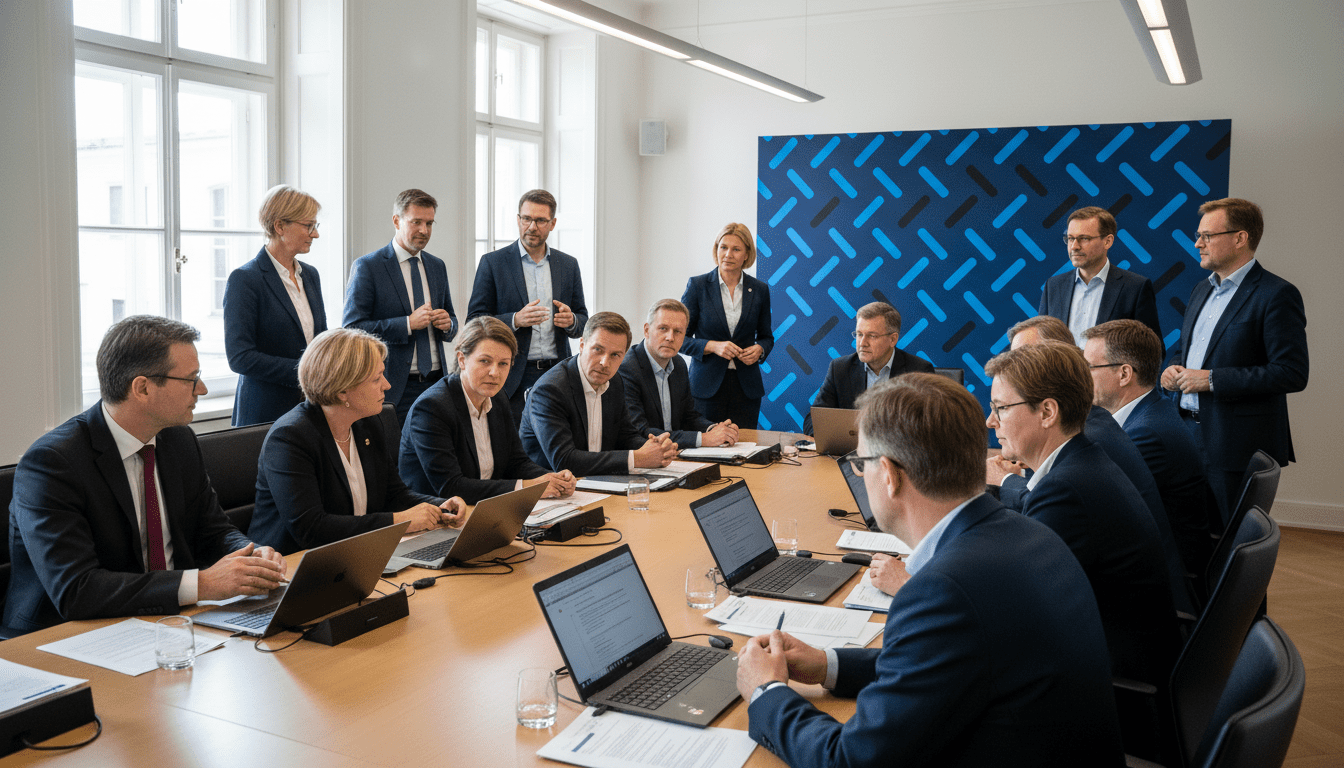
New CDU MPs Push for Pay Restraint and Faster Reforms after First Year in the Bundestag
New CDU MPs, nearly a third of the Union faction, pressed for pay restraint, fiscal consolidation and swifter reforms after a first year marked by narrow majorities and growing impatience.
The first year in the Bundestag has produced an uncommon internal push from new CDU MPs who say the party must show restraint and accelerate promised reforms. On March 12, Wilhelm Gebhard, a first-term CDU deputy, emailed party leaders urging that planned parliamentary pay increases be declined as a signal of shared sacrifice. Those appeals reflect a broader unease among the cohort of newcomers — 59 first-time parliamentarians within the Union’s 208-member Bundestag group — who say the coalition’s slender majority and slow pace of change are testing unity.
One in Three MPs Are New to the Union Fraktion
Nearly a third of the Union’s parliamentary group are newcomers, a demographic shift that alters the internal balance of power and expectation. The group of 59 first-term MPs includes former mayors, business professionals and local politicians who campaigned on promises of economic renewal and administrative efficiency. Their presence matters: the governing coalition holds only a dozen seats more than an absolute majority in the 630-member Bundestag, so every voice can be decisive on contested bills.
Internal Calls to Reject Pay Increases
Calls for voluntary forgoing of salary hikes have emerged from the parliamentary rank-and-file as a symbolic demand for credibility on fiscal discipline. Wilhelm Gebhard’s message to senior party figures said the Union should “start with ourselves” and signal reform commitment by refusing upcoming diäten increases. That demand resonates with other new MPs who argue public trust in reform plans will be hard to build if lawmakers accept pay raises while asking citizens and businesses to accept tough changes.
Narrow Coalition Majority Elevates New MPs’ Influence
Several new deputies have highlighted that the coalition’s slim margin gives them leverage beyond what first-term lawmakers typically enjoy. Daniel Kölbl, elected in 2024, noted that being one of 630 deputies still carries weight because the coalition majority is so narrow that dissenting votes can shift outcomes. Parliamentary leaders and ministers therefore face the reality that outreach to backbench newcomers is necessary to secure passage for major measures.
Pressure for Fiscal Consolidation and Tax Relief
A dominant theme among the new CDU MPs is a demand for restored economic stability through tighter budgets and tax relief. Members repeatedly cited the need for “more fiscal space,” expedited relief for companies and households, and a focus on measures that boost competitiveness. Voices across the group — from business-trained deputies to younger lawmakers pressing on intergenerational fairness — argued that long-term prosperity requires both consolidation and incentives for growth.
Rentenreform Remains a Dividing Test
The pending pension reform has become the most politically fraught test for the Union’s new cohort and the broader coalition. Many newcomers say the issue will determine whether the government can deliver lasting structural change, and they warned that past debates have left scars within the parliamentary group. Deputies close to the younger wing pushed hard against the previous pension package on generational fairness grounds, even as some who voted for compromise stressed that preserving coalition stability took priority.
Frustration Over Pace, Not Loyalty
Despite sharpening criticism about the speed and depth of promised reforms, the newcomers frame their stance as constructive rather than mutinous. Multiple deputies expressed frustration that decision-making processes are lengthy and complex, and that coalition compromises often blunt the urgency of campaign pledges. Yet they also emphasized a commitment to the coalition’s success, insisting their interventions aim to accelerate reform delivery rather than destabilize the government.
The new CDU MPs’ interventions expose a party balancing internal impatience with coalition realities, and they suggest that Berlin’s political center of gravity will continue to be shaped by those who entered parliament promising change. As debates over fiscal policy, pensions and legislative tempo continue, the narrow arithmetic in the Bundestag will make the voices of these newcomers decisive in the months ahead.
