
Trust in politics: Julia Reuschenbach on Merz reforms and recovering voter confidence
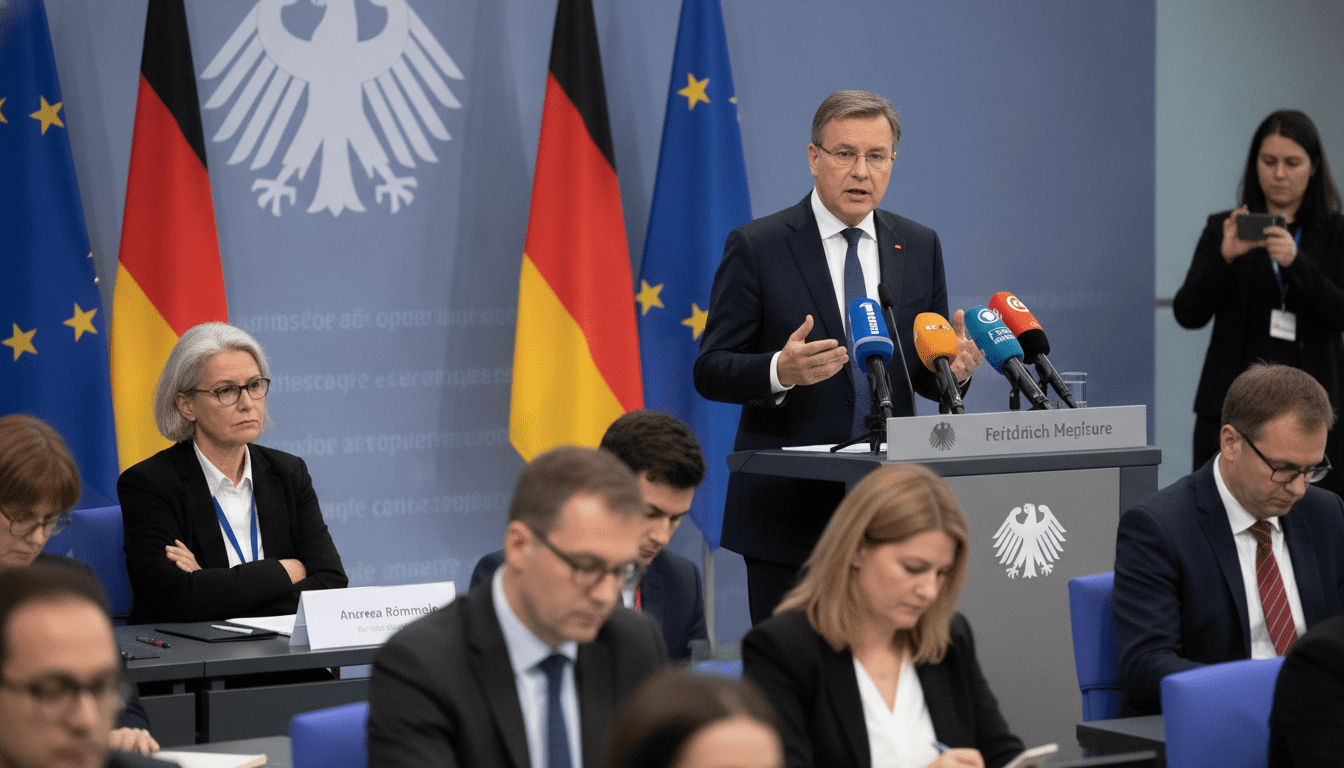
Political scientist Julia Reuschenbach, speaking at the Süddeutsche Zeitung’s Berlin office after a podcast recording, warns that trust in politics is eroding due to the Merz government’s reform push and unmet voter expectations. She argues that rebuilding that trust will require clearer communication, tangible policy wins, and institutional checks that reassure citizens.
Reuschenbach arrived from a podcast and set the agenda
Julia Reuschenbach moved directly from a podcast recording to an extended interview in the Berlin office of the Süddeutsche Zeitung, emphasizing the urgency of the topic. She framed the conversation around trust in politics, saying it is central to how citizens interpret the Merz government’s reform program. Reuschenbach made clear she was speaking as a political scientist analyzing voter behavior and institutional signals rather than as a partisan voice.
Assessment of the Merz government’s reform program
Reuschenbach described the Merz administration’s reforms as ambitious but uneven in delivery, creating a gap between promises and perceived outcomes. She noted that while some measures aim to modernize public administration and the economy, their rollout has been criticized for poor timing and limited early benefits for voters. The mismatch between headline reforms and daily life has, in her view, contributed to rising skepticism among different voter groups.
Evidence of disappointed and volatile voters
According to Reuschenbach, polling and her own research show growing numbers of voters who feel let down by recent policy choices and political rhetoric. She pointed to declines in approval ratings and increased willingness among citizens to consider alternative parties or abstain from voting. This volatility, she warned, risks becoming entrenched if political actors do not restore credibility through consistent, visible results.
How political signals and communication shape trust
Reuschenbach argued that trust in politics is shaped as much by how reforms are presented as by their substance, and that the Merz government has at times sent mixed signals. She cited examples where expectations raised by high-profile announcements were not matched by clear timelines or measurable milestones. Restoring confidence, she suggested, requires straightforward messaging, realistic promises, and regular progress updates that ordinary citizens can evaluate.
Policy and institutional steps to rebuild confidence
The political scientist recommended a combination of short-term and structural measures to regain public trust. Short-term steps include targeted, fast-impact initiatives that demonstrate government competence on issues that matter to voters, such as cost-of-living relief or streamlined services. Longer-term reforms should focus on transparency, stronger oversight, and mechanisms that tie policy pledges to measurable outcomes.
Potential electoral and political consequences
Reuschenbach warned that continued erosion of trust could reshape the political landscape, affecting coalition stability and party strategies ahead of upcoming elections. Parties that capitalize on voter disillusionment may gain ground, while established parties risk fragmentation or loss of support if they fail to offer credible alternatives. She emphasized that the immediate political cost depends on whether voters perceive a credible corrective course.
Julia Reuschenbach emphasized that rebuilding trust in politics is not only a matter of rhetoric but of institutional practice and policy delivery. She called for clearer accountability, better communication, and policies that deliver tangible improvements in citizens’ lives to reverse current trends in voter disappointment.
