
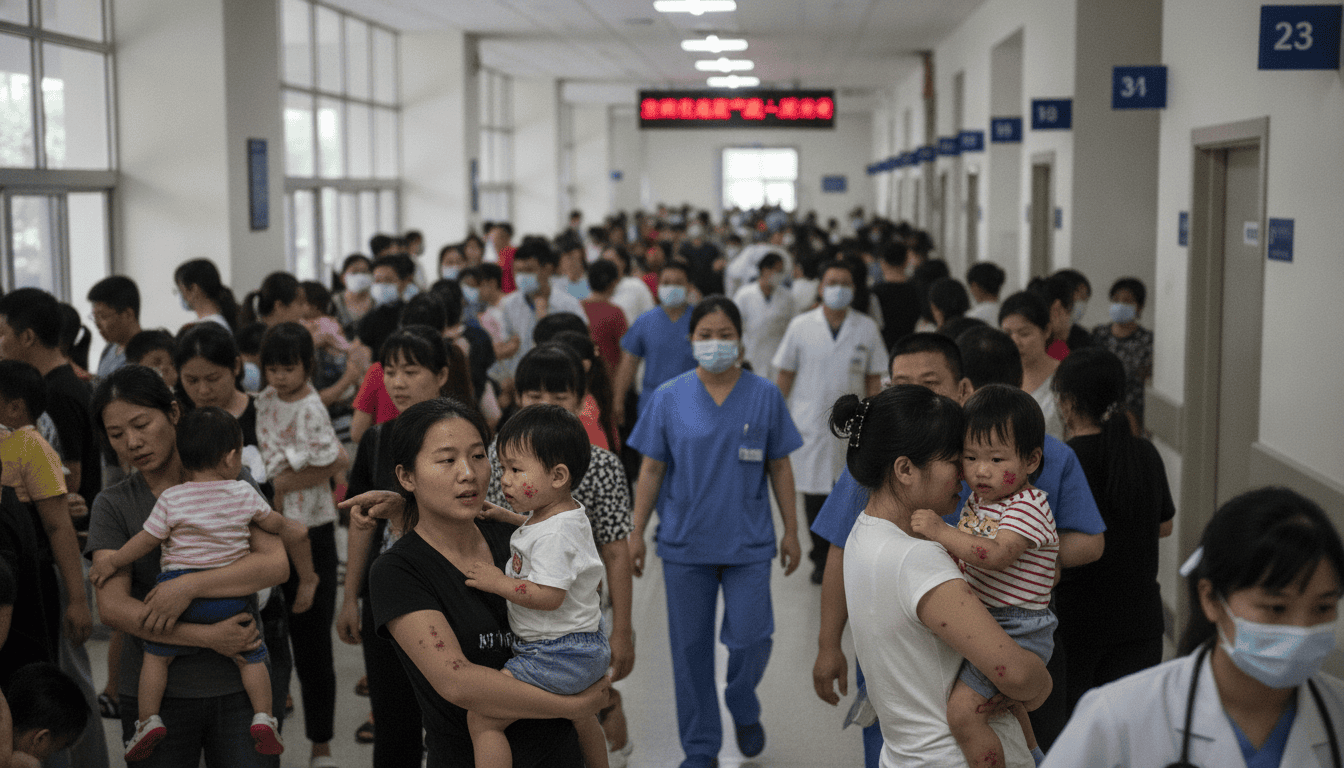
Measles Infections in U.S. Reach 35-Year High as Vaccination Rates Decline
Measles infections in the U.S. have surged to a 35‑year high: CDC reports 2,318 cases in 2026 as childhood vaccination rates dip below herd immunity.
The United States is experiencing a sharp rise in measles infections this year, with the Centers for Disease Control and Prevention (CDC) reporting 2,318 cases so far, surpassing last year’s total of 2,289. Public health officials say the tally is the highest since the large outbreaks of 1989–1991, and the spread has occurred across most states. The resurgence has renewed concern about falling vaccination coverage and the erosion of protections once taken for granted.
Nationwide Spread and Case Numbers
The CDC’s figures show measles cases reported in 45 states and Washington, with infections continuing to be logged as the year progresses. Sixteen of the identified cases are linked to travelers arriving from abroad, underscoring international importation as a persistent risk. Health authorities emphasize that the U.S. had declared measles eliminated in 2000, making the current nationwide spread particularly troubling.
Who Is Being Affected
Young people account for the majority of infections: roughly 69 percent of cases involve children and adolescents under 19 years old, and about one in five patients is under five. The concentration of cases among the young has prompted pediatricians and school officials to heighten surveillance and outreach. Public health experts warn that infants and unvaccinated children remain the most vulnerable to severe outcomes.
Hospitalizations and Clinical Impact
So far this year there have been 151 hospital admissions tied to measles, with hospitalization rates highest among the youngest patients. According to CDC breakdowns, roughly 10 percent of cases in children under five required inpatient care, compared with about 3 percent for older children and adolescents. No measles-related deaths have been reported in 2026 to date; by contrast, three deaths were recorded last year during the broader uptick in cases.
Vaccination Coverage and Herd Immunity Shortfalls
Health officials and epidemiologists point to falling vaccination coverage as a primary driver of the outbreak. Data indicate that the national two-dose MMR (measles, mumps, rubella) coverage among kindergarteners dropped to approximately 92.5 percent last year, below the roughly 95 percent threshold widely cited for herd immunity against measles. In 16 states the kindergarten MMR rate fell below 90 percent, creating pockets where transmission can take hold and amplify.
Role of Vaccine Hesitancy and Public Messaging
Public health leaders have attributed part of the decline in uptake to growing vaccine hesitancy and prominent public figures who question vaccination. Experts caution that misinformation and politicized debate over vaccines can depress coverage and leave communities exposed. William Moss, an epidemiology professor at the Johns Hopkins Bloomberg School of Public Health, described the outbreak’s timing and scope as particularly alarming given that it comes early in the calendar year and while cases continue to be reported nationwide.
Prevention Measures and Recommendations
The CDC and state health departments are urging families to check immunization records and ensure children receive two doses of MMR vaccine, which is estimated to be about 97 percent effective after the full series. Clinicians are recommending prompt vaccination for those without records and rapid case identification to limit spread. Schools, clinics, and community organizations are being mobilized to host catch-up clinics and targeted outreach in areas with low coverage.
Public health response also includes contact tracing, temporary exclusion policies for unvaccinated students during outbreaks, and travel advisories for regions with active transmission. Officials are emphasizing routine childhood vaccination as the most effective measure to prevent further expansion of measles infections and to protect infants who are too young to be fully vaccinated.
The current surge has prompted renewed discussions among policymakers and health authorities about strengthening vaccine requirements, improving access to primary care and immunization services, and countering misinformation. As cases continue to be recorded across the country, health agencies stress the urgency of restoring high vaccination coverage to prevent a return to the widespread epidemics seen in previous decades.
