
Migrant deaths in Libya: at least 15 bodies, including a child, found off Tobruk after suspected capsizing
At least 15 migrant deaths in Libya were reported after decomposed bodies washed ashore near Tobruk; survivors say about 61 people were aboard a vessel that likely capsized. Rescue teams and volunteers recovered remains along the eastern Mediterranean coast.
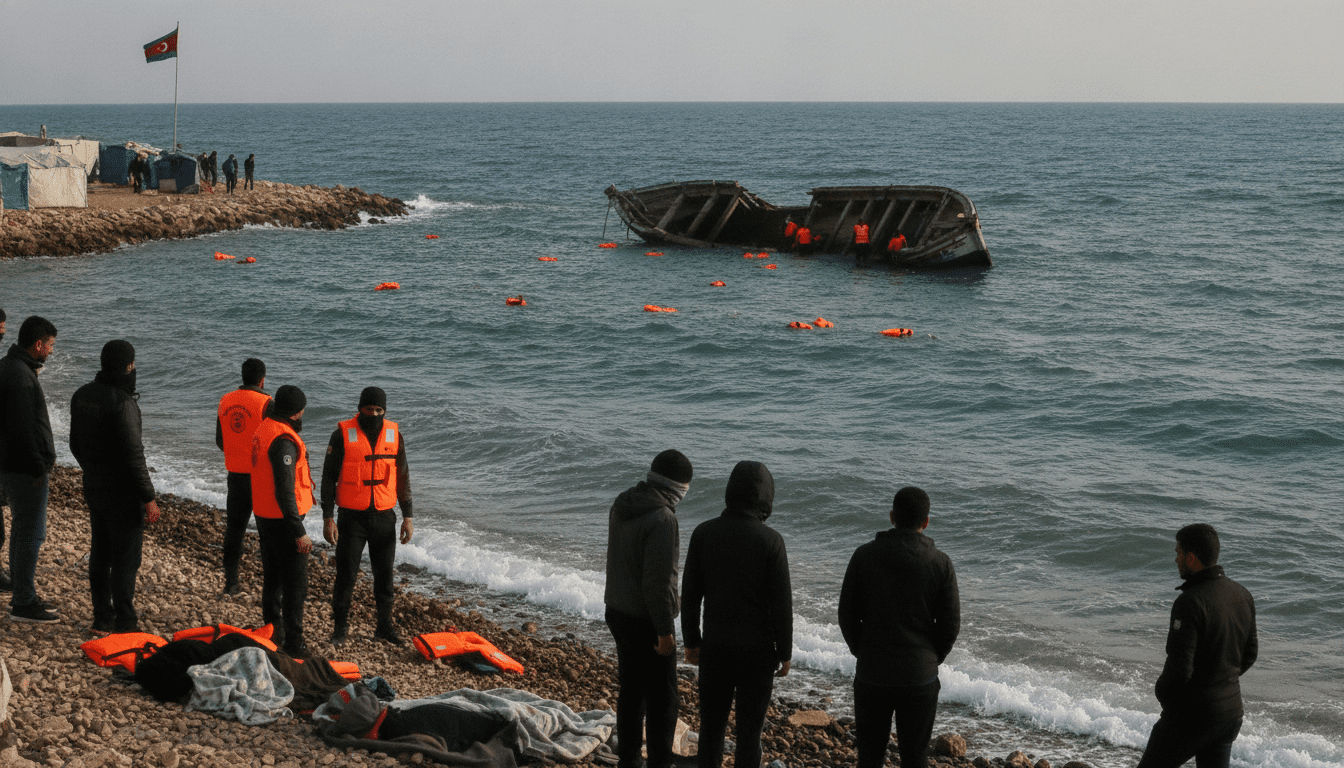
A report from security sources, naval officials and medical staff said the bodies of at least 15 migrants, including that of a girl, were found along stretches of the coast near Tobruk, a city close to the Egyptian border. A representative of the navy said ten survivors reported roughly 61 people had been on the boat, and the vessel is believed to have capsized en route across the Mediterranean.
Bodies recovered along Tobruk coastline
Rescue teams and local volunteers recovered the bodies at multiple points along rocky coastal areas east of Tobruk, officials and witnesses said. The dead included women, men and a child, and recovery teams placed the remains in white body bags as part of identification and mortuary procedures.
Security personnel engaged in the operation cautioned that further remains could still be found, since currents and winds can carry bodies along large stretches of shoreline. The scale and dispersal of the recovery suggest the boat went down some distance from where the victims were discovered.
Survivors report boat likely capsized with about 61 aboard
A navy official cited statements from ten survivors who were rescued or made landfall following the incident; those survivors told authorities about roughly 61 people being on the vessel. Based on their accounts, maritime investigators and security sources say the most likely scenario is that the boat capsized while at sea.
Authorities have not released detailed information about the survivors’ nationalities, condition or where they are being treated, but sources in the area indicated that some survivors were transferred to local medical facilities. Investigators are seeking to corroborate survivor testimony with any available maritime debris, eyewitness reports and satellite or radar data.
Condition of remains complicates identification and investigation
Two security officials said the bodies were in an advanced state of decomposition when found, complicating immediate identification and forensic work. Medics and forensic teams face heightened difficulty determining cause of death and establishing identities when remains are heavily decomposed.
Forensic and health teams typically rely on dental records, DNA samples and personal effects to identify victims, and those processes can take weeks or longer depending on resources. Local authorities have not yet issued a formal count beyond the initial figure of at least 15 recovered bodies.
Red Crescent volunteers document and assist recovery efforts
Images posted by the Libyan Red Crescent in Tobruk showed volunteers in protective white suits recovering bodies from rocky stretches and preparing them for transport. The organization’s volunteers joined security, naval and medical personnel to manage the immediate humanitarian and health-related needs at the scene.
Local humanitarian groups warned that the scale of the incident underscores persistent dangers for migrants using Libya as a transit point. Volunteers called for improved search-and-rescue capacity in the region to reduce fatalities on the Mediterranean routes.
Libya’s continued role as a migration transit route since 2011
Since the fall of Muammar al-Gaddafi in 2011, Libya has become a major departure and transit point for migrants attempting to reach Europe via the central Mediterranean. Smugglers’ boats, overcrowding and poor seaworthiness of vessels have repeatedly contributed to deadly incidents in the area.
Humanitarian groups and international agencies have long documented the risks faced by people leaving from Libya’s coast, where conflict, economic instability and limited official oversight have exacerbated the dangers of the crossing. The pattern of frequent maritime tragedies has prompted repeated appeals for better regional coordination on rescue operations and safe alternatives for migrants.
Authorities and aid groups urge enhanced maritime response and cooperation
Officials and aid organizations in the region stressed the need for stepped-up search-and-rescue capacity and stronger cooperation between coastal states to prevent future loss of life. Increased monitoring, faster response times and safe disembarkation mechanisms were cited as critical measures to reduce casualties on this route.
Regional and international actors have previously debated how best to share responsibility for maritime rescues and support for migrants intercepted at sea, and this latest incident is likely to revive calls for renewed action. For now, local teams continue recovery work and efforts to identify victims while survivors receive medical care.
The discovery of multiple decomposed bodies along the Tobruk coast is a stark reminder of the human cost of perilous Mediterranean crossings and of the ongoing challenges faced by migrants and responders in the eastern Libyan corridor.
