
Israel’s Ministry of National Security to transfer 4 million shekels to sanctioned settler group Ahavat Gilad
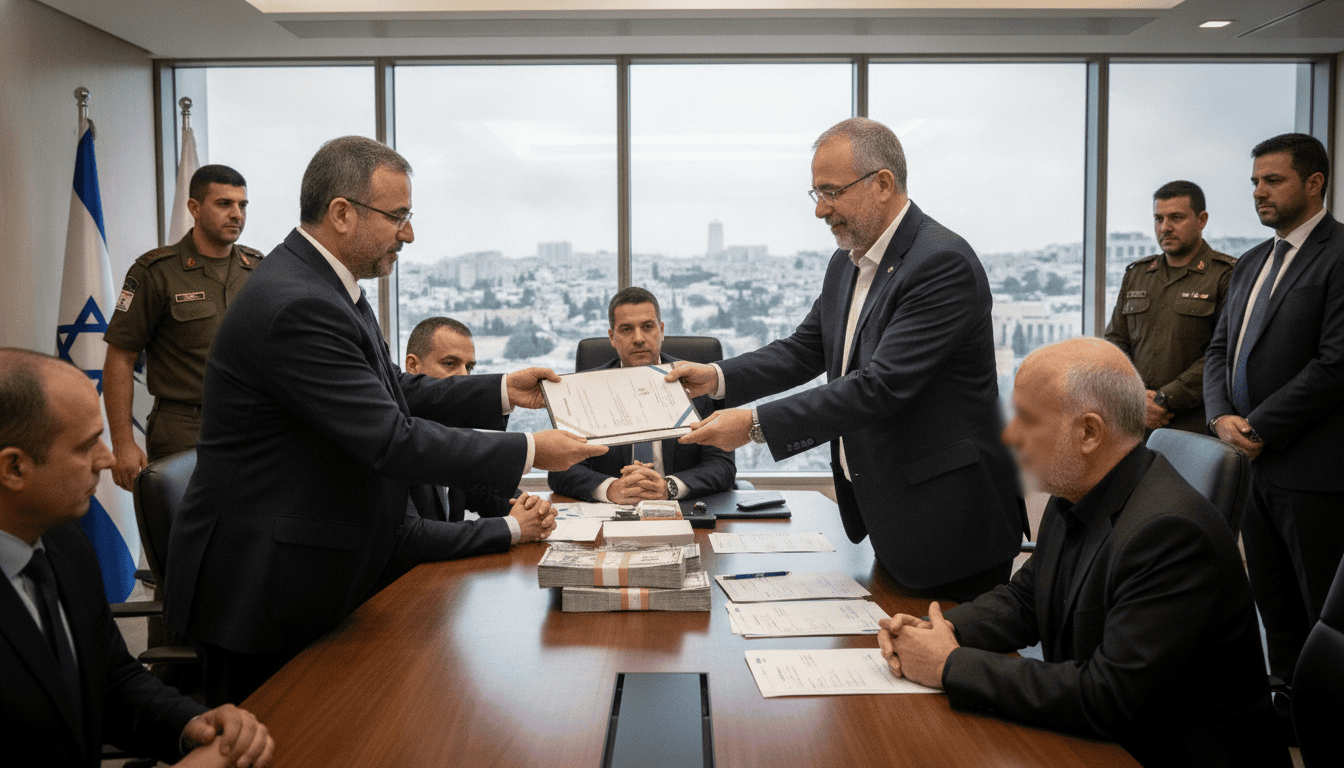
Israel’s Ministry of National Security will transfer 4 million shekels to sanctioned settler group Ahavat Gilad to fund youth mentors and curb violence.
Israel’s Ministry of National Security, led by far-right politician Itamar Ben Gvir, plans to transfer 4 million shekels to Ahavat Gilad, a group that was sanctioned in June by multiple Western governments, according to Israeli media reports. The payment, disclosed in ministry documents reported by Haaretz, is described by officials as part of a program to reduce incidents of violence and to establish a network of mentors for youth on settler farms in the West Bank. The planned disbursement is scheduled over 18 months with the possibility of extension, a timetable that raises questions among critics and diplomats.
Ministry files detail payment timetable and purpose
The ministry documents reported by Haaretz set out a schedule for the 4 million shekel allocation and frame the funds as responses to a perceived “negative phenomenon among youth” in Judea and Samaria. Officials say the money will support mentors who accompany young people living on farms and will be targeted at reducing violent incidents linked to settler activity. The paperwork also notes the potential for an extension beyond the initial year and a half, indicating this could become a recurring budgetary commitment.
Background on Ahavat Gilad and international sanctions
Ahavat Gilad, which advocates for and supports settlements in the West Bank, was one of six entities sanctioned in June by France, the United Kingdom, Canada, Norway, Australia and New Zealand. Those governments said the group had been involved in facilitating and financing a spike in settler violence, including channeling donations to illegal outposts. International sanctions focused on the group’s connections with the Farms Union, an organization that provides financial and logistical support to settler farms and has been linked to transfers of funds to unauthorized sites.
Government rationale for funding youth programs
Israeli officials presenting the plan describe the payments as preventive and rehabilitative measures aimed at youth on farms, with mentors to oversee day-to-day activities and to discourage escalation into violence. The ministry’s stated objectives include improving supervision, offering structured activities, and reducing confrontations with Palestinians and security forces. Supporters within the government argue that a domestic program addressing youth behavior is necessary to restore order in rural settler communities and to prevent further deterioration of security in the area.
Reactions from rights groups and foreign governments
Human rights organizations and some diplomats have expressed alarm at the decision, arguing that funding routed to a sanctioned group could effectively legitimize illegal outposts and further inflame tensions. Critics warn that the distinction between mentoring programs and support for settlement expansion is porous, and they call for closer scrutiny of how the funds will be spent. The states that issued the June sanctions have not publicly reversed their designations, and the potential for diplomatic friction has been raised by legal and policy experts observing the announced transfer.
Legal and political implications inside Israel
Within Israel, the move illuminates deep rifts in the governing coalition and highlights the influence of hardline figures who prioritize settlement support in the West Bank. Legal analysts say the transfer may prompt domestic court challenges or parliamentary inquiries if opponents contend that public money will sustain activities deemed illegal under Israeli or international law. Politically, the payment decision is likely to be framed by supporters as law-and-order policy and by opponents as an endorsement of extralegal settlement activity, intensifying debate ahead of any extension decisions.
Security context and trends in settler violence
The ministry’s plan comes amid a documented surge in settler attacks on Palestinians across the occupied West Bank, a trend that prompted the government in May to approve a national plan addressing youth behavior in those areas. Observers note that episodes of violence have involved organized networks as well as ad hoc groups, and that financial flows to outposts can enable both infrastructure and confrontational tactics. The Farms Union’s reported role in channeling donations underscores how economic support can translate into physical expansion and security incidents, complicating efforts to separate social programs from political outcomes.
The announced transfer to Ahavat Gilad is likely to draw continued attention from Israeli courts, foreign governments, and rights groups, and it may become a focal point for wider debates over settlement policy and state funding. Officials who back the payments maintain they are a pragmatic response to a local security problem, while critics insist that any domestic support for sanctioned actors risks undermining Israel’s international standing and could perpetuate the cycle of violence on the ground.
