
Israel ceasefire violations persist seven months after US-mediated truce
Seven months after a US-mediated truce, Israel ceasefire violations in Gaza continue with near-daily strikes, tight siege and mounting humanitarian suffering.
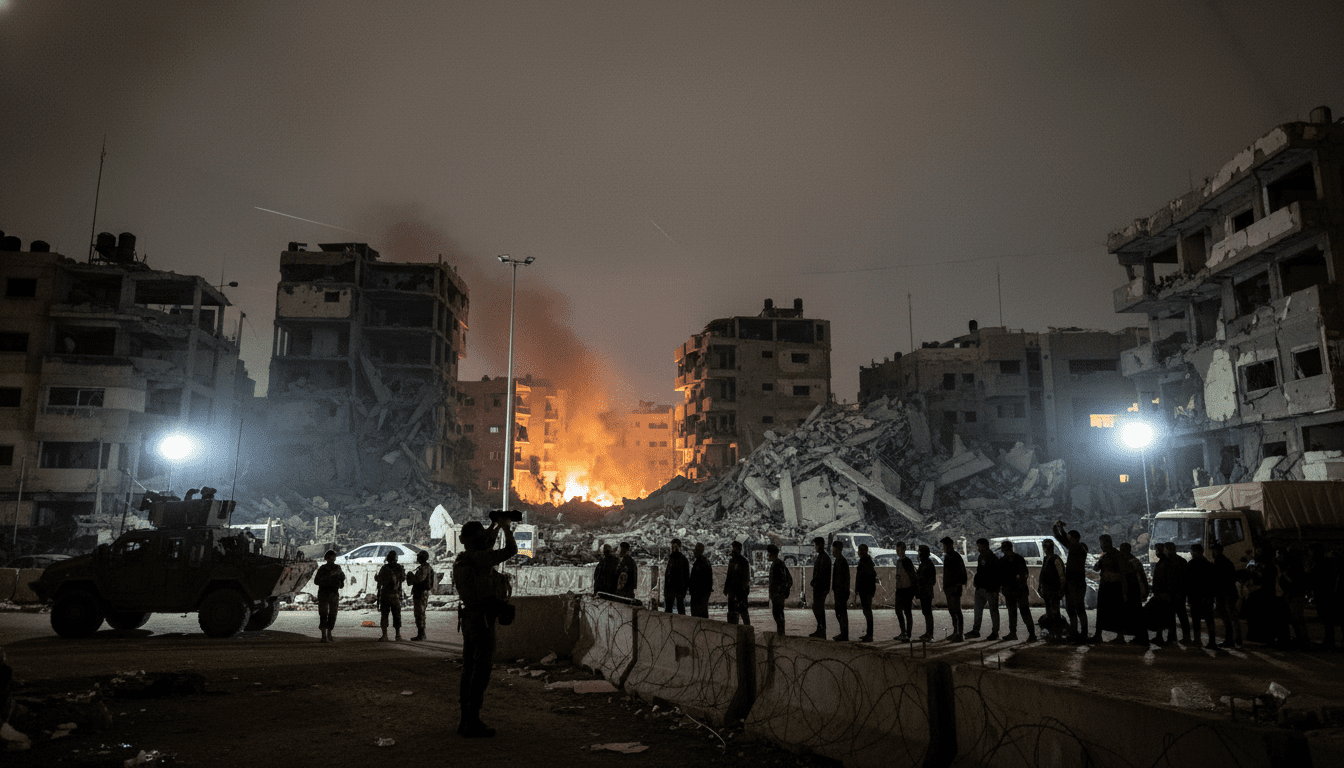
More than seven months after a US-mediated ceasefire intended to halt a two year military campaign in Gaza, reports show Israel ceasefire violations have continued at a lower but persistent tempo. Monitoring groups and humanitarian agencies say near daily strikes, restrictions on aid and targeted operations have undermined the stability the truce was supposed to deliver. Officials on both sides and independent observers describe a fragile pause that has repeatedly been punctured by military actions and accusations of breaches.
US mediated agreement and its stated goals
The ceasefire was brokered with US involvement and announced as a measure to reduce violence and open humanitarian channels to Gaza. Diplomats presented the truce as a step to end large scale hostilities and to allow urgent relief to reach civilians.
Since the announcement, the agreement has remained in place nominally, but its parameters have been contested by the parties. International interlocutors stressed compliance and monitoring, while field reporting has documented frequent departures from agreed restrictions on operations.
Near daily Israeli strikes despite the truce
Independent monitors and local sources report that Israeli forces have continued to conduct air and ground strikes at lower intensity than during peak fighting. These incidents, described as near daily by multiple observers, have hit urban areas and the outskirts of population centers.
The pattern shows spikes of activity followed by relative quiet, rather than a single return to sustained peace. Residents and aid workers say the continued strikes create an environment of insecurity that complicates relief missions and civilian movement.
Restrictions on movement and siege conditions
Humanitarian agencies say the enclave remains under tight restrictions that limit entry of food fuel medical supplies and reconstruction materials. Checkpoint controls, naval and aerial blockades and bureaucratic hurdles have been cited as persistent barriers to restoring services and economic activity.
Aid groups report that limited convoys often face delays and that distribution is uneven across Gaza. Medical facilities continue to operate under strain, with shortages of essential medicines and power interruptions affecting treatment capacity.
Israeli military cites Palestinian breaches for operations
Israeli military statements have framed many of the ceasefire departures as responses to alleged breaches by Palestinian armed factions. Officials have identified rocket fire incursions and tunnel movements as justifications for targeted strikes and raids.
Palestinian groups deny some of these accusations or characterize their actions as defensive or retaliatory after Israeli operations. The reciprocal claims have contributed to an environment where each side invokes security grounds to justify renewed use of force.
Humanitarian agencies document civilian toll
Multiple humanitarian organizations monitoring Gaza report continued civilian casualties displacement and damage to infrastructure since the truce took effect. These reports highlight the gap between the formal existence of a ceasefire and the lived experience of residents facing insecurity and shortages.
Aid groups warn that protracted restrictions and intermittent strikes aggravate public health problems and undermine the capacity to rebuild basic services. Observers emphasize that consistent humanitarian access and protection for civilians are essential to prevent further deterioration.
Diplomatic responses and monitoring efforts
International actors including the United States and regional partners have urged compliance with the truce and called for mechanisms to investigate alleged violations. Diplomatic channels remain active as mediators seek to reinforce the agreement and expand humanitarian corridors.
Monitoring by third party organizations has improved transparency but has not eliminated disputes over responsibility for specific incidents. Calls for independent investigations and enhanced verification measures continue amid pressure to prevent escalation.
Despite the lower intensity of operations compared with the peak of hostilities, the persistence of Israel ceasefire violations has prevented a meaningful return to normalcy for Gaza residents. Until parties agree on clear enforcement measures expanded aid access and credible monitoring, the truce risks remaining a fragile pause rather than a pathway to lasting stability.
