
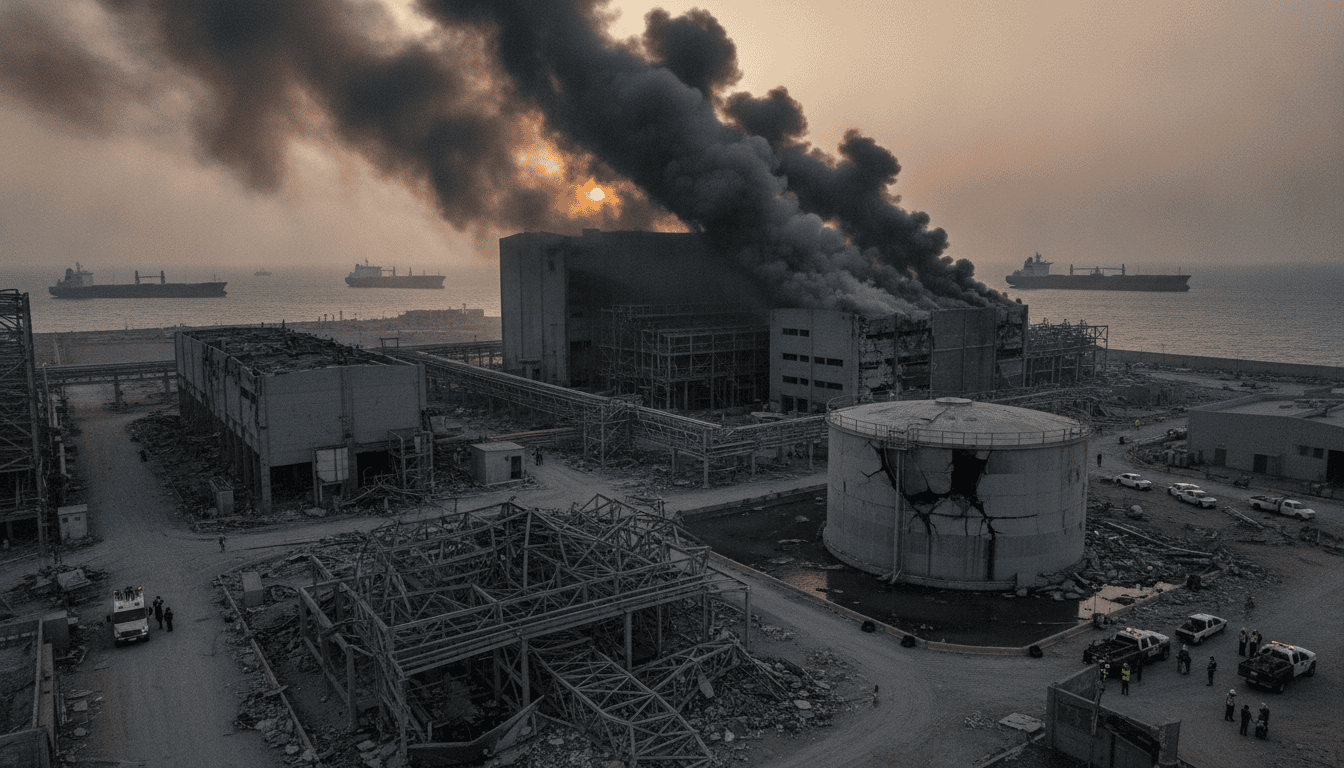
Iranian Strikes on Kuwait Power and Desalination Plant Threaten Water and Electricity Supply
Iranian strikes on Kuwait’s power and desalination plant on July 20, 2026, struck critical infrastructure, risking water and electricity supplies in the Gulf.
Iranian strikes on Kuwait’s power and desalination plant on July 20, 2026, targeted a major facility that provides both electricity and desalinated water to population centers. The attack raised immediate concerns about service disruptions and the resilience of Gulf critical infrastructure. Kuwaiti officials and regional observers warned that even limited damage could have wide-reaching effects on civilian supplies.
Strikes Damage Major Power and Desalination Facility in Kuwait
Reports indicate the strikes hit a combined-cycle power station linked to a large seawater desalination complex located near Kuwait’s coastal grid. The facility supplies both bulk electricity and a significant share of potable water, making it a strategic asset for daily life and industry. Initial assessments by technical teams were ordered to establish the extent of structural and operational damage.
Immediate Impact on Electricity and Water Services
Preliminary emergency notices warned of potential rolling power outages and reduced desalination output while engineers work to assess and repair systems. Households and businesses in affected districts could face intermittent electricity loss and tightened water rationing if production remains constrained. Authorities emphasized contingency measures to limit disruption while repairs proceed.
Kuwaiti Authorities Mobilize Emergency Response
Kuwaiti emergency services and energy operators activated crisis protocols to isolate damaged units and maintain minimum service levels. Backup power generation and stored water reserves were readied to support hospitals and essential services. Government statements said technical inspection teams would prioritize restoration of desalination capacity to protect potable water availability.
Regional Security Concerns Among Gulf States
The strikes heightened unease across Gulf Cooperation Council capitals about the vulnerability of shared energy and water systems to cross-border attacks. Gulf states depend heavily on desalination plants and centralized power networks, making the protection of such infrastructure a regional priority. Diplomatic and security consultations were expected to take place to coordinate contingency planning and mutual assistance.
Critical Infrastructure Vulnerability Spotlighted
Analysts noted the incident underscores long-standing risks to coastal desalination and power complexes that serve densely populated urban areas. Repair timelines for combined power-desalination plants can be lengthy, especially if key intake, pre-treatment or high-voltage systems are affected. The event may prompt accelerated investment in redundancy, distributed generation and fortified protection for water and electricity assets.
International Response and Diplomatic Implications
The strikes prompted expressions of concern from foreign ministries and international organizations calling for restraint and the safeguarding of civilian infrastructure. Ambassadors and envoys were reported to seek clarity on the circumstances of the attack and to urge rapid de-escalation. The incident is likely to shape diplomatic engagements and could lead to calls for independent investigations into the damage and its humanitarian implications.
The damage to Kuwait’s plant on July 20, 2026, has immediate humanitarian and economic implications as authorities work to restore services and reassure residents. Restoring desalination output and stabilizing the power grid are top priorities for emergency teams, and the broader Gulf region is watching whether this event prompts new security measures for critical infrastructure.
