
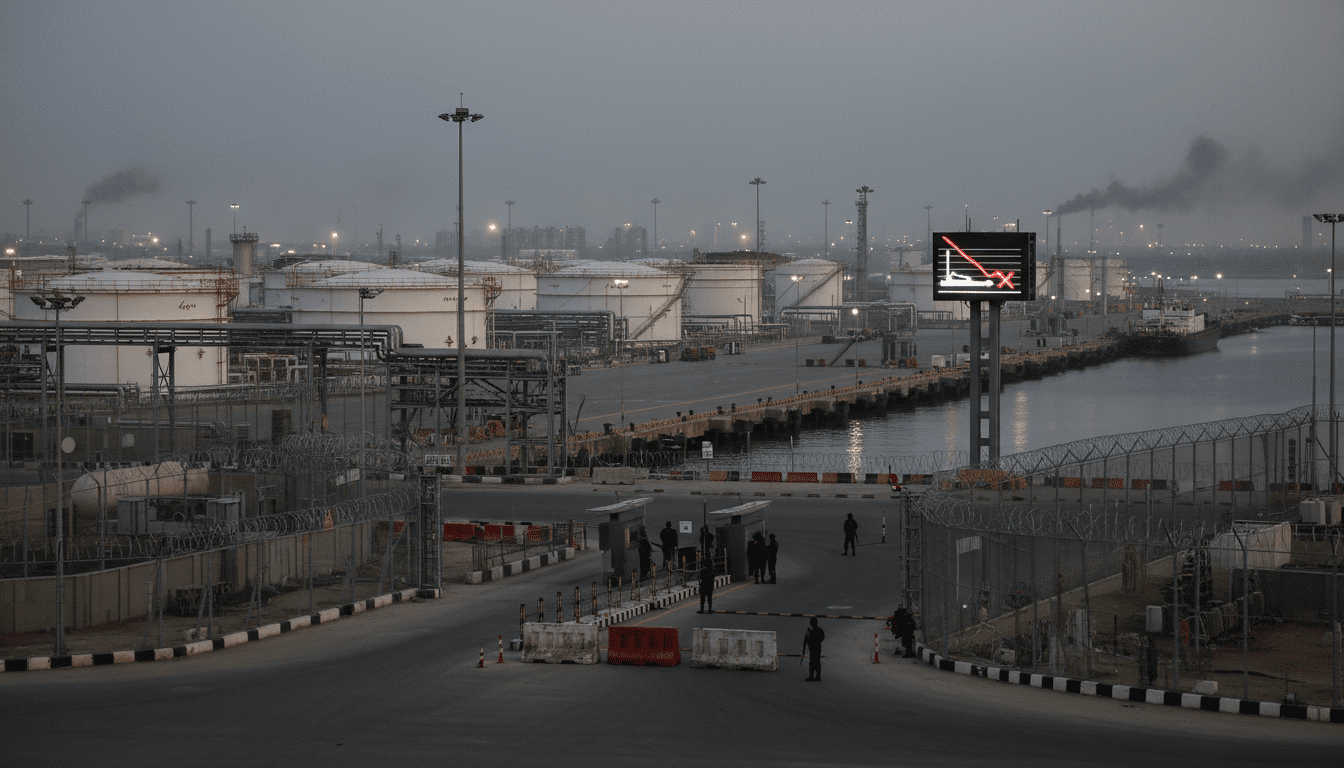
Iran halts petrochemical exports after April 13 directive to prioritise domestic supply
Iran halts petrochemical exports after an April 13, 2026 directive to prioritise domestic supply; firms told to suspend shipments until further notice.
Iran has ordered an immediate suspension of petrochemical exports to stabilise domestic supply chains after reported damage to production hubs, a move that was confirmed in an April 13, 2026 instruction, according to the economic newspaper Donya-e-Eqtesad and Reuters reporting. The decision, aimed at securing raw materials for local industry, instructs petrochemical companies to halt shipments until authorities determine that domestic needs are met. Officials described the measure as necessary to prevent shortages of feedstocks that underpin a range of manufacturing sectors. The directive signals a rapid policy shift with implications for regional trade and industry operations.
Iran Orders Immediate Suspension of Petrochemical Exports
The directive was issued on April 13, 2026 by a senior official at the National Petrochemical Company overseeing downstream industries, who instructed firms to suspend exports until further notice. Donya-e-Eqtesad reported the order, and Reuters confirmed the publication of the instruction in its coverage of the government move.
The suspension covers petrochemical shipments outbound from Iran and is intended as a temporary, precautionary measure rather than a permanent trade embargo. Companies were told to prioritise deliveries to domestic manufacturers while authorities assess production capacity and supply needs.
Directive Points to Domestic Supply and Industrial Prioritisation
Iranian authorities cited the need to ensure continuous supplies of raw materials to home industries as the primary reason for the export halt. The government framed the move as a stabilization effort to prevent downstream shortages that could ripple through sectors reliant on petrochemical feedstocks.
Domestic users of petrochemicals include producers of plastics, fertilizers, industrial chemicals and other inputs that feed into construction, agriculture and manufacturing. Officials signalled that prioritising these domestic deliveries was essential to avert immediate operational disruptions across those sectors.
Strikes Reportedly Damaged Petrochemical Hubs and Disrupted Output
The export suspension follows reports that several petrochemical facilities were struck, causing damage that disrupted production at key hubs. Iranian media and international outlets reported that the attacks led to a decline in output, prompting the state-linked instruction to secure internal supplies.
Details about the extent of the damage and the specific facilities affected were limited in initial reports, and authorities have not published a comprehensive damage assessment. The government appears to be treating the production shortfall as significant enough to warrant an immediate reallocation of available product to internal markets.
Short-term Market Measures and Allocation Controls Expected
Industry analysts say the move is likely to be accompanied by short-term allocation measures, including targeted supply quotas and prioritised deliveries to critical manufacturers. State agencies may implement rationing mechanisms to distribute available feedstocks to sectors deemed essential for economic stability.
Companies with existing export contracts could face renegotiations or delays, and the National Petrochemical Company may issue guidelines on permissible domestic allocations. The speed of repairs and restoration of normal production will determine how long such measures remain in place.
Potential Impact on Regional Trade and Commodity Flows
Iran is a notable supplier of petrochemical products in regional markets, and a sudden halt to exports can create supply gaps for buyers that rely on Iranian shipments. Importers in neighbouring countries and beyond may seek alternate sources or dip into inventories while assessing the duration of the suspension.
Markets for certain petrochemical derivatives could see short-term price pressure if demand outstrips the adjusted supply available from other producers. Traders and downstream manufacturers monitoring regional logistics and freight movements may reconfigure procurement plans in response to the interruption.
Industry Reaction and Government Oversight Ahead
Petrochemical firms were reported to be implementing the instruction while awaiting further guidance from regulators and the National Petrochemical Company. Corporate sources indicated that companies are prioritising domestic contracts and adjusting export schedules to comply with the suspension.
Government agencies are expected to monitor domestic inventories closely and may coordinate with producers to ensure an orderly allocation of materials. Authorities have not provided a timeline for lifting the export ban, underscoring uncertainty for both domestic and foreign stakeholders.
The situation remains fluid as Iran manages production shortfalls and seeks to mitigate risks to local industry while balancing trade commitments and commercial considerations. Further official statements and damage assessments will be crucial for companies and markets trying to gauge when normal export operations might resume.
