
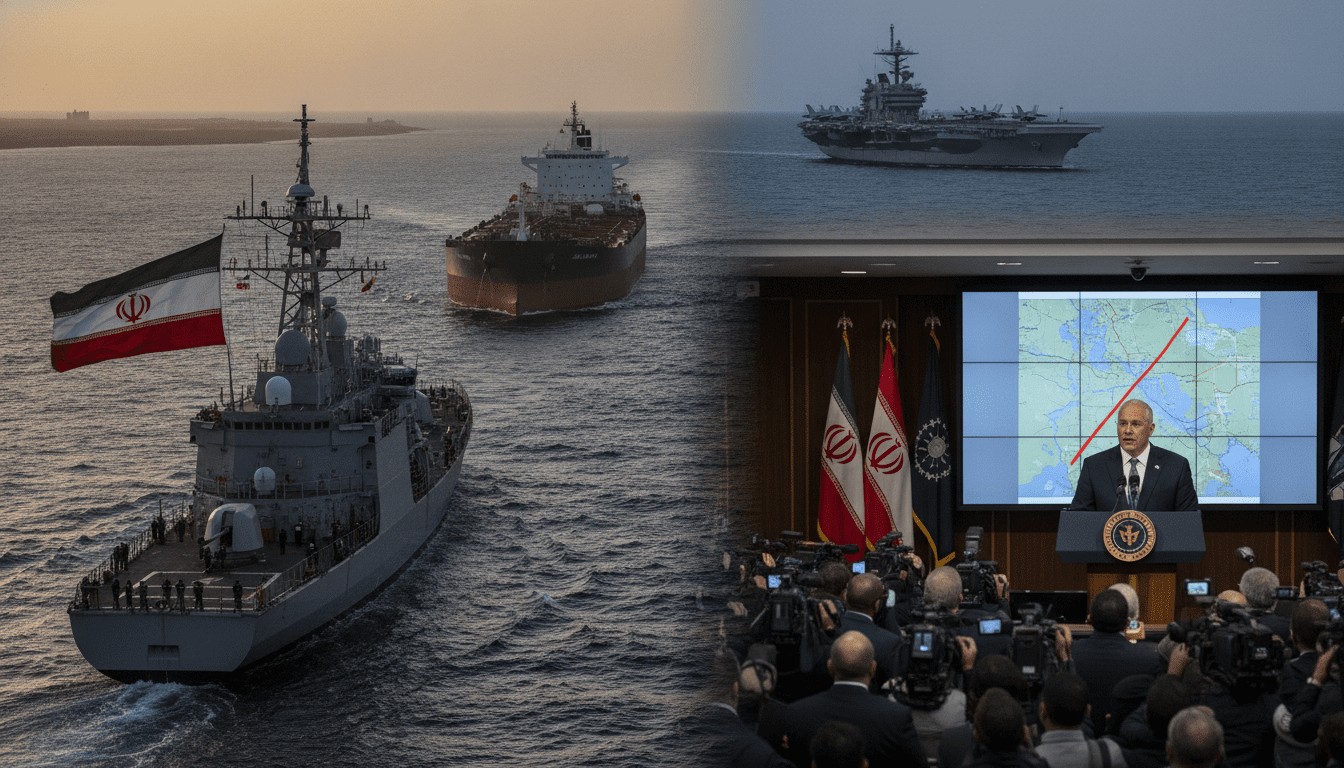
Iran Closes Strait of Hormuz Again, Citing Israeli Attacks; U.S. Vows to Enforce Freedom of Navigation
Iran announces a Strait of Hormuz closure on June 20, 2026, saying the measure responds to renewed Israeli strikes in southern Lebanon and alleging violations of a recent ceasefire. The announcement immediately raised concerns for global shipping and energy markets as Washington reiterated its commitment to keep the waterway open. (worldoil.com)
Iran Announces Closure of Strait of Hormuz
Iran’s Khatam al-Anbiya central military command said early on June 20 that the Strait of Hormuz would be closed to all shipping after what it described as continued attacks on allied forces in southern Lebanon. The statement framed the move as a defensive measure tied to regional hostilities and warned that vessels attempting passage could be regarded as participating in hostile acts. The order follows a period in which the strait had been partially reopened under a temporary U.S.-Iran understanding earlier this month. (worldoil.com)
Tehran Links Closure to Israeli Strikes in Southern Lebanon
Iranian officials explicitly tied the closure to what they described as sustained Israeli military operations in southern Lebanon, asserting those strikes breached the terms of a fragile ceasefire. Tehran’s joint military command portrayed the action as proportional retaliation and a lever to compel international attention to violence in Lebanon. The claim has been echoed across state-affiliated outlets and framed as justification for reasserting control over the strategic waterway. (apnews.com)
U.S. Military Reaffirms Freedom of Navigation Operations
The U.S. military immediately responded by reiterating that it would continue to enforce freedom of navigation through the strait and to escort merchant vessels when necessary. U.S. Central Command has signalled that naval and air assets remain active in the region under operations designed to keep commercial traffic moving and to deter aggressive interdiction. Washington has framed these operations as consistent with international law and has previously described them as part of a “Project Freedom” initiative to guide ships safely through the choke point. (icis.com)
Shipping Flow and Market Vulnerability
The closure has created immediate uncertainty for carriers and energy traders, even as some commercial traffic continued to pass through the waterway under military escort. Central Command reported that dozens of merchant vessels had transited the strait in recent days, carrying millions of barrels of crude, but analysts warn that a sustained shutdown could quickly tighten supply and lift benchmark oil prices. Shipping insurers and charterers are likely to reassess transit risks, which could increase freight costs and prompt detours that add days and expense to global supply chains. (worldoil.com)
Diplomatic Response and International Appeals
European and regional partners urged restraint while calling for an immediate return to diplomatic channels to prevent further escalation. Several capitals said they were consulting with both Washington and Tehran to clarify the terms of recent agreements and to press for steps that would restore safe passage in the strait. International bodies and commercial associations have also urged all parties to avoid actions that could imperil civilian shipping and global energy stability. (theguardian.com)
Legal and Strategic Stakes for the Region
Maritime lawyers note the closure raises complex questions under the United Nations Convention on the Law of the Sea and customary rules governing transit passage through international straits. While coastal states exercise sovereignty in their territorial seas, the convention generally protects peaceful passage of foreign-flagged vessels; unilateral interdiction of transit lanes risks legal confrontation and broader naval incidents. Strategists warn that repeated closures or interdictions would increase the likelihood of miscalculation between Iran and navies operating in the area. (apnews.com)
The renewed shutdown of the Strait of Hormuz marks a sharp reversal in a month that had seen tentative moves toward de-escalation and reopening of channels for trade. With the U.S. declaring an active role in keeping the corridor open and Iran linking its actions to developments in Lebanon, regional tensions have entered a new and unpredictable phase that market participants and diplomats will watch closely. The situation remains fluid and susceptible to further military, political, or diplomatic developments that could determine whether passage through one of the world’s most critical maritime chokepoints will soon be secured or further imperiled.
