
Iran and Oman Reaffirm Commitment to Free Navigation in the Strait of Hormuz
Iran and Oman reaffirm free navigation in the Strait of Hormuz, citing international law and urging diplomatic steps as Washington and Tehran seek a memorandum.
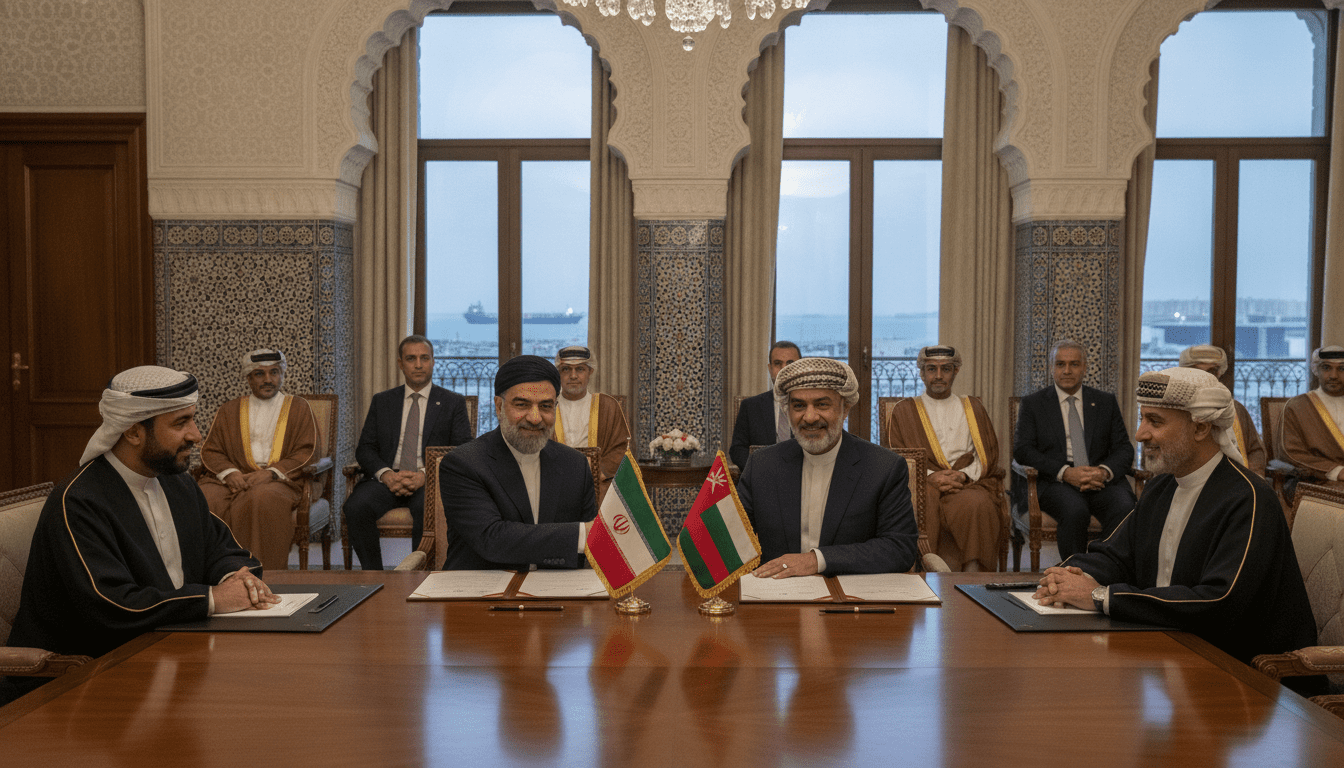
Iranian and Omani foreign ministers on Tuesday reaffirmed their countries’ commitment to ensuring free and safe passage through the Strait of Hormuz, emphasizing adherence to international law as the United States and Iran prepare a memorandum of understanding. The call, between Iran’s Abbas Araghchi and Oman’s Badr bin Hamad Al Busaidi, was reported by the Oman News Agency and focused on preserving maritime security in the strategic waterway. Both ministers also expressed hope that diplomatic initiatives in the coming days would help stabilize the wider region.
Ministers stress legal framework for navigation
During a phone conversation, the two ministers underscored their shared view that navigation through the Strait of Hormuz must be governed by established international legal norms. Oman News Agency reported that Araghchi and Al Busaidi reiterated respect for rules that protect the safe movement of commercial and civilian vessels. The discussion was framed as a reaffirmation of duties owed by coastal states and transit states to ensure maritime security.
The ministers framed their remarks against the backdrop of an expected memorandum between Washington and Tehran later this week, saying that any such arrangement should reinforce legal guarantees for ships transiting the strait. They conveyed cautious optimism that diplomatic engagement could reduce risks to shipping and create conditions for a constructive political process in the region.
Forthcoming U.S.-Iran memorandum noted but details scarce
Officials did not publicly disclose the substance of the planned memorandum of understanding between the United States and Iran beyond characterizing it as significant for regional stability. Oman’s foreign minister and his Iranian counterpart spoke of coordination and consultation but provided no details on timelines, scope or verification mechanisms. Observers said the mere prospect of a U.S.-Iran understanding has prompted allied states and commercial operators to monitor developments closely.
Analysts cautioned that while memoranda can signal goodwill, their operational impact depends on implementation and buy-in from regional actors, including Gulf states that rely on the strait for energy exports. The ministers’ emphasis on international law was therefore presented as a way to anchor any bilateral steps in multilateral obligations.
Strait of Hormuz’s strategic role highlighted
The Strait of Hormuz remains one of the world’s most consequential maritime chokepoints, carrying a substantial portion of global oil and liquefied natural gas shipments at any given time. Its narrow lanes and heavy commercial traffic mean that disruptions can have outsized effects on energy markets and global supply chains. Both Tehran and Muscat stressed that preserving uninterrupted commercial access is vital not only for regional economies but for global energy security.
Oman has historically played a stabilizing role in the Gulf and frequently acts as a diplomatic interlocutor between Tehran and Western capitals. That history formed part of the context for the ministers’ conversation, as both sides signaled a preference for rules-based management of maritime passage rather than unilateral measures.
Regional security context and diplomatic signals
The ministers also framed their exchange within a wider security context marked by heightened tensions involving Iran and other states in the region. They expressed hope that intensified diplomatic efforts would help deescalate recent hostilities and open space for political dialogue. Oman’s role as a mediator was implicitly invoked as the two sides sought to translate verbal commitments into practical confidence-building measures.
Foreign policy experts noted that reaffirmations of free navigation are often used as signals to commercial operators and allied governments, aiming to calm markets and deter escalation. The ministers’ remarks thus serve both as a public reassurance to shipping interests and as a diplomatic prompt to other states with stakes in Gulf stability.
Implications for shipping, insurers and energy markets
For shipowners, insurers and charterers, explicit commitments from littoral states carry practical weight, influencing routing decisions, insurance premiums and the readiness of naval escorts. Market participants said clear, enforceable assurances about freedom of passage can reduce the immediate economic fallout from geopolitical frictions. Governments and maritime agencies typically monitor such diplomatic exchanges to decide whether to update travel advisories or naval patrol patterns.
Energy market watchers said that even measured diplomatic language can temper short-term volatility, but lasting effects depend on follow-through. If the planned U.S.-Iran memorandum is implemented with concrete safeguards for commercial navigation, analysts said it could lower perceived risks along key sea lanes, though regional dynamics would continue to shape longer-term assessments.
The ministers concluded the call by reiterating their countries’ commitment to international legal principles governing maritime transit and by calling for intensified diplomatic work to preserve security and stability across the Gulf. Both Tehran and Muscat indicated that they would continue consultations as the broader diplomatic picture evolves.
