
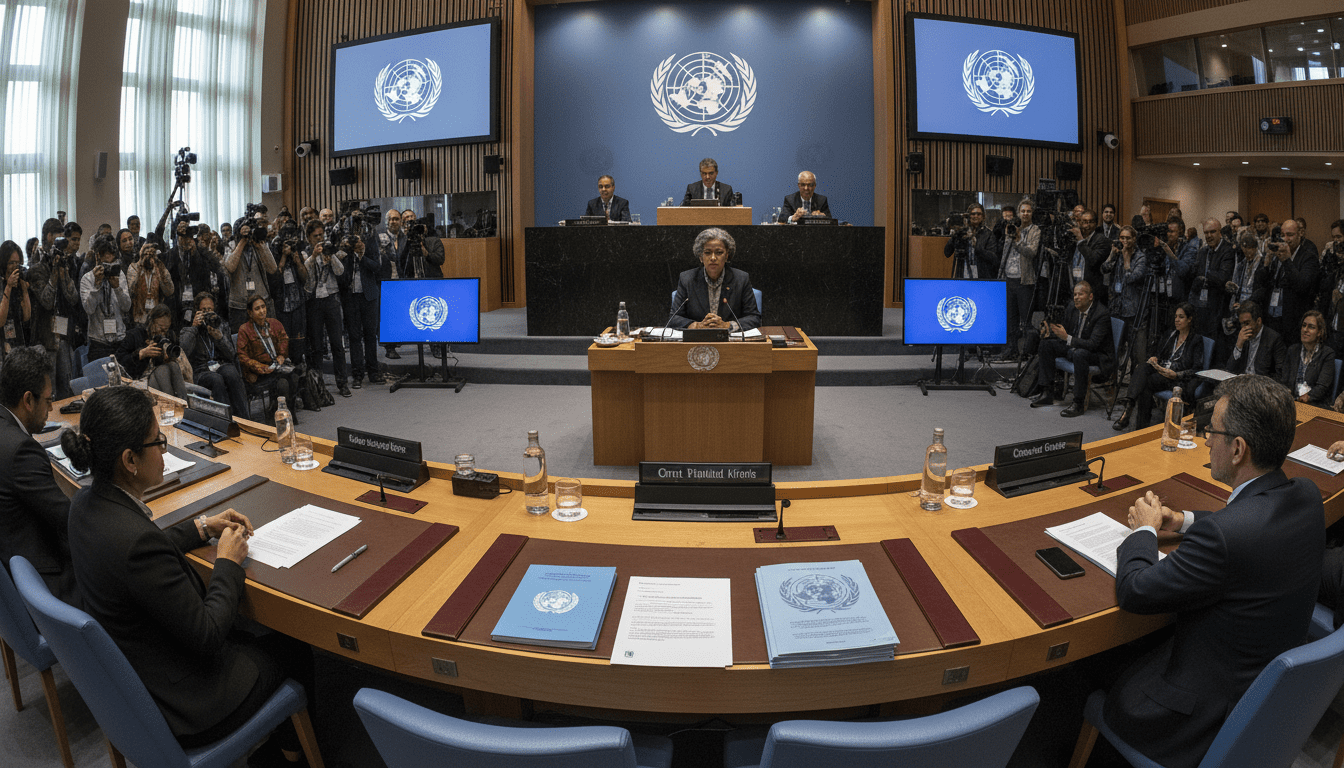
Report: Hamas sexualized violence used systematically as a war weapon, commission finds
Independent report finds Hamas sexualized violence used systematically as a war weapon on October 7, 2023, supported by survivor testimony and digital evidence.
An independent commission’s report concludes that Hamas sexualized violence was employed as a deliberate tactic during the October 7, 2023 attacks on Israel, presenting extensive survivor testimony, forensic data and a large digital archive. The document, running close to 300 pages, compiles more than 430 firsthand interviews and thousands of images and videos that investigators say were largely recorded and shared by perpetrators. The report frames these materials as evidence of repeated, patterned abuses rather than isolated criminal acts.
Commission collected 430 survivor interviews
The commission interviewed 430 survivors and witnesses to document the scale and character of the violence, according to the report’s summary findings. Testimonies detail brutal assaults, mutilations and fatal attacks alongside accounts of mockery and humiliation directed at victims. Investigators say the volume and consistency of those interviews helped establish patterns and link individual incidents to wider operational conduct.
The testimonies include graphic descriptions of sexualized mutilation and desecration of bodies, with survivors describing efforts to document abuse on site. Interviewers reported that many victims identified perpetrators and circumstances, enabling cross-referencing with other evidence streams. The commission emphasizes that the survivors’ accounts are corroborated by medical records, witness statements and video material.
Forensic evidence and a digital archive exceed 10,000 items
Forensic teams supporting the inquiry compiled medical and forensic analyses alongside a digital archive of more than 10,000 photographs and videos, most of which the report says were created and posted by the perpetrators. Investigators used geolocation, metadata and material analysis to verify the provenance of many files. These technical methods are cited as key to confirming timelines and linking digital posts to documented incidents.
The forensic component also includes autopsy summaries, injury reports and material evidence suggesting systematic patterns in the conduct of the attacks. Where possible, forensic findings aligned with survivor statements, providing independent corroboration. The report notes that the prevalence of self-recorded perpetrator material is an unusual element that amplified opportunities for verification.
Report identifies 13 recurring patterns of sexual and gender-based violence
Researchers identified 13 distinct, recurring patterns of sexual and gender-based violence that appeared across multiple testimonies and pieces of evidence. The catalogue of patterns ranges from targeted sexual assaults to public humiliation, forced nudity and the use of sexual violence as a means of terrorizing communities. The commission interprets the repetition of these modalities as indicative of an organized approach rather than ad hoc criminality.
Analysts wrote that the recurrence of specific behaviors and tactics across different locations and times suggests a level of coordination and tacit approval within the attacking forces. The patterns also reveal gendered targeting, with women and girls described as frequent victims of particular forms of violence. The commission framed these findings as central to its conclusion that sexualized violence functioned as a weapon in the broader assault.
October 7 assault: casualties and abductions documented
The report reiterates that the October 7, 2023 operation resulted in extensive casualties and the abduction of civilians, documenting that over 1,200 people were killed and at least 240 were taken into Gaza during the initial assault. Those figures are presented in the report as part of a broader assessment of the operation’s human impact. Investigators compiled casualty lists and cross-checked missing-person reports against witness accounts and available records.
Commission members said the scale of killings and abductions, combined with the nature of the violent acts recorded, elevates the inquiry beyond conventional battlefield grievance to alleged crimes with deliberate sexual dimensions. The report frames the documented abductions and killings within the larger context of the identified patterns of abuse.
Evidence described as showing systematic implementation, not isolated crimes
Throughout its findings, the commission stresses that the repetition and amplification of specific violent acts demonstrate a systematic implementation rather than isolated criminal behavior. Investigators point to the widespread posting of perpetrator-produced material online as evidence that participants treated these acts as instruments of intimidation and propaganda. The report contends that the visibility and circulation of such content increased the psychological impact on communities and magnified the suffering of survivors.
Experts contributing to the inquiry argued that the combination of survivor testimony, forensic corroboration and digital documentation meets thresholds typically used to assess whether sexual violence was integrated into a campaign’s tactical repertoire. The commission stops short of assigning criminal charges itself but recommends that its evidence be made available to judicial bodies and international mechanisms equipped to adjudicate war crimes and crimes against humanity.
Report recommends legal follow-up and international review
The report calls for prompt legal review and for evidence to be transferred to relevant prosecutorial authorities and international bodies with jurisdiction over war crimes and crimes against humanity. It urges states and international organizations to ensure protection and reparations for survivors, and to maintain the chain of custody for digital and forensic materials. The commission also recommends further investigation into command responsibility and the mechanisms by which such patterns were permitted to occur.
In addition to legal steps, the report urges humanitarian and medical support targeted at survivors of sexual and gender-based violence, noting the long-term physical and psychological consequences documented in interviews. It advocates for survivor-centered approaches in any investigation or court process to avoid re-traumatization and to preserve dignity.
The commission’s findings present a detailed, methodically assembled case that frames sexualized violence during the October 7 attacks as a recurring instrument of terror rather than a series of random acts, and it explicitly calls for legal and institutional responses to address the alleged crimes.
