
Haiti vs Morocco: Morocco wins 4-2 as Wilson Isidor ends 52-year World Cup scoring drought
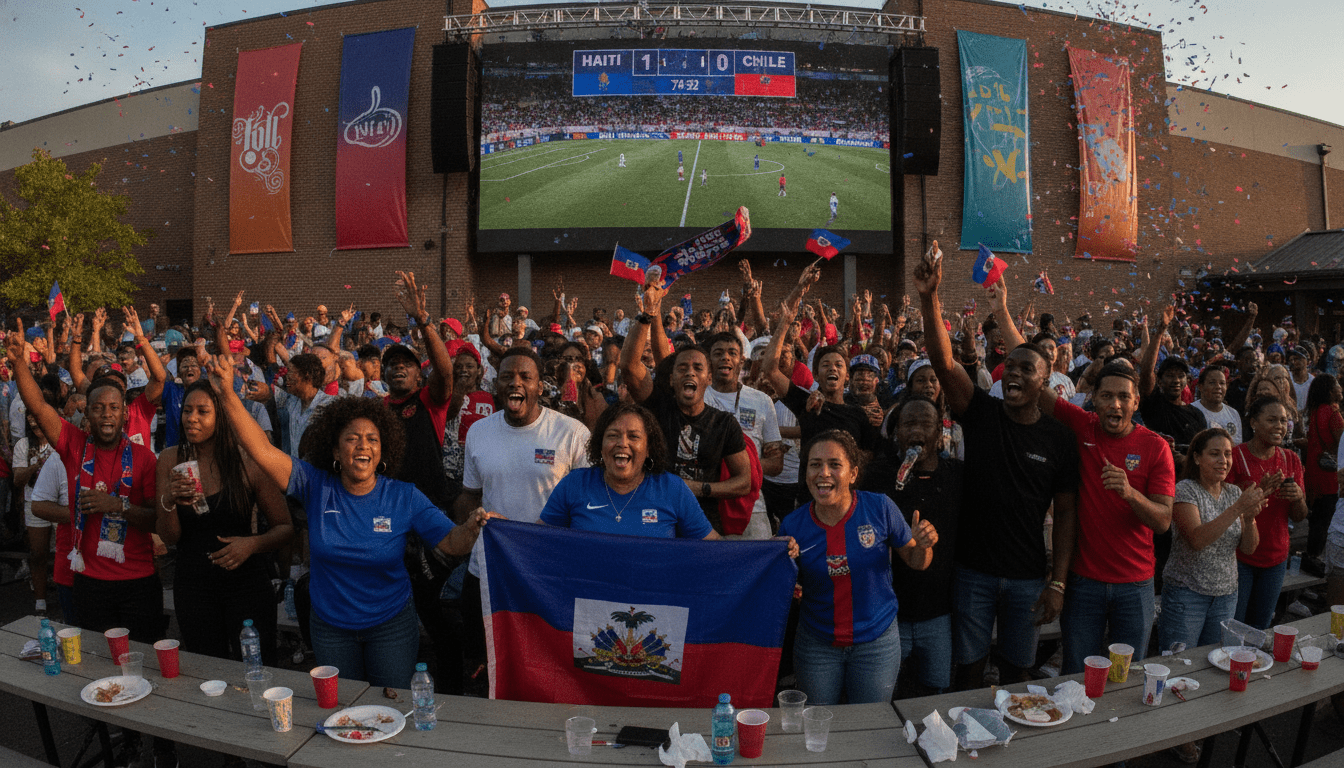
Haiti vs Morocco clash in Atlanta saw Morocco claim a 4-2 victory while Wilson Isidor scored Haiti’s first World Cup goal by a Haitian player since 1974. The match combined on-field drama with an exuberant diaspora celebration that filled the streets outside the stadium. Fans from across the United States turned the area into a carnival of drums, dancing and national colors despite travel limits that kept most Haitians at home.
Isidor becomes first Haitian World Cup goalscorer since 1974
Wilson Isidor’s 43rd-minute strike electrified the stadium and carried heavy symbolic weight for Haiti. FIFA’s earlier decision to credit Lenny Joseph’s opening effort as an own goal by Morocco goalkeeper Bono meant Isidor was officially recorded as the first Haitian player to score at a World Cup since Emmanuel “Manno” Sanon in 1974.
After the match Isidor said the moment was personal and generational, noting family ties to the 1974 milestone and dedicating the achievement to those who could not attend. His goal was celebrated as a breakthrough for a nation returning to the sport’s biggest stage after a long absence.
Massive Haitian diaspora turnout in Atlanta
The atmosphere around the Atlanta stadium was dominated by Haitian supporters, many of whom traveled from Miami, New York, New Jersey and Massachusetts. An estimated diaspora of more than a million people of Haitian origin live in the United States, and thousands converged for the game, turning nearby plazas and transit entrances into impromptu fan zones.
Despite the visible presence of Haitian Americans, very few residents of Haiti itself were in attendance due to a U.S. entry ban that has been in place since June 2025. Supporters improvised with DJs, drums and roller-skaters, and the gathering became as much a communal celebration as a viewing event.
Key moments and scoring sequence
The match opened with back-and-forth action that produced six total goals and several momentum swings. Morocco captain Achraf Hakimi scored to level the game at one point, and Isidor’s long-range strike put Haiti briefly ahead before Ismael Saibari restored parity, sending the sides into a tense interval.
Late in the second half Soufiane Rahimi struck in the 78th minute and Gessime Yassine sealed the 4-2 outcome in the 89th, completing Morocco’s comeback. The result reflected a game of fine margins where individual brilliance and late pressure decided the outcome against a spirited Haitian side.
Tactical questions for Morocco after an uneven display
While Morocco advanced with the win, the performance raised questions about control and cohesion for a team often cited among tournament dark horses. Coach Mohamed Ouahbi elected to rest the highly rated 18-year-old Ayyoub Bouaddi, but Morocco still struggled to dominate possession and tempo for extended periods.
Observers noted that, despite the talent on the roster, the North African side occasionally ceded initiative and allowed Haiti to impose intensity and surprise. The simultaneous 3-0 victory by Brazil over Scotland rendered the group standings less sensitive to this match’s exact scoreline, but tactical inconsistencies will draw scrutiny as the tournament progresses.
Haiti’s tournament legacy and future prospects
For Haiti the night was both a sporting and symbolic triumph, even as elimination from the group stage was already decided. The team scored its first World Cup goals in more than five decades and delivered a performance that energized its diaspora and national narrative.
Players and staff framed the result as a foundation rather than an endpoint, with Isidor and others promising a return to contend for points at future tournaments. The display could bolster player profiles and inspire development efforts back home and within the diaspora community that has sustained Haitian football aspirations.
Fan reaction and the social context around the match
Outside the stadium the celebrations highlighted cultural resilience and transnational ties, with drums, improvised stages and spontaneous chants providing the soundtrack. Supporters repeatedly emphasized pride in the team’s effort and the emotional significance of seeing Haitian colors and voices amplified on a global stage.
The event also underscored broader realities: travel restrictions affecting Haitian nationals, a diaspora mobilized to represent absent compatriots, and the role of major sporting events in galvanizing communities facing political and humanitarian challenges. These dynamics shaped the mood as much as the scoreline.
Haiti’s performance in Atlanta will be remembered for breaking a decades-long drought and for the fervor of supporters who turned the city into a temporary home for Haitian joy, while Morocco leaves with points and questions to address before the knockout rounds.
