
Ghana arrests for false news rise to 14 in 16 months, MFWA says, sparking debate on free speech
Ghana arrests for false news rise to 14 in 16 months, MFWA reports, prompting debate over enforcement of criminal and electronic laws and risks to free speech abroad.
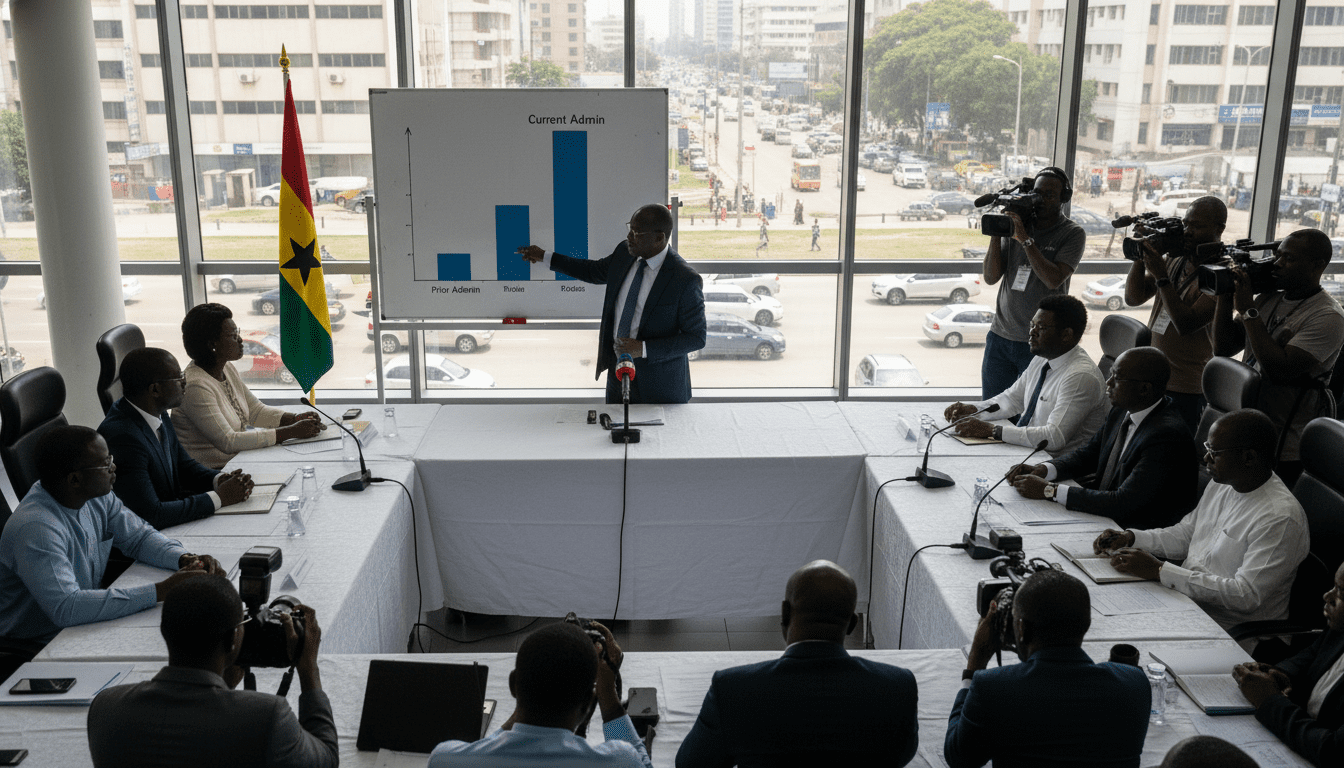
Ghana has recorded 14 arrests linked to false news and offensive speech in under 16 months, a marked increase that the Media Foundation for West Africa (MFWA) says is nearly double the number documented during the previous eight-year administration. The spike in Ghana arrests for false news has reopened a national debate about how existing criminal and electronic communications laws are applied to online content. Supporters of the government say the moves are law enforcement in a fast-moving digital environment, while critics warn of creeping restrictions on political speech and civic space.
MFWA: Arrests Nearly Double
The MFWA’s tally has become a central data point in the controversy, noting a sharp rise in speech-related detentions compared with the prior government. The organisation argues the pace and profile of recent cases demonstrate a new pattern of enforcement that merits public scrutiny and transparent explanation. Its figures have been cited widely by civil society and opposition figures pressing for clarity on charges and procedures.
Government Says It Is Enforcing Existing Law
Senior government figures dismiss accusations of a coordinated crackdown, saying authorities are simply applying long-standing statutes to anonymous and often harmful online content. Officials point to provisions in the Criminal Code and the Electronic Communications Act as legal tools to tackle threats and defamatory material circulating on social platforms. They contend that an explosion of unregulated, anonymous posts has made enforcement more visible, not necessarily more repressive.
Opposition Calls the Arrests Intimidation
Opposition politicians describe the pattern of detentions as a troubling sign for democratic norms and say the state is disproportionately targeting political speech. Minority leader Alexander Afenyo-Markin and other critics argue that arrests for statements that fall short of genuine threats amount to intimidation rather than legitimate law enforcement. They are urging restraint and warning that heavy-handed prosecutions risk eroding public trust in institutions that were built to protect pluralism.
Legal Provisions Under Question
At the heart of the dispute are two statutes regularly invoked in recent cases: Section 208 of the Criminal Code and Section 76 of the Electronic Communications Act. Legal analysts say both provisions predate the current digital era but are increasingly used to police speech online, raising questions about proportionality and procedural safeguards. A legal consultant who reviewed recent prosecutions counted numerous alleged misapplications of Section 208 over the past 18 months and argued that misuse, rather than the text of the law alone, is driving calls for reform.
High-Profile Arrests Feed Political Tension
Individual cases have intensified the debate, including the arrest last year of a social media creator known as Fante Comedy, who was detained over alleged threats to the president. The subsequent appearance of that figure at an opposition rally became a focal point for accusations that politically motivated actors were exploiting the incidents. Government spokespeople cite such episodes to illustrate how quickly speech-related matters can be politicised, while opponents see them as evidence of selective enforcement.
Voices from Media, Civil Society and the Diaspora
Journalists and civil society groups say Ghana needs clearer, more predictable rules to distinguish legitimate criticism from criminal conduct. Veteran reporters have urged the government to explain arrests in detail so citizens and media professionals can better understand where the line between free expression and actionable harm lies. Diaspora organizations and content producers have also raised alarms, warning that frequent arrests of bloggers and online commentators could damage Ghana’s international reputation and fuel concern among expatriate communities.
Calls for Stronger Institutions, Not More Arrests
Advocates for reform emphasise institutional fixes rather than expanded criminal prosecutions. Suggestions include stronger independent judicial oversight, transparent enforcement procedures, enhanced media self-regulation and broad public education on constitutional rights. Digital literacy and clearer guidelines for platform moderation were cited as practical steps to reduce harmful online activity without resorting to heavy-handed state intervention.
President John Mahama’s past remarks about the dangers of using state power to intimidate dissent have added political irony to the debate, as critics point out the contrast between earlier warnings and current events. Supporters of the government counter that legal tools have simply been applied more frequently in response to a changed communications landscape. That tension has left many observers calling for a measured, evidence-based approach to adjudicating speech cases.
Public debate in Ghana now centers on whether the recent increase in Ghana arrests for false news reflects necessary law enforcement in the digital age or a narrowing of civic space that could undermine democratic gains. With civil society, legal experts and political leaders at odds, the coming months may determine whether statutory reform, clearer guidance from authorities, or judicial review becomes the primary mechanism for resolving the dispute.
