
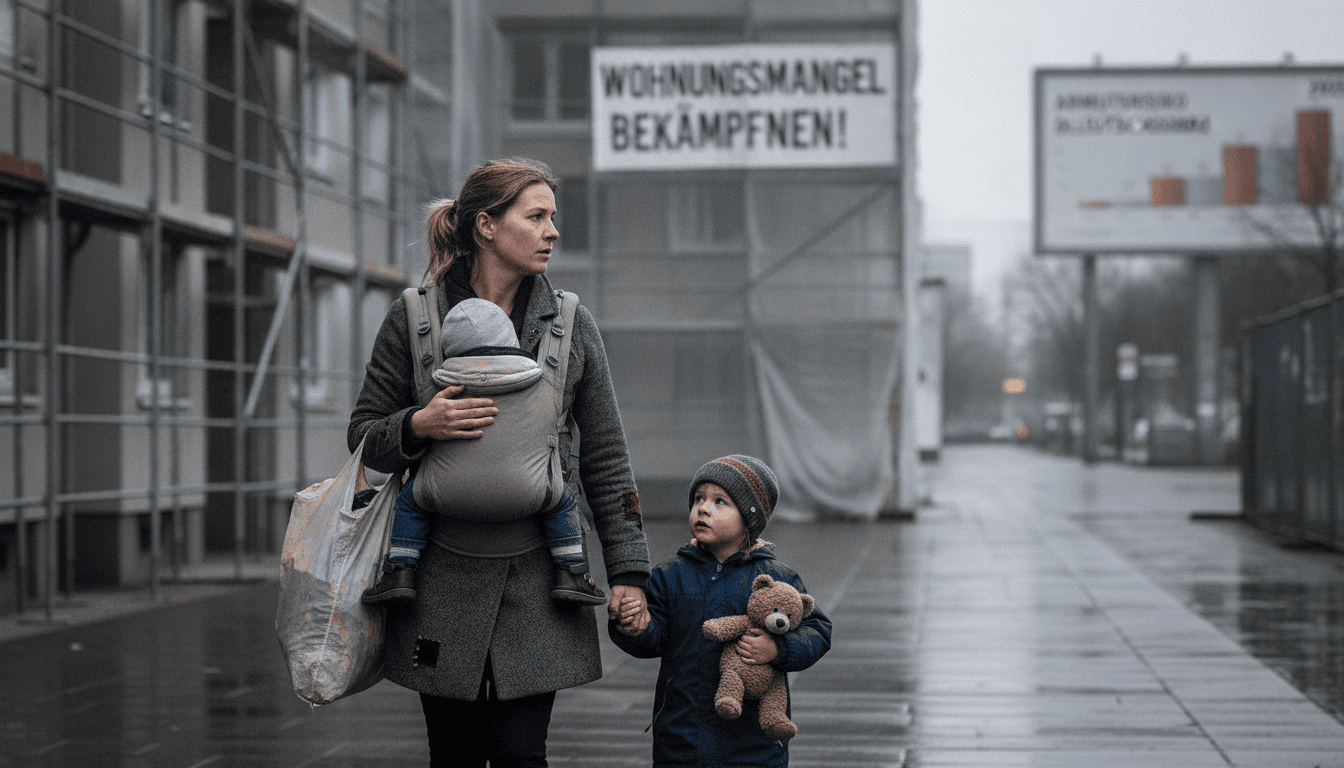
Single-parent poverty in Germany remains high as 2025 data show more than double the risk
Germany’s Federal Statistical Office reports 2025 figures showing single-parent poverty in Germany remains a critical issue, with lone parents facing more than twice the risk of poverty compared with partnered families. The new data indicate couples with children have a 12% risk of falling below the poverty threshold, while around 29% of single parents live beneath that line. The office also notes that 19.4% of families in Germany were headed by a single parent in 2025, a slight decline from 20.5% in 2015.
Federal Statistical Office releases 2025 family income figures
The Federal Statistical Office (Statistisches Bundesamt) published the family income snapshot for 2025, highlighting disparities in household economic security. Officials quantified the proportion of households with incomes under the national poverty-risk threshold and contrasted single-parent households with couple families.
The agency’s figures underline a persistent divide: while partner households with children report a 12% poverty-risk rate, nearly three in ten single-parent households fall below the same benchmark. These numbers place single-parent poverty in Germany at the center of debates about social protection and family policy.
Single parents face more than double the poverty risk of partnered families
The gap between single parents and two-parent families is stark in the 2025 data, with the poverty-risk rate for lone parents more than double that of couples with children. This disparity reflects differences in average household income and the ability to pool resources under one roof.
Analysts note that the headline ratio — roughly 29% versus 12% — signals both immediate hardship for many households and broader structural challenges in maintaining living standards for single-parent families. The figures increase scrutiny of measures intended to reduce income insecurity for this group.
Share of single-parent families edges down since 2015
Although the poverty figures are sobering, the proportion of families headed by a single parent fell modestly over the last decade. In 2015, 20.5% of families in Germany were single-parent households; by 2025 that share had declined to 19.4%.
Demographers caution that a small percentage-point drop does not necessarily translate into improved outcomes for those who remain single parents. The changing composition of family types can reflect shifts in partnership patterns, custody arrangements, and demographic trends rather than immediate economic improvement.
Labour market patterns and care responsibilities squeeze household incomes
Experts point to labour market participation and caregiving responsibilities as core drivers of single-parent poverty in Germany. Single parents more commonly balance part-time or precarious employment with primary childcare duties, which limits earning capacity and career progression.
Rising housing costs and insufficient access to affordable childcare also compound financial pressure, advocates say. Where work hours are reduced to accommodate childcare, household income falls while fixed costs such as rent and utilities continue to rise, deepening vulnerability to poverty.
Policy debates intensify over targeted support measures
The 2025 data are likely to intensify calls from social organisations and opposition politicians for targeted policy interventions. Proposals under discussion include better childcare availability, enhanced housing support, and adjustments to child-related transfers to reduce the poverty gap for lone-parent households.
Policymakers face trade-offs in designing measures that increase incomes without disincentivising labour market participation. Enforcement of maintenance payments from non-custodial parents and improved access to flexible, affordable childcare are among the options frequently cited by family welfare groups.
Child outcomes and long-term social mobility concerns
Because a substantial share of single-parent households include dependent children, the elevated poverty risk has implications for child wellbeing and future mobility. Research generally links childhood economic insecurity with lower education attainment and constrained opportunities in adulthood, a pattern that could perpetuate inequality across generations.
Advocacy groups emphasize early intervention and sustained support to avoid long-term scarring effects. Targeted programs for education, housing stability, and health can mitigate immediate hardship and improve children’s prospects, according to social policy experts.
The 2025 figures released by the Federal Statistical Office make clear that single-parent poverty in Germany remains an urgent social and fiscal issue, drawing renewed attention from policymakers, civil society and researchers interested in narrowing income gaps and protecting vulnerable families.
