
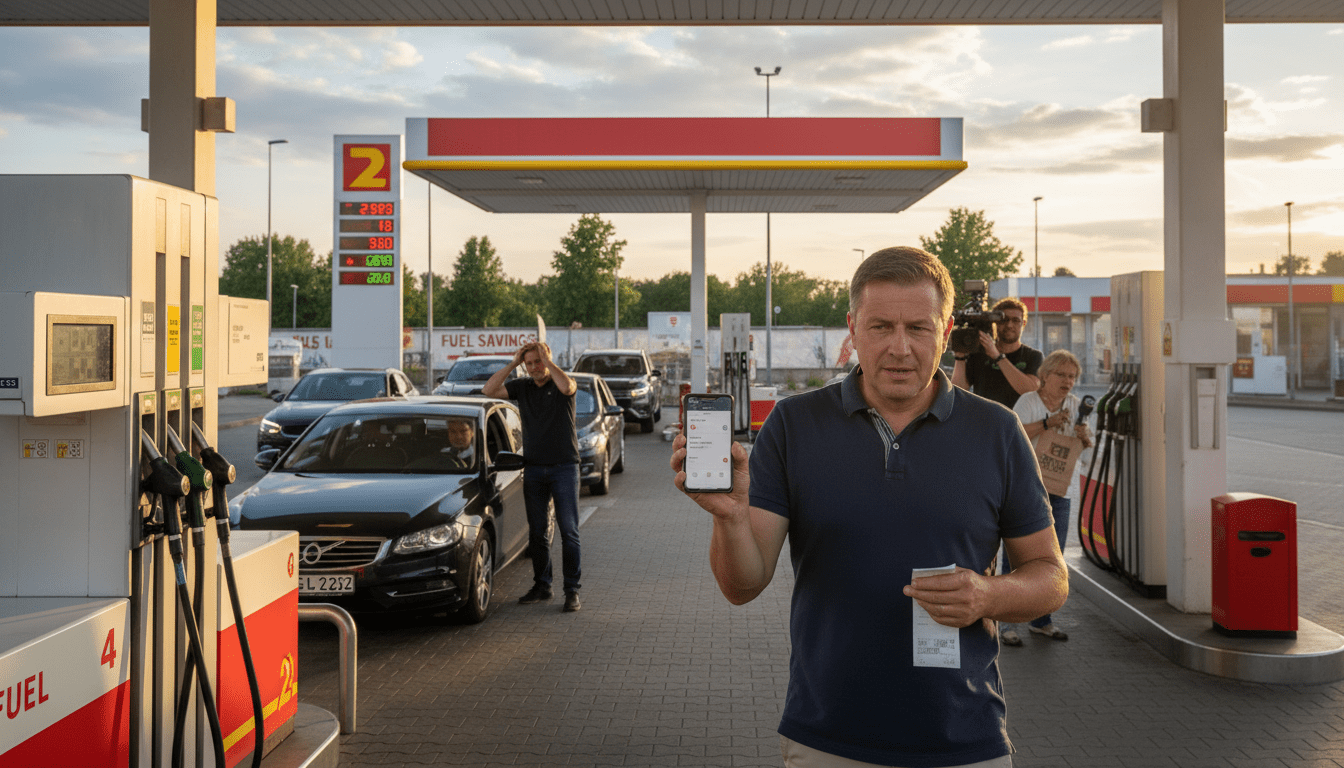
Germany’s fuel tax cut takes effect but savings only partially reach drivers
Germany’s fuel tax cut took effect at midnight, and prices fell but were not fully passed on to consumers, prompting calls for the full 16.7¢ per litre reduction to reach drivers.
The new fuel tax cut reduced the effective levy by 16.7 cents per litre and came into force at 00:00, producing an immediate drop in pump prices though observers say the full benefit has not reached motorists. Between Thursday evening and Friday midday, ADAC recorded declines of about 15.8 cents for E10 and 16.2 cents for diesel, while the Bundeskartellamt noted an initial fall of roughly ten cents at midnight with an additional five-cent decline into the morning. Despite these moves, many stations saw sharp price spikes around noon that remained among the highest recorded under the agency’s “12:00 rule,” signaling uneven pass-through of the tax cut.
Early price movements and midday rebounds
The Bundeskartellamt’s monitoring showed average prices at 14:00 of €2.12 for diesel, €2.08 for E5 and €2.02 for E10, after an initial overnight reduction. Midday averages then rose roughly 13 cents for diesel and 12 cents for petrol compared with the early morning trough, although those increases were three to four cents smaller than on prior days. Regulators interpreted the slightly reduced noon spike as a possible sign that the fuel tax cut is beginning to temper peak prices, but stressed the picture remains patchy across regions and forecourts.
Inventory timing limits immediate pass-through
Industry and regulator statements point to inventory timing as a key reason the full reduction did not instantly reach consumers, since fuel is taxed at the point it leaves depots or refineries rather than at the pump. Fuel already in station tanks may have been bought under the old tax regime, delaying full transmission of the cut until these stocks are sold and replenished. Retail prices therefore reflected a mix of pre-cut and post-cut supplies during the first trading day, which can blunt the visible impact of a tax change when it is introduced abruptly.
Government pressure on oil companies and forecourts
Senior government officials publicly urged the mineral oil sector to pass the tax reduction to motorists in full, framing it as an expectation rather than a mere recommendation. Vice-Chancellor Lars Klingbeil signalled that competition law tools had been strengthened to ensure compliance, and the economy minister similarly described the government’s stance as a clear demand. The trade association for fuels and energy had said the full reduction should arrive at the pump, but there is no legal obligation for individual stations to apply a fixed per-litre reduction, leaving enforcement dependent on oversight and market pressure.
Consumer advocates warn of repeat from 2022 experience
Consumer organizations warned regulators to watch closely, recalling that a similar measure during the 2022 energy crisis gradually flowed into corporate margins rather than staying with drivers. The head of a leading consumer group cautioned against a repeat pattern in which the longer a tax cut lasts, the more likely parts of it will be absorbed further up the supply chain. Advocacy groups have asked the Bundeskartellamt to conduct detailed monitoring and to publish findings so consumers can see where reductions are and are not being passed on.
Fiscal cost and technical design of the cut
Legislators reduced the energy tax element by 14.04 cents per litre, and because that lower base is not subject to value-added tax the effective reduction at retail becomes 16.7 cents per litre. The government intends the measure to run for two months, until the end of June, and estimates suggest the Treasury may lose up to €1.6 billion in that period. Officials have highlighted that the temporary design aims to target immediate relief at the pump while limiting long-term budget impact, but the size and speed of the benefit to consumers will depend on how quickly stores refresh inventories and adjust prices.
What motorists should expect in the coming weeks
Drivers can expect a gradual alignment of retail prices with the reduced duty as station stocks turn over and supply chains bill at the new, lower rate, but progress will vary by region and company. The Bundeskartellamt has stepped up its price monitoring, and ministers have said they will use competition tools if patterns suggest the cut is being retained by intermediaries rather than passed to consumers. For now, motorists seeking the best immediate value should compare prices locally and monitor published averages, since the full 16.7¢ per litre relief may take days or weeks to become universally visible at the pump.
The fuel tax cut is a short-term policy aimed at easing household transport costs, but its ultimate effect on consumer prices will depend on inventory flows, firm-level pricing decisions and the vigilance of regulators and consumer groups.
