
Germany urged to enshrine heat protection in national crisis planning
Germany’s medical association calls for mandatory heat protection in crisis planning as experts warn of hotter summers and higher risks ahead of June 11, 2026.
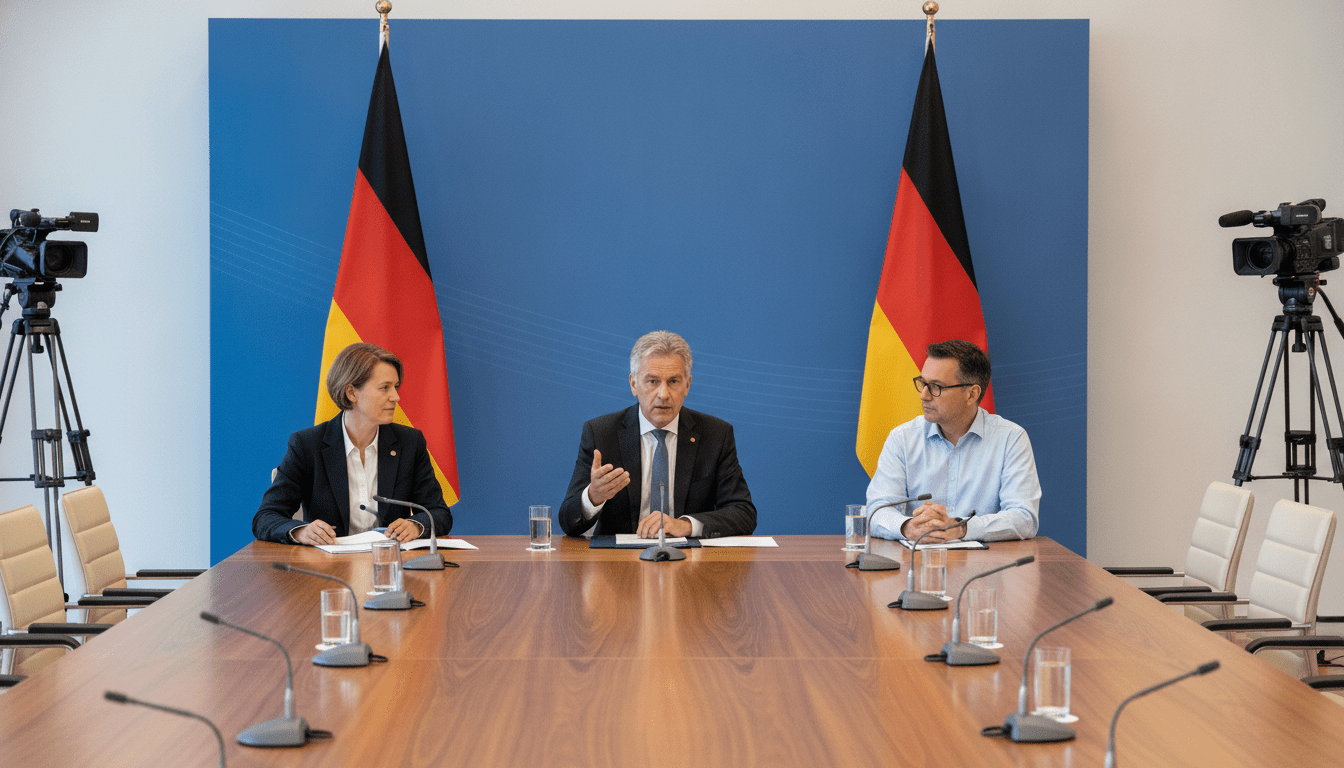
Germany’s leading medical association has called for heat protection to be formally included in national crisis preparedness and disaster response, warning the country is not ready for increasingly severe summers. Klaus Reinhardt, president of the Bundesärztekammer, made the demand on Wednesday, June 10, 2026, in Berlin ahead of the fourth nationwide Heat Action Day on Thursday, June 11, 2026. Reinhardt said that without binding measures, essential services and vulnerable populations face growing danger as extreme heat events become more frequent.
President demands mandatory heat protection in crisis plans
Klaus Reinhardt said Germany’s current disaster-planning frameworks do not sufficiently address prolonged or extreme heat episodes and must be updated. He urged lawmakers and civil-protection agencies to make heat protection a binding element of crisis-preparedness statutes. Reinhardt stressed that legal and operational clarity is needed so local authorities and institutions can act quickly when heat warnings are issued.
Critical infrastructure under mounting heat stress
Reinhardt warned that large parts of critical infrastructure are already under pressure during hotter summers, threatening supply chains and emergency capacity. Power networks, transportation, water systems and communication services are vulnerable to sustained high temperatures and simultaneous failures. He argued that embedding heat protection into contingency plans would reduce cascading failures across these interdependent systems.
Health, care and social services must be strengthened
The Bundesärztekammer president called for health, nursing and social service providers to be actively involved in developing and implementing heat-protection strategies. Facilities that care for elderly, chronically ill or mobility-impaired people must be reinforced to remain operational during heatwaves. Reinhardt emphasized the need for resources, training and infrastructure upgrades so these institutions can maintain services under extreme conditions.
Meteorologist issues stark temperature warnings
Meteorologist and ARD weather presenter Karsten Schwanke highlighted the global and local temperature trends that underpin the calls for action. Schwanke noted that in 2024 the global average temperature reached 1.5 degrees Celsius above pre-industrial levels and warned that a two-degree rise could be reached as early as 2031. He pointed to long-term warming in German cities: Berlin’s heat events are roughly four degrees hotter than in the 1960s, Frankfurt about five degrees hotter and Münster around 6.5 degrees.
Projections signal more heat days and dangerous peaks
Experts expect a significant rise in the number of days above 30 degrees Celsius and an increase in tropical nights where temperatures do not fall below 20 degrees Celsius. Schwanke cautioned that peak temperatures could climb toward 45 degrees Celsius in coming years if current trends continue. He said such extremes would strain emergency medical services, increase heat-related illness and complicate care for patients with cardiovascular and respiratory conditions.
Heat Action Day emphasizes community preparedness
The fourth nationwide Heat Action Day on June 11, 2026, carries the motto “Together prepare against extreme heat” and aims to raise awareness across municipalities and service providers. Organizers plan targeted outreach to care homes, clinics and social services, while promoting practical measures such as cooling plans, staff training and early-warning procedures. Reinhardt welcomed growing sensitivity to heat protection and said public engagement is essential to build resilience at local and regional levels.
Policy proposals and practical measures outlined
Proposals emerging from medical and meteorological experts include integrating heat scenarios into disaster-relief exercises, adapting building standards for passive cooling, and designating formal roles for health authorities in heat emergencies. Funding for retrofitting care facilities, establishing cooling centers and strengthening power grid resilience were identified as priorities. Officials also called for clearer thresholds and protocols so emergency services can mobilize resources based on standardized heat-warning levels.
The appeal from the Bundesärztekammer and warnings from meteorologists frame heat protection as a public-health and infrastructure imperative rather than an optional add-on. With the Heat Action Day scheduled for June 11, 2026, authorities, care providers and municipalities face a narrow window to translate warnings into binding plans and practical safeguards that reduce harm in an era of rising temperatures.
