
Alternatives to Football: Germany’s Summer Sports Calendar Shifts the Spotlight
After a long football tournament, Germany’s summer sports calendar highlights alternatives to football: national championships, World Cups, Olympic qualifiers.
The exit of the national team and the tapering schedule of a sprawling tournament have left a gap in the sporting calendar, and many fans are noticing a sudden surplus of sleep and free evenings. That lull creates an opening for alternatives to football, as dozens of national and international events fill stadia, waterways and arenas across Germany and beyond. For sports fans willing to look beyond the pitches, the next weeks offer a concentrated showcase of elite competition and Olympic qualification stakes.
Football exit narrows schedule and opens eyes
A long international football event concentrated matches and public attention for weeks, but as fixtures wind down the calendar becomes noticeably lighter. The Bundesliga and lower divisions will resume in early August, yet the immediate post-tournament window provides rare breathing room. Broadcasters and fans can now shift focus to other disciplines that have been competing quietly in the shadow of football’s global glare.
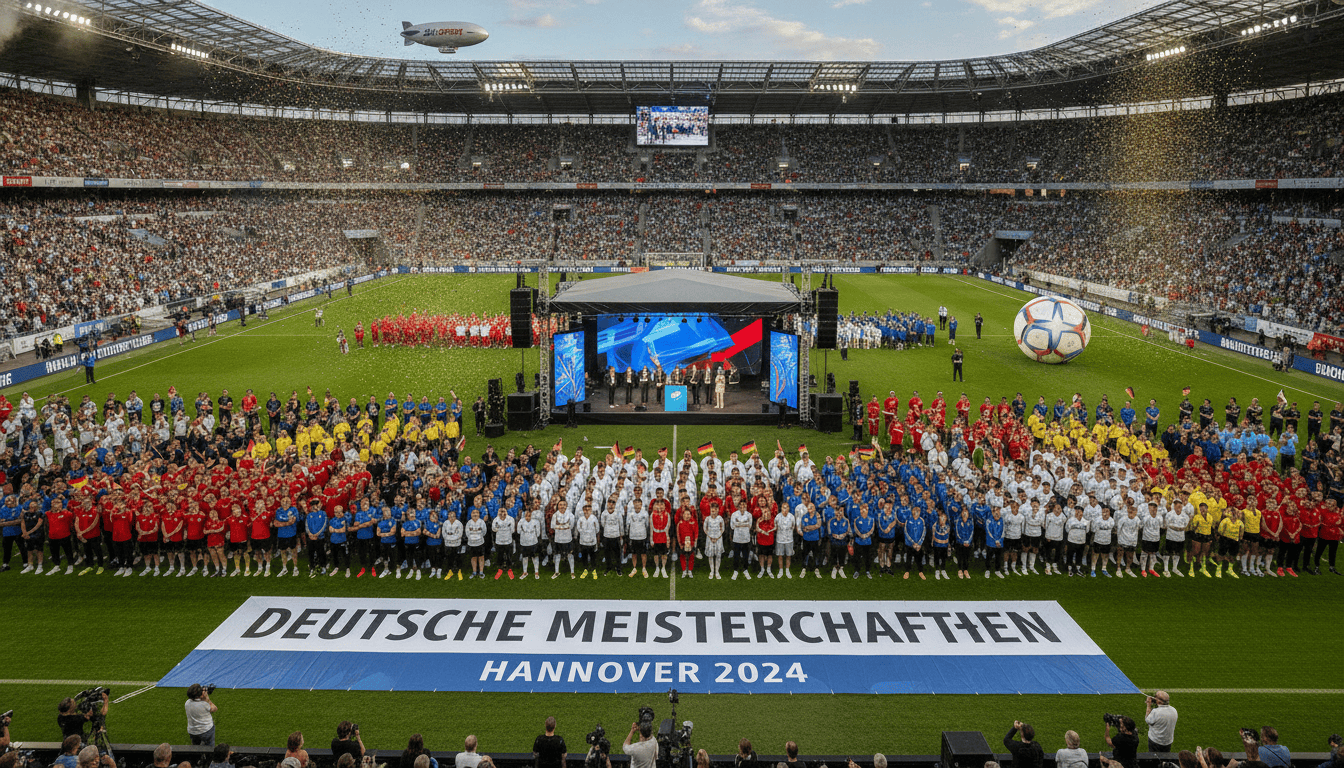
Finals in Hannover stage 24 German championships
The Finals in Hannover gather national title fights across 24 sports, offering accessible, multi-discipline competition for spectators without the cost or travel of major international events. From ball sports to athletics, these German championships present a compact way to see elite performers and upcoming talents compete day after day. Organizers have positioned the Finals as an Olympic-style festival, inviting families and casual fans to sample a range of sporting cultures in one place.
Oklahoma City canoe slalom carries Olympic stakes
Meanwhile, the canoe slalom World Championships in Oklahoma City have become a focal point for paddlers aiming at Los Angeles 2028 qualification, with German athletes among those chasing Olympic berths. The event shifts attention from European arenas to a technical whitewater course that tests speed, precision and nerves. For smaller federations and individual athletes, such world-level competition can outweigh the publicity lost to football, because it directly determines future Olympic opportunities.
Cycling’s Alps drama and the Germany Tour
The Tour de France and following domestic races keep bicycle fans engaged, as high-mountain stages and fast finishes continue to dominate headlines. Riders who are not on the Champs-Élysées still ride through demanding alpine terrain, and the Germany Tour promises to bring televised, road-side racing to local audiences. Cycling events provide a rhythm of daily competition that rewards repeated viewing, making them a natural alternative to football’s episodic peaks.
Aachen to host major equestrian titles starting August 11
Equestrian sport will feature prominently in mid-August when Aachen opens its calendar to show jumping, eventing, dressage and para-dressage, along with driving and vaulting disciplines. These championships combine national prestige with international expertise and often draw a crowd seeking refined athleticism and close, tactical contests. For many German fans, Aachen is synonymous with the highest level of horse sport and presents a chance to see world-class riders on home soil.
Rhythmic gymnastics and flag football enter the German stages
Frankfurt will host the rhythmic gymnastics world championships while Düsseldorf stages the flag football World Cup, underscoring the wide spectrum of disciplines now visible in Germany. Both events attract international contenders and spotlight sports that rarely command mainstream television time during a football-dominated summer. Their presence underlines how alternatives to football range from aesthetic, individual performances to fast-paced team competition.
Autumn events and the long tail of competition
Even as the club season returns in September, other championships promise to keep interest diversified: the Women’s Basketball World Cup in Germany and canoe-polo world championships in Duisburg are scheduled amid the autumn sporting calendar. These events provide alternative prime-time viewing and live attendance options on nights when football typically holds sway. The breadth of offerings means fans can cultivate new loyalties and follow athletes across seasons, not just during multinational football cycles.
Fans and federations alike are finding value in this redistribution of attention, as smaller sports gain visibility and stadiums fill for different reasons. The post-tournament interval is brief but instructive: it demonstrates how a national sports culture can be richer than a single game and how alternatives to football can sustain engagement, feed Olympic ambitions, and reconnect local communities with elite competition.
