
Electric Car Subsidy in Germany Skews Market as Dealers Offer Bigger Discounts on Combustion Cars
CAR study finds dealers gave larger purchase incentives to petrol and diesel models in June, leaving electric car subsidy in Germany under strain.
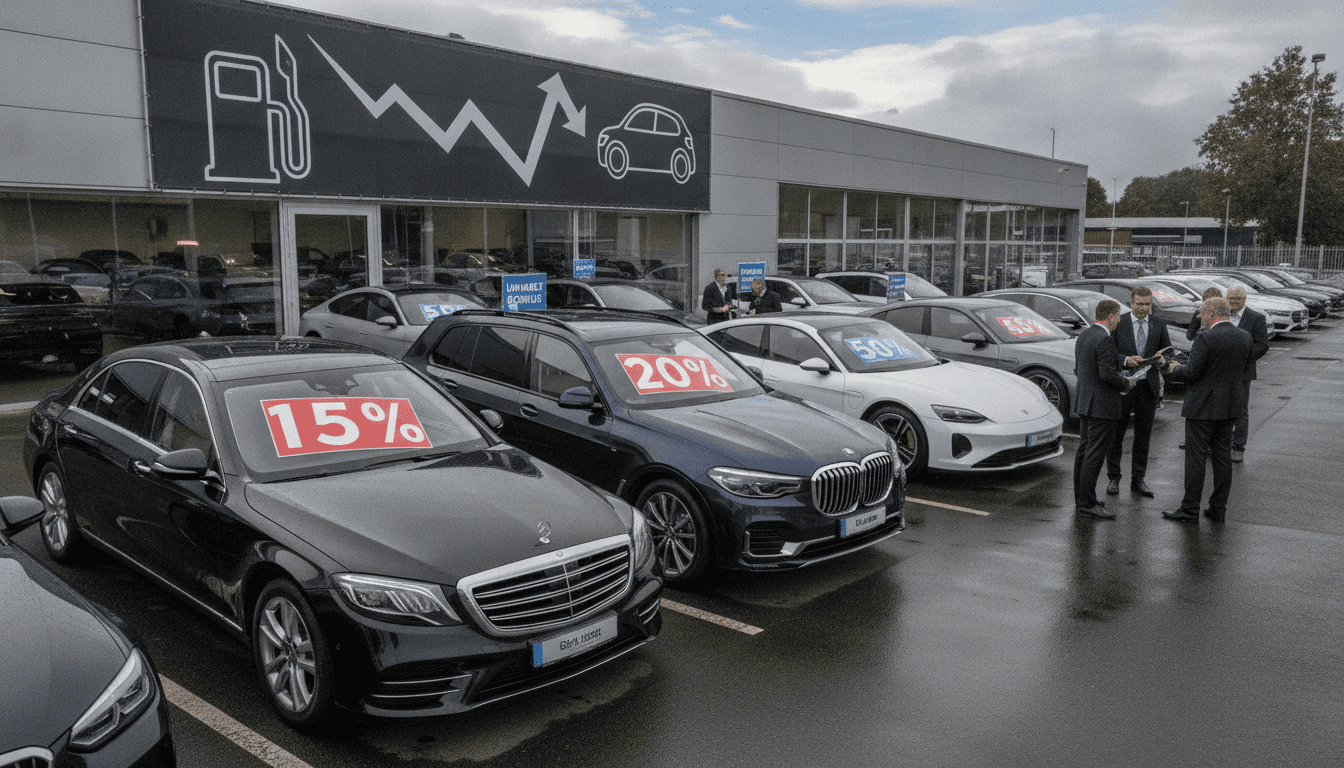
German dealers and manufacturers increased purchase incentives for petrol and diesel models in June, outpacing discounts offered on electric vehicles, a regular market study by the private Center Automotive Research (CAR) shows. The report highlights how the electric car subsidy in Germany, designed to boost EV uptake, is reshaping buyer incentives and advantaging low-cost imports while leaving premium domestic brands exposed.
June Discounts Favor Combustion Models
CAR’s June data show that among the 20 best-selling electric models the average discount fell to 17.8 percent of list price from 19.5 percent in January.
At the same time combustion-engine cars received an average discount of 18.4 percent in June, making them about €1,997 cheaper at purchase than the comparable electric models once manufacturer and dealer reductions are accounted for.
Gap Between EV and Petrol Prices Has Grown
The study records a widening purchase-price gap: in December the average difference was roughly €1,300, but by June that gap had widened by nearly €700.
CAR’s figures measure discounts as a percentage of the manufacturer’s list price, and the growing disparity reflects heavier dealer and manufacturer incentives directed at conventional drivetrains this year.
CAR Methodology and Scope
The findings come from CAR’s recurring analysis of market offers and list-price adjustments across top-selling models in Germany.
CAR director Ferdinand Dudenhöffer provided the data and placed emphasis on the study’s focus on upfront discounts; the analysis does not include the federal electric vehicle subsidy because that state contribution varies by household and model.
State Subsidy Rules and Limits
Germany’s federal EV incentive varies between €1,500 and €6,000 depending on the vehicle, household income and family size, and applies only to privately registered cars.
Eligibility requires registration on or after January 1, 2026, and income limits mean the subsidy is not uniformly available to all buyers, a condition CAR excluded from its dealer-discount comparison because of the variability.
Low-Cost Imports Benefit Most
Dudenhöffer and CAR note that the subsidy tends to promote low-priced electric models, a trend that benefits importers from China and Korea as well as some European manufacturers with budget EVs.
He said this dynamic does not advantage Germany’s premium marques — including Audi, BMW, Mercedes and Porsche — to the same degree, since their higher-priced models receive comparatively less of the direct subsidy effect.
Funding Pressure and Timing Risks
CAR warned that the 2026 subsidy budget had been consumed rapidly, with Dudenhöffer estimating it was already half spent by mid-June 2026.
If spending continues at the same rate, the programme could face temporary exhaustion before the end of the year, a development CAR says would complicate pricing and market normalization once state support diminishes.
Market Share Trends and EU Context
Electric vehicles and plug-in hybrids together recently accounted for about 35 percent of new-car registrations in Germany, reflecting strong adoption despite the shifting discount picture.
Across the European Union, CAR noted that in May 2026 roughly one in five new cars was electric, underscoring a broader continental shift toward electrified drivetrains even as national subsidy arrangements and dealer strategies vary.
The CAR study highlights a complex commercial and policy landscape: dealer and manufacturer discounting has temporarily made combustion cars more attractive at the point of sale, while the federal electric car subsidy in Germany continues to distort relative pricing and reward low-cost EV imports. How policymakers respond to near-term budget pressures and whether manufacturers adjust list prices or incentives in anticipation of a subsidy taper will determine whether the market readjusts or the current distortions persist.
