
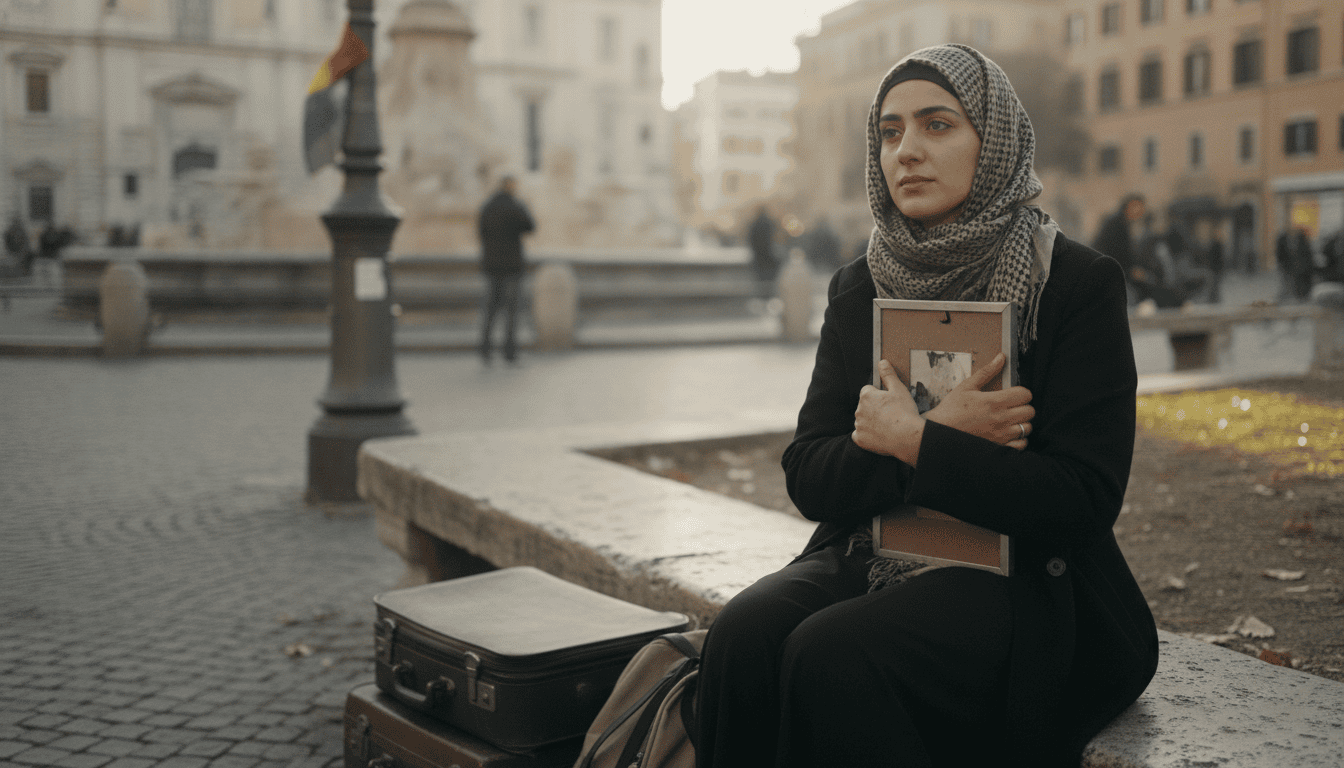
Gaza survivor describes shock and small comforts after evacuation to Italy
Gaza survivor evacuated to Italy on a scholarship recounts trauma, water scarcity, power cuts and the small comforts that underscore the difficulty of recovery.
A Gaza survivor who left the enclave for the first time after nearly three years of intense conflict says evacuation has not erased the daily hardships and trauma of life under siege. The 29-year-old travelled to Italy on a master’s scholarship with support from the municipality of San Giovanni a Piro, but found that moving away only highlighted the contrast between what she sees now and what she endured. She described a mix of gratitude for the hospitality she received and persistent anger over the basic services and freedoms denied to people in Gaza. The experience, she said, has left her uncertain whether physical distance will yield emotional or psychological recovery.
Evacuation to Italy and first impressions
The survivor arrived in a small southern Italian town framed by green hills and Mediterranean views, a panorama she said felt almost unreal after months of living amid destruction. She repeatedly checked photographs and the landscape to convince herself the surroundings were not a dream, and expressed deep gratitude to local officials and residents who facilitated her move. At the same time, she described a profound sense of loss when confronted with intact public services and everyday comforts that had become scarce in Gaza. That contrast — between abundant local resources and what she left behind — has shaped her arrival and early days abroad.
Remembering destroyed homes and daily dislocation
Her memories of Gaza are dominated by scenes of ruined houses, makeshift tents and the many families who remain displaced, she said. Intact houses in Italy brought back images of the few structures left standing in Gaza, many bearing shrapnel scars, blackened walls and bullet holes from repeated strikes. The survivor described how normal communal life — celebrations, study, work — had been repeatedly disrupted by power cuts, evacuations and the constant threat of bombardment. Those recollections, she said, often erased the comfort of her new surroundings and returned her mind to recent losses.
Water contamination and health consequences
Water scarcity and contamination were among the recurring hardships she recounted, with residents often waiting hours or days for potable supplies. She said a close relative, a 16-year-old niece named Rital, contracted a helicobacter pylori infection after drinking contaminated water bought from informal sources following damage to public treatment facilities. The survivor described the daily calculations families made to secure limited clean water and the long-term health consequences for children and other vulnerable people. Those experiences, she added, remain a persistent source of anger and worry despite the relief of being in a safer environment.
Sanitation, hot showers and small salvations
One of the most visceral recollections she shared involved the simple luxury of a hot shower and the lengths families went to secure it. She described the logistical planning required to bathe — from timing water and food distributions to watching the sky for drones or strikes — and the relief when a second‑hand solar heater was acquired at great cost. The heater, she said, served primarily to warm children and became a rare moment of joy when hot water finally flowed, though it was later damaged in an attack. These small salvations, she said, held disproportionate emotional weight after months of deprivation.
Electricity, improvised lighting and lost routines
The survivor spoke about prolonged and chronic power cuts that became a normalised aspect of daily life after utility supplies were severed. Households relied on candles, car batteries and the brief hours of electricity available, she said, and many daily activities took place in the dark or under intermittent light. She recalled paying for generator time when fuel was available and using phone flashlights for basic tasks when no other options existed. The contrast with Italy — where she could flip a switch and find light at any hour — underscored the extent to which basic infrastructure had been eroded.
Trauma triggered by ordinary sounds and rituals
Normal civic celebrations in Italy also provoked unexpected reactions; the survivor mistook national holiday fireworks for nearby bombardment and described a visceral, physiological response to the noise. The incident highlighted how reminders of bombardment can persist long after a person is out of immediate danger, and how sensory triggers complicate attempts to assimilate into peaceful surroundings. She said that while she endeavoured to share in local festivities, the sounds repeatedly drew her mind back to the ongoing violence in Gaza. That tension between relief and hypervigilance, she added, has become central to her daily emotional landscape.
As she begins postgraduate study, the Gaza survivor remains unsure whether time and distance will heal the wounds left by the conflict, and she continues to weigh gratitude against a keen awareness of the people and places she has left behind. She calls attention to the basic necessities that remain scarce for many in Gaza — clean water, reliable electricity and secure housing — and to the long road that will be required for recovery and reconstruction. For now, the survivor said, each small comfort in Italy serves both as a balm and a reminder of what must yet be rebuilt.
