
France Tightens Border Controls with Spain After Ceuta Migrant Arrivals
France moves to bolster border controls and deploy mobile units after tens of thousands of people reached Ceuta; Italy warns of Schengen suspension with Spain amid diplomatic tensions.
Immediate response from French interior ministry
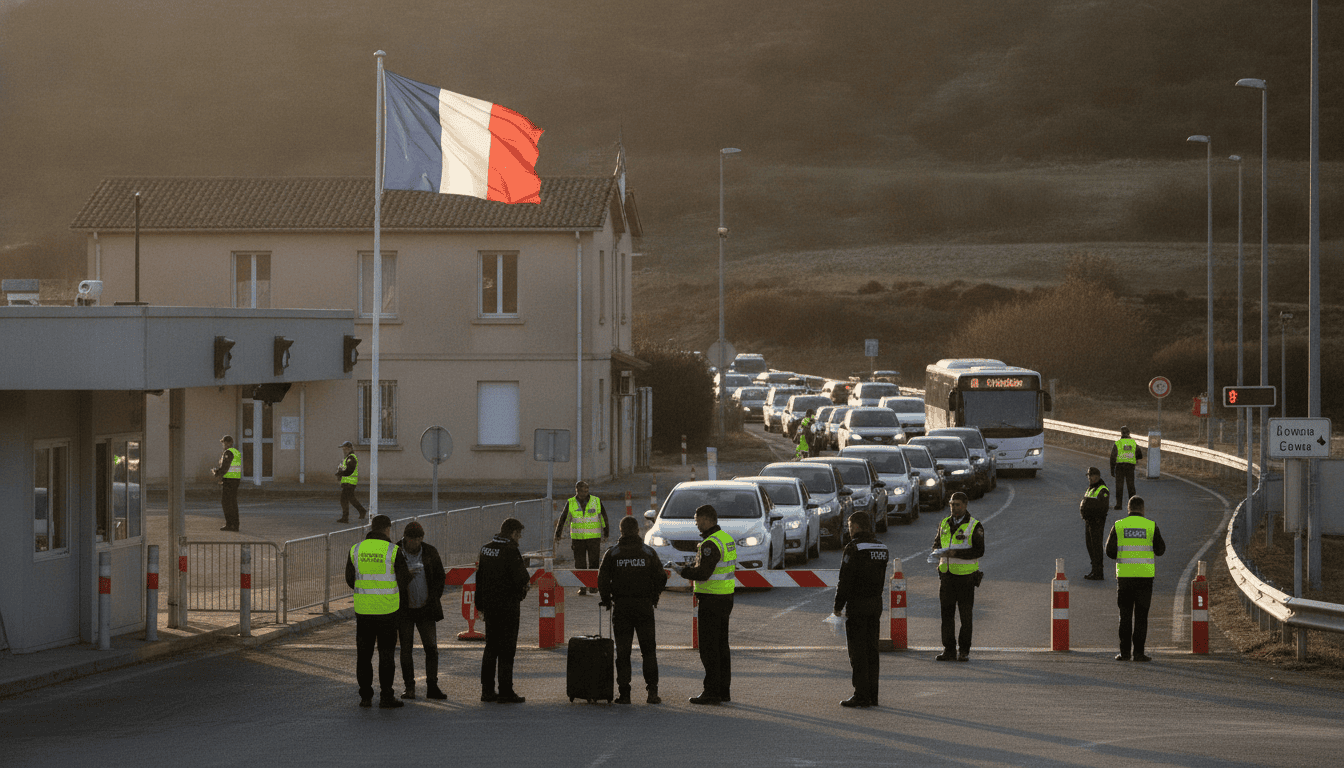
France said it would strengthen checks at its border with Spain after the sudden surge tied to Ceuta migrant arrivals. Interior Minister Laurent Nuñez announced on Thursday evening that he had ordered an immediate intensification of controls at the legal frontier. Authorities said a mobile rapid-response unit would be used for checks both at border crossing points and in the interior hinterland.
Italian prime minister threatens extraordinary measures
Italy’s Prime Minister Giorgia Meloni described the scenes from Ceuta as shocking and said Rome stood ready to take extraordinary steps to protect its borders and citizens. She explicitly included the potential suspension of Schengen arrangements with Spain among the options under consideration. Meloni said her government was convening responsible agencies and would be prepared to act once consultations concluded.
Madrid protests and summons ambassador
Spain responded sharply to Italy’s remarks, summoning the Italian ambassador and accusing Rome of politicizing migration for domestic ends. Spanish Foreign Minister José Luis Albares called the Italian statements inappropriate for a friendly partner and stressed Madrid’s concern about the tone of the intervention. The diplomatic démarche underscores growing strain between EU governments over how to manage sudden migration flows.
Support and criticism among EU partners
The episode elicited a split response within the European Union, with some leaders echoing calls for tighter controls and others urging restraint and cooperation. Finland’s Interior Minister Mari Rantanen publicly praised Italy’s stance, reflecting support from some right-leaning governments for stronger border measures. Other EU capitals, however, signalled unease at talk of Schengen suspension and emphasized the need for collective, rule-based responses to migration crises.
Operational and humanitarian pressures in Ceuta
The arrival of tens of thousands in the Spanish enclave has placed immediate logistical and humanitarian strain on local authorities and aid organizations. Reports and images from the scene show chaotic crossings and large numbers of people, including unaccompanied minors, seeking shelter and assistance. Officials face the dual challenge of processing asylum claims and providing urgent care while maintaining order and public health safeguards.
Border security tactics and cross-border coordination
French officials said they will deploy border guards inland as well as at official entry points to detect secondary movements toward French territory. The use of mobile units underscores a shift from static frontier checks to more flexible, intelligence-led operations in border regions. European police and migration agencies will likely be called on to coordinate information and operational responses if arrivals and onward movements continue.
The situation has exposed existing tensions between national border policies and collective EU frameworks, particularly Schengen rules designed to allow passport-free travel. As governments weigh domestic security concerns against legal obligations and humanitarian commitments, immediate tactical measures are likely to be paired with diplomatic talks. Madrid, Paris and Rome now face pressure to reconcile security priorities with obligations to process asylum claims and protect vulnerable people.
International agencies and NGOs have urged that any enforcement measures be accompanied by clear safeguards for children and those seeking protection. Humanitarian groups warn that abrupt restrictions or summary returns could exacerbate risks for vulnerable migrants and complicate long-term solutions. Observers say durable responses will require not only border operations but also agreements on reception capacity, asylum processing and cooperation with countries of origin and transit.
Authorities emphasize that the situation remains fluid and that further movements could prompt additional steps. French officials confirmed the orders were issued on Thursday evening (July 30, 2026) and said they would adapt operations as the situation develops. For now, the region remains on heightened alert while diplomatic channels work to defuse tensions and coordinate a response that balances security and humanitarian obligations.
