
European Parliament Adopts Controversial EU Return Regulation Allowing Deportations to Third‑Country “Return Hubs”
European lawmakers approved a new EU return regulation that permits deportations to third‑country return hubs, triggering protests and human rights warnings across the bloc.
Parliament approves new EU return regulation
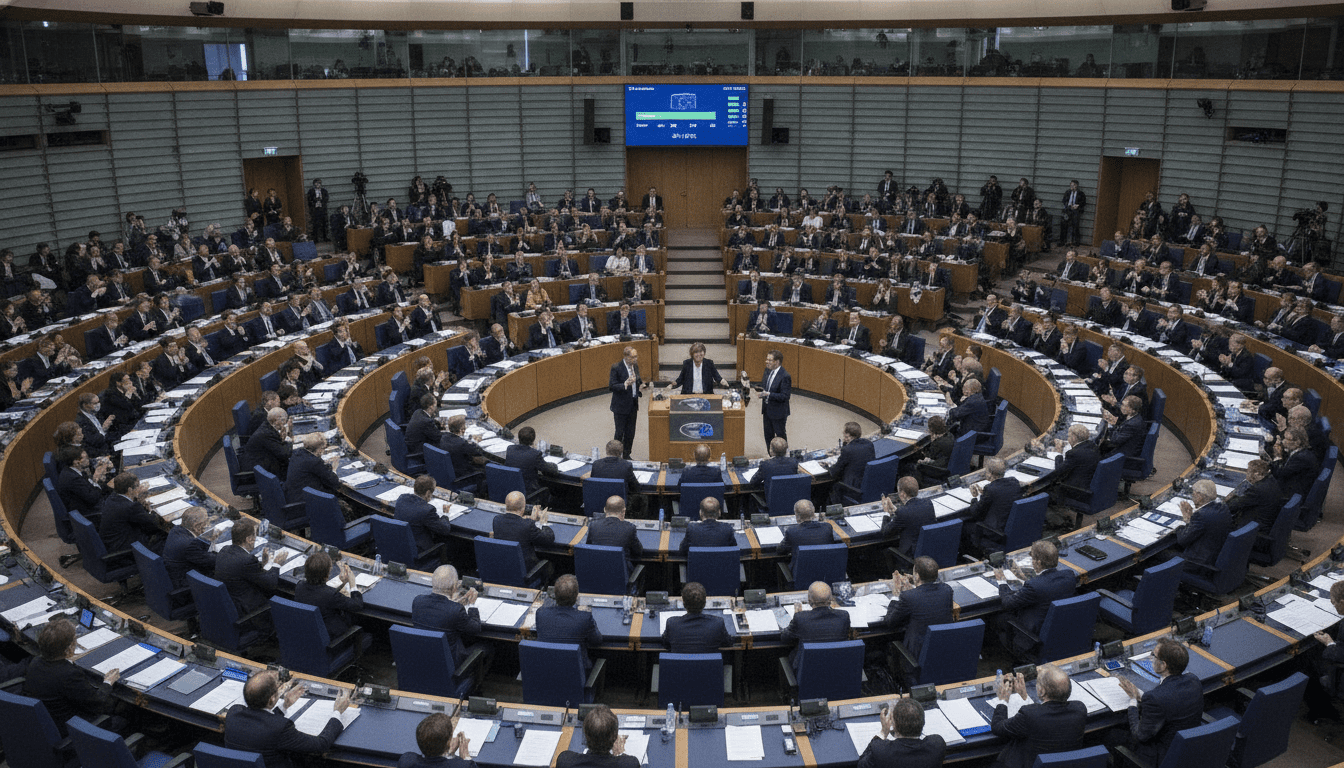
The European Parliament voted in favor of a sweeping EU return regulation that creates legal pathways for detaining and deporting rejected asylum seekers to facilities outside the EU. The measure passed with a majority that combined the centre‑right European People’s Party (EPP) with several liberal members and the bloc’s right‑wing groups. The new rules are intended by supporters to speed up returns and reduce irregular migration into EU territory.
The keyword EU return regulation appears throughout the debate, with proponents arguing it restores control over external borders while opponents say it dismantles protections. Lawmakers who backed the text described it as an operational tool to cooperate with partner countries and manage migration flows more effectively. Critics warned the regulation risks outsourcing EU responsibilities and exposing vulnerable people to abusive conditions abroad.
Right‑wing MEPs celebrate in the chamber
Moments after the vote, footage from the parliamentary chamber showed members of radical and nationalist groups rising to applaud, raising fists and shouting “Send them back!” as the result was announced. Observers described the scene as striking and unprecedented in tone, with jubilant reactions continuing even after the vote concluded. Vice‑President Javier López of the Socialists moved the agenda on without issuing a formal reprimand, a decision that prompted criticism from several opposition members.
Several centre‑right MEPs sat with the right‑wing groups during the vote, a pattern that has fueled concerns about increasingly tolerant alliances between mainstream conservatives and nationalist factions in Strasbourg. For many critics, the applause underscored a wider shift in parliamentary dynamics and raised questions about parliamentary decorum and the treatment of migrants in EU policy debates.
Return hubs and third‑country deportations explained
The regulation paves the way for “return hubs” — facilities located in third countries where migrants who have exhausted appeals could be detained prior to repatriation or relocation. Member states would be able to negotiate agreements with external partners to host such hubs, with the stated aim of accelerating returns and creating alternatives to irregular entry. Supporters claim these arrangements could make returns more predictable and reduce the cost of prolonged asylum procedures in the EU.
Details on safeguards, oversight and the legal status of people held in return hubs remain key points of contention among legislators and civil society. Questions persist about how hearings, legal counsel and asylum procedures would function when individuals are held outside EU jurisdiction. The regulation contains provisions that supporters say include monitoring mechanisms, though opponents call those measures insufficient given the practical challenges of enforcing standards abroad.
Human rights groups issue stark warnings
Amnesty International and other rights organizations immediately criticised the vote, warning that return hubs risk exposing migrants to inhumane conditions, arbitrary detention and rights violations. These groups said past examples of externalised migration control demonstrate how quickly safeguards can break down when oversight is distant and resources are limited. Humanitarian advocates also raised alarms about the prospect of children and other vulnerable people being detained or transferred without adequate protection.
Campaigners urged EU institutions and member states to halt implementation until independent monitoring regimes and judicial remedies are clearly established. They argued the EU return regulation, as passed, blurs accountability lines and could contravene international refugee and human‑rights obligations if returned people face persecution or ill treatment in third countries.
Domestic politics and notable supporters
In Germany, Interior Minister Alexander Dobrindt of the CSU publicly supported the new deportation options, aligning with conservative calls for tougher migration controls. The vote exposed divisions within national parties and highlighted how migration policy is reshaping alliances at the European level. The EPP, which includes CDU and CSU MEPs, was central to securing the majority and has previously cooperated with nationalist groups on migration measures.
Opposition voices in several member states framed the decision as politically motivated and likely to inflame domestic elections where migration is a salient issue. Social‑democratic and green politicians vowed to pursue legal and political challenges, while centre‑right proponents argued the regulation responds to public demands for more effective border management.
Social media, public reaction and parliamentary fallout
Clips of the chamber celebration spread rapidly on social platforms, amplified by both far‑right accounts and mainstream lawmakers condemning the scene. SPD MEP Delara Burkhardt reposted footage with the comment that it represented “the darkest moment in the European Parliament” for her, underscoring the emotional intensity of the fallout. Right‑wing movements hailed the vote as historic, while human‑rights advocates urged people to focus on the regulation’s practical consequences rather than rhetoric.
The episode has prompted calls for further scrutiny of how parliamentary procedures handled the debate and whether stronger censure mechanisms are needed for disruptive behaviour. It has also mobilised civil society networks to monitor forthcoming negotiations with potential partner countries and to document conditions in any operational return hubs.
The adoption of the EU return regulation marks a pivotal shift in migration policy at the European level, promising faster returns but raising urgent legal and ethical questions about detention, oversight and the rights of people displaced across borders.
