
Europe heatwave forces London cancellations and exposes limits of Europe’s urban resilience
Europe heatwave forces London cancellations and exposes ageing urban fabric, straining energy and water systems and prompting calls for resilient retrofits.
This week London Climate Action Week brought researchers, officials and campaigners to the British capital just as an intense Europe heatwave hit the region, forcing event cancellations and demonstrating the immediate pressure on cities. Temperatures in parts of the United Kingdom rose above 36 degrees Celsius (97 F), and the unusually high heat underscored how extreme temperatures are now arriving with greater frequency. Delegates encountered a climate hazard that mirrors the trend scientists attribute to long-term warming across the continent.
Heatwave Disrupts London Climate Action Week
Organizers postponed or cancelled sessions as London sweltered and public services adjusted to higher demand for cooling and emergency response. The disruption highlighted a paradox at the heart of the summit: the very event convening leaders to discuss climate adaptation was interrupted by the hazard they had come to address. City officials reported spikes in calls for medical assistance and public transport operators described altered service patterns as heat affected equipment and staffing.
Record Temperatures Across Britain and Europe
Meteorological patterns driving the heatwave include a displaced jet stream and a persistent high pressure system that channels hot air north from North Africa and traps it over the continent. This type of pattern has always occurred, but experts note such events are getting deeper and more frequent as average temperatures climb. Europe is warming at a faster pace than many other regions, and consecutive record-breaking summers are reinforcing the conclusion that the continent faces a new baseline of heat risk.
Historic Building Stock Hinders Cooling Measures
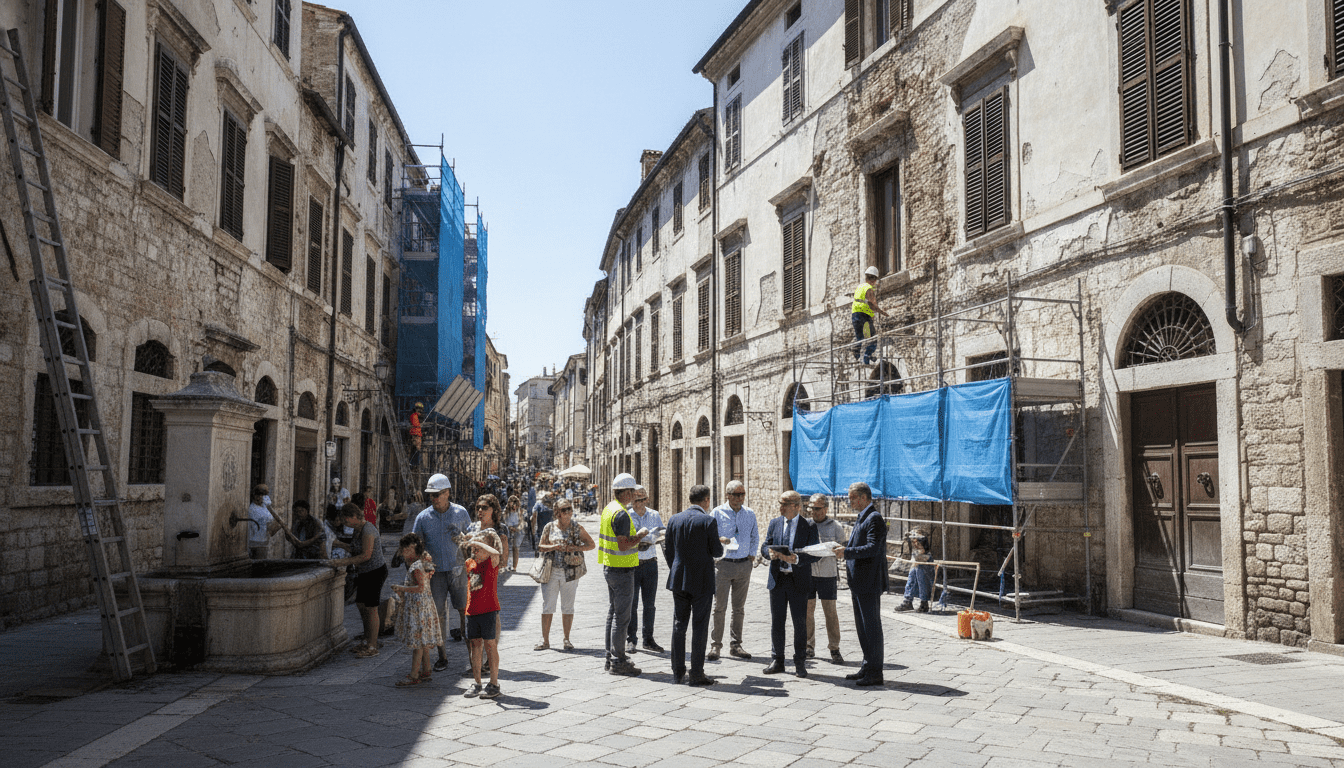
A central challenge for adaptation is the composition of Europe’s housing and public building stock, much of which predates modern thermal standards and was designed for cooler climates. In most EU countries less than a quarter of homes were built after 2000, and a large share are older than 60 years, making retrofits expensive and complex. Cities like Paris and London, with dense historical cores, face particular constraints in adding insulation, shade structures or widespread air conditioning without compromising heritage protections and the character of streetscapes.
Greening and Urban Design Responses Varied by City
Mayors across Europe have begun to prioritize urban greening as a cooling strategy, with tree planting, pocket parks and green roofs forming part of municipal plans. Some cities with wide boulevards and existing green corridors can expand shade quickly, while narrow medieval streets in tourist centres offer little room for additional planting. The disparity means adaptation will be uneven, with wealthier or more flexible urban areas gaining relief faster than constrained historic districts.
Energy and Infrastructure Strains Limit Adaptation
Ramping up cooling measures across cities places new demands on electricity grids that are already under strain from data centres, electrified transport and increasing digitalization. A rapid rise in air conditioning use can trigger peak loads that require grid upgrades or new capacity, complicating the transition to low-carbon energy sources that are often intermittent. Policymakers must reconcile immediate human health needs for cooling with medium-term goals for decarbonization and energy security.
Hidden Flood Risks from Buried Waterways
Adaptation is not only about heat; European cities must manage intensified rainfall and water extremes that interact with historical infrastructure. Many urban centres built over centuries have buried canals and waterways beneath streets, and these subterranean networks can funnel floodwaters into basements and cellars during heavy precipitation. Examples of old urban hydrology resurfacing as a vulnerability show that resilience strategies have to account for both thermal and hydrological shifts simultaneously.
Policy Choices and the Limits of Preservation
Transforming urban environments will require difficult trade-offs between conserving cultural heritage and updating functionality to cope with new climactic stressors. Countries that prize historical preservation face political and technical hurdles when retrofitting façades, widening tree pits or altering public streets. At the same time, the human toll from past heat events, including tens of thousands of excess deaths in previous extreme summers, demonstrates the stakes of inaction and the urgency of pragmatic policy decisions.
European cities are already adapting in piecemeal fashion, but this heatwave underscores the need for coordinated national and regional strategies that align housing policy, energy planning and public health resources. Investments in shading, passive cooling, targeted air conditioning for vulnerable populations, and grid resilience must be prioritized alongside measures to restore and integrate urban water systems. The coming decades will test whether Europe can balance its historic identity with the practical demands of a hotter, wetter climate and whether municipal and national leaders can translate visible summer emergencies into sustained, equitable adaptation.
