
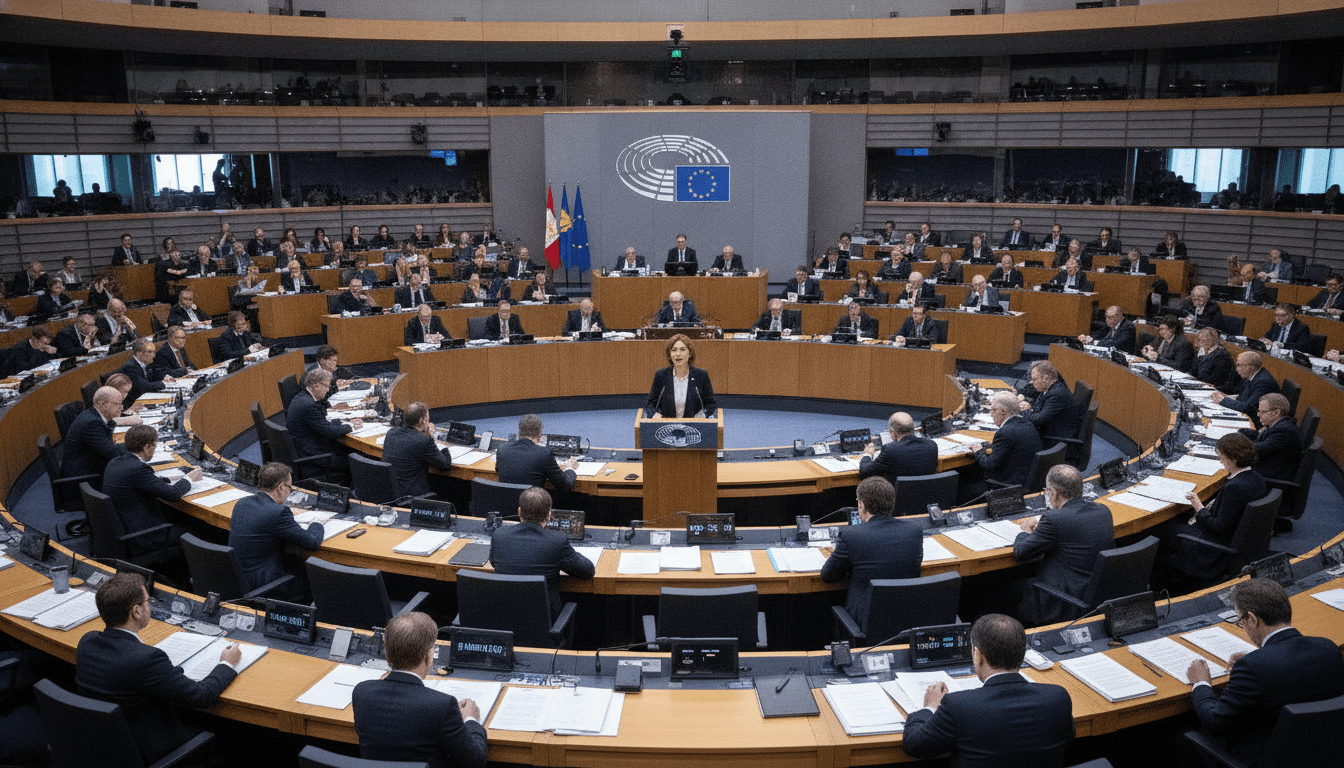
EU Parliament Approves stricter asylum rules, greenlights EU return hubs plan
EU return hubs approved by the European Parliament as part of a package tightening asylum and deportation rules, requiring member-state sign-off before taking effect.
The European Parliament voted to adopt new asylum and deportation rules that include the creation of EU return hubs in third countries, a move aimed at increasing removals of people with a refusal of protection. The measure, referred to by legislators as a return regulation, won backing from a majority of conservative and right-leaning members and is now subject to a final endorsement by EU member states. The vote and the provision to establish return hubs mark a significant shift in the bloc’s migration policy.
Vote outcome in Strasbourg
418 MEPs supported the return regulation while 218 voted against and 30 abstained.
The vote in Strasbourg was marked by a charged atmosphere, with both applause and vociferous protest from different political groups. Supporters framed the package as a necessary tool to enforce returns more effectively, while opponents warned it would erode asylum protections and international obligations.
Scope and function of the return hubs
The return hubs are intended to host migrants with a removal obligation who cannot currently be returned to their countries of origin.
Under the proposed rules, the hubs would be located in third countries and would accommodate people whom EU states have determined should leave but whose repatriation is blocked, often because their home states refuse to accept them. The regulation outlines that the hubs are to be used for processing and facilitating returns rather than long-term detention, though critics have questioned how those distinctions will be implemented in practice.
Who would be affected by the new rules
Unaccompanied minors are excluded from deportation under the new text, but families with children and adolescents may be subject to removal.
The legislation aims to target adults who have exhausted their legal remedies and been issued a return decision. It specifies protections for unaccompanied children, while allowing expulsions for family units and young people who are still classified as minors under national law. Legal safeguards, duration of stay in hubs and procedural guarantees were central points of contention during parliamentary debates.
Parliamentary reaction and public scenes
The final vote triggered audible reactions on the chamber floor, reflecting deep political divides over migration.
After the outcome was announced, some lawmakers from right-leaning groups applauded and shouted “Send them back,” while others responded with “Shame on you” chants. The public display underscored the polarising nature of the reform across the EU political spectrum and highlighted the sensitivity of migration policy ahead of national and European elections in several member states.
Next procedural steps and legal checks
Before the new deportation measures and return hubs can be implemented, member states must give formal approval; that step is widely seen as procedural.
Following parliamentary adoption, the regulation requires ratification by EU governments. Lawmakers described the member-state sign-off as a formality, but the measure could face legal scrutiny and potential court challenges once transposed into practice. National authorities will also need to negotiate agreements with third countries to host the hubs, a process that could be protracted and subject to bilateral diplomacy.
Concerns from rights groups and legal experts
Humanitarian organizations and legal advocates have raised concerns about the impact on asylum rights and the practical safeguards for people placed in third-country facilities.
Critics argue that creating return hubs risks outsourcing EU responsibilities, weakening due process and exposing vulnerable people to unsafe conditions if third-country arrangements do not meet international standards. Supporters counter that the hubs could provide structured, cooperative pathways to ensure returns are orderly and that returnees receive assistance for reintegration when possible.
The debate now shifts to implementation details, including oversight mechanisms, time limits for stays in hubs, and access to legal representation. How member states and the Commission address these questions will determine whether the reform can operate within human-rights frameworks while meeting the political objective of increasing removals.
If agreed in the coming weeks by EU capitals, the new rules will reshape how the bloc manages individuals who have been denied protection and cannot be returned immediately to their countries of origin. The practical rollout, negotiation with potential host states, and likely court challenges will shape the policy’s real-world effects on migrants and EU migration governance.
