
Ethiopia General Election 2026: 50 Million Voters and 10,900 Candidates Compete for Parliament
Ethiopia’s 2026 general election sees 50M registered voters and over 10,900 candidates for federal and regional seats; MPs will choose the next prime minister.
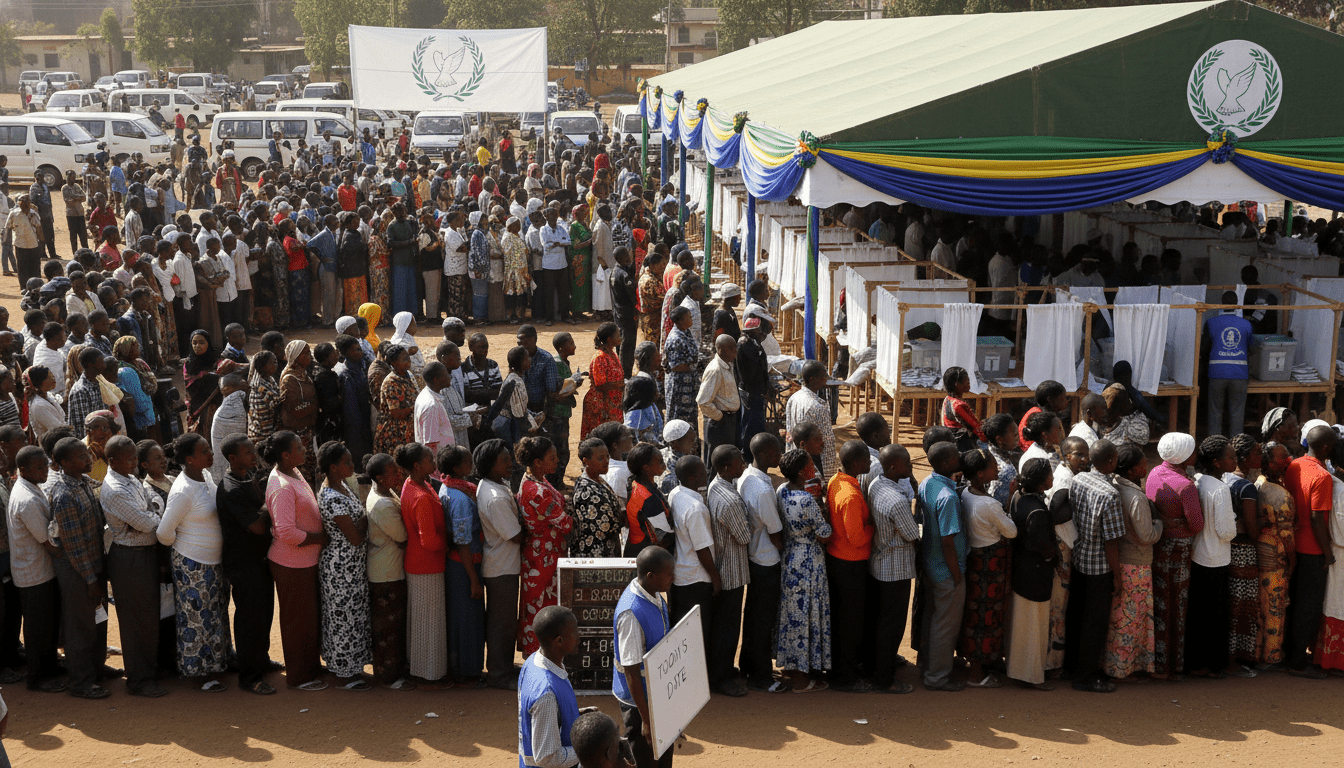
Ethiopia’s general election on Monday brought an extensive slate of parties, coalitions and independents to polling stations as more than 50 million registered voters were called to decide parliamentary representation. The vote, administered by the National Election Board of Ethiopia (NEBE), features 47 registered parties and some 10,900 candidates competing for federal and regional council seats. The composition of the new House of Peoples’ Representatives will determine which party or coalition can name the next prime minister under Ethiopia’s parliamentary system.
Major parties and national contenders
The Prosperity Party, led by the sitting prime minister, is contesting seats across almost all federal and regional constituencies and enters the election as the ruling force seeking to retain a parliamentary majority. Opposition formations include national parties such as Ethiopian Citizens for Social Justice, led by Berhanu Nega, which campaigns on liberal democratic governance and market-oriented reforms. The presence of established national parties alongside coalitions makes the contest a direct test of national unity and institutional strength.
Regional leaders and newer national movements are also prominent on ballots, reflecting changes since the last national vote. Parties formed from regional mergers and breakaway movements are fielding candidates with platforms that emphasize either national economic reform or stronger regional autonomy. Observers say the national balance of power will hinge on how these parties perform in key constituencies.
Coalitions and regional alliances shaping contests
A number of smaller parties have formed alliances to improve their electoral prospects, including the Peace for Ethiopia coalition, which brings together several regional groups. That coalition and similar regional partnerships are coordinating candidate lists to maximize representation while preserving distinct regional identities. These alliances aim to translate localized support into parliamentary seats that can influence federal policymaking.
Regional coalitions are especially active in areas with pronounced ethnic or local governance concerns. By pooling resources and avoiding vote-splitting, member parties seek to increase their leverage in the House of Peoples’ Representatives and in regional councils, where they can press for greater autonomy or targeted development programs.
Independent candidates and constituency-level campaigning
Seventy-three independent candidates are registered in the election, reflecting a continuing role for non-party actors in Ethiopia’s constituency-based system. Independents typically focus on local governance, service delivery and immediate constituency concerns rather than national ideological platforms. In many districts, independent candidates compete fiercely with party nominees, particularly where personal reputation and local ties carry significant weight with voters.
Political analysts note that independents can play a pivotal role in closely balanced parliaments, acting as swing votes or forming issue-based alliances after the results. Their performance will be watched closely for indications of voter sentiment toward formal party politics and the responsiveness of national parties to local needs.
Electoral administration and NEBE’s role
The National Election Board of Ethiopia is overseeing voter registration, polling logistics and the tabulation of results across the country’s federal member states. NEBE’s responsibilities include coordinating polling operations in urban and rural constituencies, appointing local election officials and implementing electoral procedures under national law. The board has emphasized the scale of the operation given the number of constituencies and the mix of federal and regional contests.
Authorities have put in place arrangements intended to ensure broad participation, though logistical challenges remain in remote areas. NEBE’s capacity to manage timely vote counts and to adjudicate electoral disputes will be central to whether the outcome is widely accepted by parties and the public.
Youth, women and voter turnout dynamics
Young people comprise a substantial share of the electorate, with the country’s median age near 19, giving first-time and younger voters significant influence on outcomes. Youth turnout and the issues that resonate with younger voters—employment, education and economic opportunity—could shape which parties gain momentum in urban and peri-urban constituencies. Parties that successfully mobilize young voters may see an outsized return at the ballot box.
Women account for roughly half of registered voters, according to NEBE figures, and female candidates are contesting seats at both federal and regional levels. Gender representation and participation will be closely watched as indicators of broader social inclusion and the degree to which parties cultivate diverse candidate lists.
The election’s immediate next steps include the tabulation of votes at constituency level, and subsequent announcements by NEBE on provisional results. The newly elected MPs will convene in the House of Peoples’ Representatives to select the prime minister and thereby determine the composition of the federal government. Observers, parties and citizens will scrutinize the vote-counting and dispute-resolution processes as the nation transitions to the next legislative term.
