
Germany Debates ‘Nature as Infrastructure’ Plan as Ministers Clash Over Protections and Project Speed
Germany’s ‘nature as infrastructure’ proposal has ignited a political debate as Environment Minister Carsten Schneider seeks legal parity for moors and forests, while industry and the Economy Minister warn it could slow projects.
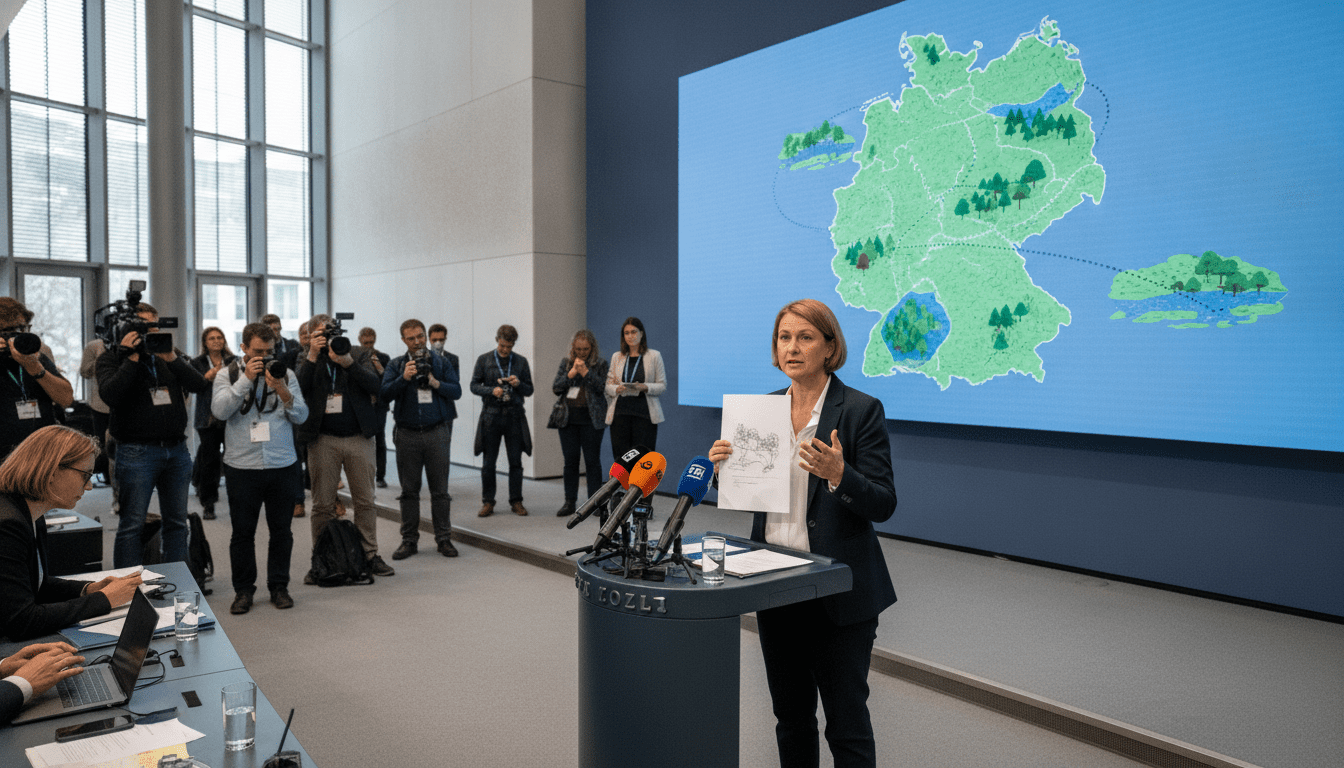
Environment Minister Carsten Schneider (SPD) is advancing a proposal that would give key natural areas — including peatlands and large forest tracts — a statutory status comparable to major infrastructure projects. The plan aims to ensure that environmental considerations do not get sidelined in planning and permitting processes. The draft law is still being developed and has not yet been submitted to or approved by the federal cabinet.
Schneider’s proposal and its stated goals
Schneider frames the initiative as an attempt to strengthen nature protection within Germany’s planning hierarchy and to avoid situations where environmental values are overridden by development pressures. He proposes that nationally significant natural spaces receive comparable legal weight to infrastructure projects deemed of overriding public interest. Proponents argue the change would close legal gaps that currently permit environmental concerns to be set aside during accelerated planning procedures.
The minister’s stated aim is to protect climate-relevant ecosystems such as moors, which store large amounts of carbon, as well as contiguous forest landscapes that deliver biodiversity and flood resilience. Supporters see this as aligning land-use law with Germany’s climate and biodiversity commitments. The legislative text underpinning these ambitions, however, has not yet reached the cabinet stage.
Draft status and legislative uncertainties
Officials acknowledge that no formal bill has been adopted by the cabinet, leaving details and implementation mechanisms unresolved. Key questions remain about how the legal parity would operate in practice, how sites would be designated, and how conflicts would be adjudicated. Legal experts warn that translating the concept into binding criteria will require careful drafting to avoid unintended consequences.
Government sources say the proposal will need cross-ministerial coordination, particularly between environment, transport, and economic departments. That process is likely to shape deadlines, exemptions, and the relationship to existing laws aimed at speeding infrastructure delivery. Until a cabinet submission is published, much of the debate is speculative and centered on competing policy priorities rather than textually defined rules.
Industry and Economy Minister push back at BDI conference
At a conference of the Federation of German Industries (BDI), Economy Minister Katherina Reiche (CDU) voiced sharp concerns about the concept of treating nature as equivalent to infrastructure. She warned that a statutory elevation of natural areas could undermine recent legislative efforts to accelerate planning procedures and designated projects of overriding public interest. Industry representatives echoed her apprehensions, fearing new legal hurdles would lengthen permitting timelines and raise project uncertainty.
Reiche and business leaders stressed the need to preserve gains in streamlined approvals that underpin transport, energy, and industrial investments. They argued policymakers must balance stronger environmental protection against the risk of reversing reforms designed to reduce bureaucratic bottlenecks. The BDI called for clear safeguards to prevent the new framework from becoming a blanket obstacle to essential projects.
Possible impacts on infrastructure delivery and legal disputes
If enacted as described by proponents, the law could reshape how federal and regional authorities assess trade-offs between environmental protection and development. Projects that currently rely on acceleration mechanisms or declarations of overriding public interest might face stricter scrutiny or new requirements for biodiversity compensation and habitat preservation. That shift could increase the number of legal challenges brought by developers and conservation groups alike.
Legal analysts caution that elevating natural areas’ status might prompt a wave of litigation until courts clarify standards and tests. Conversely, some conservationists argue that clearer statutory recognition could reduce ad hoc, case-by-case uncertainty by providing defined legal thresholds for protection. The net effect on project timelines will depend heavily on how designation criteria, exemptions, and dispute-resolution processes are designed.
Political fault lines and coalition dynamics
The proposal exposes tensions within Germany’s governing and opposition ranks over prioritizing green goals versus industrial competitiveness. Schneider’s SPD affiliation frames the move as part of a broader climate and biodiversity agenda, while Reiche’s CDU stance emphasizes economic growth and infrastructure delivery. Coalition partners and regional governments could become decisive players as the bill is drafted and negotiated.
State-level interests are likely to complicate consensus, since many planning and environmental responsibilities sit with the Länder. Conservative and industry-aligned states may press for narrow definitions and strong exemption pathways, while Green and left-leaning administrations could push for broad protection. These dynamics suggest protracted negotiations before any final text reaches parliament.
The proposal comes amid broader European and international pressure to protect carbon-rich ecosystems and biodiversity hotspots, which adds an external dimension to domestic debates. How Berlin reconciles those international expectations with the pace of national infrastructure rollout will be a central political test.
Public reaction to the idea has been mixed, with environmental organizations generally welcoming stronger statutory recognition and some affected communities worried about restrictions on land use. Business groups and municipal planners have sought assurances that essential public-interest projects will still be deliverable without prohibitive delay.
As the executive branch prepares further consultations and legal drafting, stakeholders on all sides are preparing substantive proposals and amendments. The next milestone will be any official cabinet submission; until then, the debate will focus on principles rather than enforceable measures.
The coming months will show whether the aim of strengthening protections for moors, forests and other natural assets can be reconciled with the drive to deliver transport, energy and industrial projects swiftly, or whether the clash between protection and pace will harden into a broader political confrontation.
