
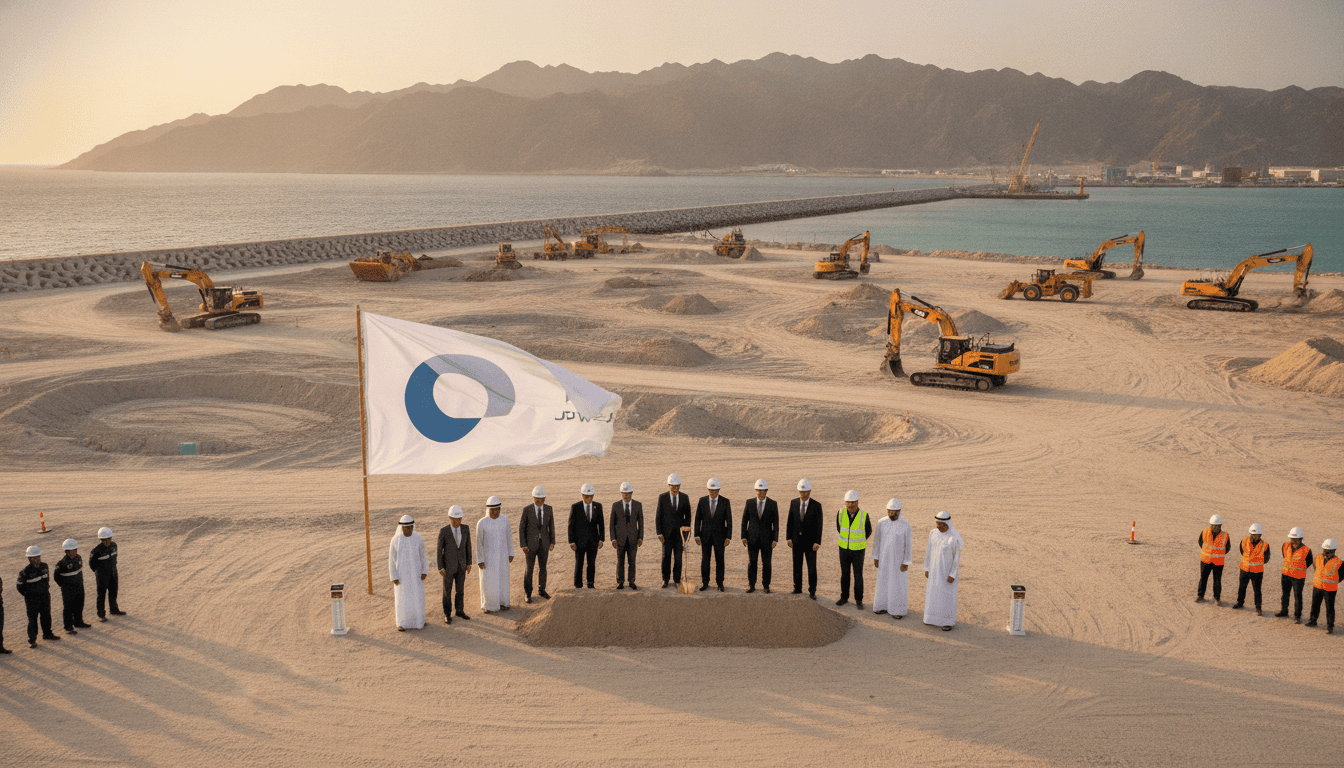
DP World to Build Fujairah Port and Terminal to Bypass Strait of Hormuz
DP World reportedly plans a new port and container terminal in Fujairah to avoid disruptions in the Strait of Hormuz, sources say.
DP World is exploring a major expansion on the UAE’s east coast that would add a new port and container terminal in Fujairah, sources familiar with the talks said. The move is aimed at creating a direct shipping gateway that circumvents the Strait of Hormuz after Iran signalled it would again close the waterway, according to people briefed on the discussions. Dubai-based DP World is examining options to expand the existing harbour and construct additional capacity to handle rerouted container traffic.
DP World proposes new port and container terminal in Fujairah
Company representatives are understood to be in conversations with authorities and local stakeholders about siting and scale, with the proposal focused on Fujairah’s coastline outside the strait. The plan would combine construction of a greenfield port facility with addition of a new terminal to the emirate’s current harbour infrastructure. Those involved describe the proposal as part commercial expansion and part strategic contingency to protect trade flows.
Move aimed at circumventing Strait of Hormuz disruptions
The Strait of Hormuz is a chokepoint through which a substantial share of global oil and container traffic passes, and renewed threats to its openness have prompted regional players to assess alternative routes. By developing sizeable handling capacity in Fujairah, the UAE could shift some vessel movements away from the narrow waterway that links the Persian Gulf to the Gulf of Oman. Industry analysts say such a redirect would reduce exposure to episodic closures or security incidents that disrupt schedules and raise insurance costs.
Strategic and commercial rationale for rerouting
Officials and logistics experts highlight dual incentives behind the proposal: safeguarding supply chains and seizing commercial opportunity. Fujairah already handles bunkering, bunkering and transshipment services and sits on major east-west shipping lanes, making it a logical pivot for container traffic when Strait of Hormuz transits are constrained. For DP World, adding container capacity would diversify its regional footprint and capture flows that currently favour ports reliant on Gulf transits.
Operational challenges and infrastructure needs
Building a new port and terminal requires extensive dredging, quay construction, hinterland links and upgraded rail or road connections to move boxes inland. Planners must secure environmental clearances, finance, and long-term contracts with shipping lines to justify the investment. Local port authorities would need to coordinate berth allocation, pilotage and customs procedures to ensure the new facility can accommodate deep-draft container ships and fast turnarounds without causing congestion.
Regional security and diplomatic backdrop
The proposal comes amid heightened tensions between Tehran and Gulf states over maritime security, and diplomatic sources say countries in the region are weighing how to shield commerce from escalation. Creating alternate routings can reduce the strategic leverage that disruptions at narrow passages afford hostile actors, but analysts caution that new hub facilities themselves could become targets or focal points for contention. The UAE has sought to balance economic openness with measures to strengthen port security and maritime surveillance.
Potential economic impacts for the UAE and global trade
A sizeable Fujairah container hub could shift regional trading patterns, drawing feeder services and transshipment volumes that today call at ports in the northern Gulf. That may boost local employment, attract logistics investment, and increase ancillary services such as warehousing and freight forwarding. On the other hand, competing Gulf ports could see diverted volumes, prompting a recalibration of commercial strategies across the industry and a potential short-term spike in capital expenditures as operators adapt.
Unclear timeline as negotiations continue
Sources stress that talks remain at an exploratory stage and that no formal agreement has been finalised, with timelines dependent on approvals, financing and commercial commitments from carriers. Executives are reported to be weighing phased development to match demand and limit upfront risks. Observers expect announcements only after concrete planning consents and funding structures are in place.
Plans to expand Fujairah’s port capacity could reshape how ships transit the region, but substantial hurdles remain before container flows are permanently rerouted. For now, stakeholders are monitoring negotiations and security developments closely as they evaluate whether a Fujairah hub can deliver both resilience and commercial return.
