
How to Hydrate Your Skin: Practical Steps to Restore Moisture and Barrier Health
Learn how to hydrate your skin with science-backed steps: internal hydration, hyaluronic acid and ceramides, environment tweaks and when to see a doctor.
Dermatologists emphasize that dehydrated skin—an acute loss of water rather than a lack of oil—can affect any skin type and often responds to straightforward changes in routine and environment. To hydrate your skin, experts recommend combining internal strategies like drinking more water and eating hydrating foods with topical treatments that bind and seal moisture. This report summarizes proven approaches, topical ingredients to look for, lifestyle adjustments that reduce water loss, and signs that warrant medical evaluation.
Dehydrated Skin Versus Dry Skin
Dehydrated skin is a temporary reduction in the skin’s water content and can occur even when oil production is normal. Dry skin refers to chronically low oil levels and often requires richer emollients and different long-term management. Understanding the distinction helps consumers choose the right products and routines to hydrate your skin effectively rather than simply adding oil.
Internal Hydration and Nutrition
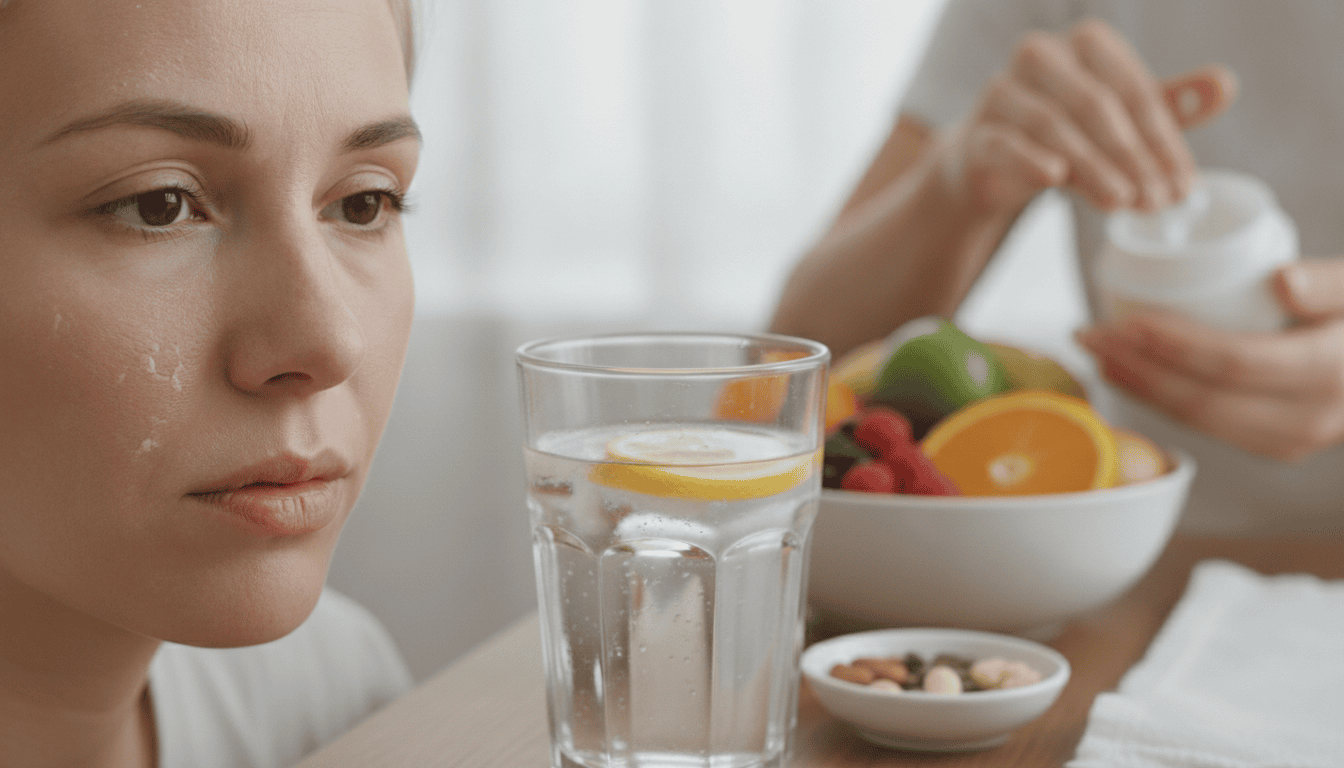
Drinking adequate fluids supports overall physiology and can improve skin appearance, though individual needs vary by age, medication use and climate. Foods with high water content such as watermelon, cucumbers and other fruits and vegetables contribute to total hydration while omega-3 rich foods—like salmon and flaxseed—support the skin barrier’s ability to retain moisture. Micronutrients matter too; zinc and protein support collagen production and barrier repair, so dietary balance can be as important as daily water intake for those trying to hydrate your skin.
Topical Ingredients That Bind and Seal Moisture
Topical humectants and occlusives play complementary roles: humectants draw water into the skin while occlusives prevent its loss. Hyaluronic acid is a widely recommended humectant because it can bind substantial amounts of water and improve immediate plumping and smoothness. Ceramide-containing creams help rebuild the lipid barrier, reducing trans-epidermal water loss, and occlusive treatments—commonly known as slugging with petroleum jelly or similar products—seal in moisture overnight for marked improvement in hydration.
Targeted Treatments for Dry or Irritated Areas
Some areas respond better to specific approaches, and patch-testing new products on a discreet site is prudent for sensitive skin. Coconut oil can quickly penetrate and soothe dry, irritated skin while improving elasticity and reducing itching for many users. For persistent dry patches, switching temporarily to a heavier moisturizer or integrating a barrier-repair cream with ceramides and fatty acids can restore skin comfort and function more rapidly than lightweight lotions alone.
Environmental and Lifestyle Adjustments
Ambient humidity, bathing habits, sleep and stress levels all influence skin water balance and barrier integrity. Using a humidifier during periods of low indoor humidity, keeping showers short and lukewarm, and choosing gentle cleansers helps limit water loss from the skin’s surface. Simple changes such as silk or satin pillowcases to reduce friction, managing stress through breathing exercises or relaxation practices, and prioritizing seven to nine hours of sleep each night support the skin’s repair processes and make it easier to hydrate your skin consistently.
When to Consult a Healthcare Professional
Most cases of dehydration can be managed with lifestyle and topical changes, but persistent symptoms or signs of impaired skin turgor warrant clinical evaluation. If the skin loses elasticity, shows extreme dryness despite treatment, or is associated with systemic symptoms such as rapid weight loss, vomiting, or signs of heat-related illness, a clinician should assess for underlying conditions like diabetes or connective tissue disorders. A dermatologist can also tailor a treatment plan, recommend prescription-strength barrier repair therapies, or investigate other contributors to chronic skin water loss.
A practical daily routine to hydrate your skin begins with moderate water intake and hydrating foods, followed by a mild cleanser, application of a humectant serum such as hyaluronic acid, and finishing with a moisturizer containing ceramides; finish with an occlusive at night for areas that need extra sealing. Small, consistent adjustments to diet, product selection and the home environment often produce visible improvement in skin texture and comfort within days to weeks.
