
Germany growth package faces pivotal test as coalition meets at Chancellery
German coalition meets today to decide a comprehensive Germany growth package of tax, labour and social reforms as negotiators weigh final contentious points.
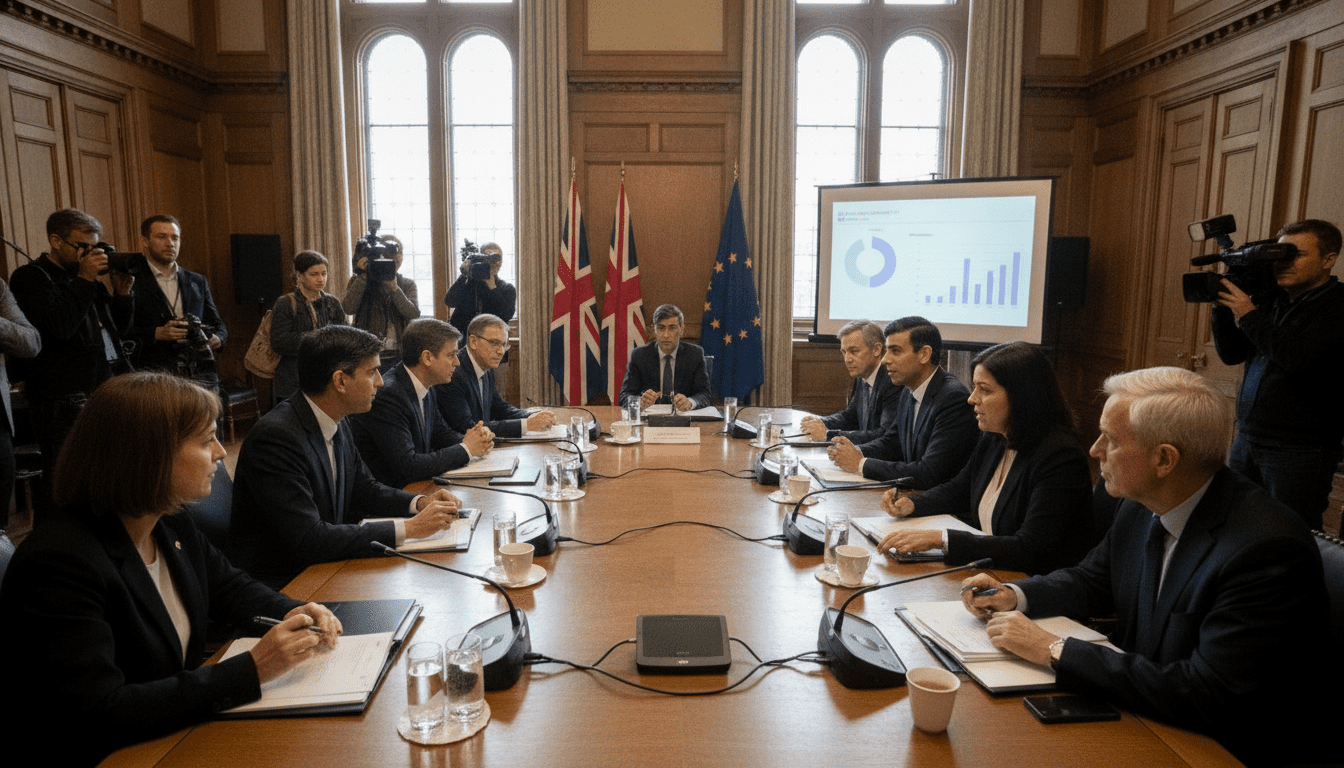
The governing coalition convenes at the Chancellery this afternoon to try to push a long-promised Germany growth package across the finish line before the parliamentary summer recess. Lawmakers and ministers are considering a nine-page, 30-point proposal from negotiators that remains incomplete on two decisive issues: the shape of tax reform and the extent of changes to labour law. Failure to present an agreed package by the end of the week would leave the coalition politically exposed and risk major government instability.
Negotiators present nine-page framework with 30 measures
Negotiators delivered a compact nine-page blueprint that lists 30 measures spanning tax policy, labour market rules and social benefits. The document is intended as a bargaining basis, but party leaders must still resolve how much relief to give households and businesses and which labour protections to alter.
Members of the coalition committee have signalled that two additions are expected in the final version, reflecting lingering disagreements over redistribution and employer flexibility. Officials say those final items will determine whether the package can unite the coalition’s divergent priorities.
Tax reform remains the most contentious element
At the centre of debate is a planned tax reform intended to stimulate growth while preserving fiscal stability, a balance that has proved elusive in talks. Parties disagree on who should receive targeted relief, with some pushing for middle-class cuts and others advocating measures aimed at low-income households and small businesses.
Analysts warn that a broadly perceived tax giveaway could fuel inflationary pressures and complicate compliance with EU fiscal rules, while a narrowly targeted scheme may not deliver the political payoff the government needs. The coalition must therefore choose between broad-based reductions and carefully tailored incentives.
Proposals to alter labour law divide coalition partners
The package also includes proposals to change working-time rules and aspects of dismissal protection, issues that have split ministers and parliamentary groups. Proponents argue that more flexible employment rules will increase hiring and competitiveness, while critics warn of weakened worker protections and social risks.
Trade unions and employer associations have already begun to lobby intensively, framing the options as a test of the coalition’s social compact. Any significant shift in labour law is likely to face close scrutiny during parliamentary debate and could provoke protests or legal challenges.
Political stakes: government credibility and timeline
Coalition leaders have set an implicit deadline: present a coherent growth package before the summer break or risk a loss of momentum that could be politically fatal. Observers note that the government’s capacity to deliver tangible results has been central to public confidence, making these negotiations particularly consequential.
Failure to reach agreement could trigger intra-coalition recriminations and reshape leadership dynamics ahead of the autumn session. Conversely, a compromise that withstands parliamentary scrutiny would offer a decisive narrative of action and unity.
Broader news agenda running alongside the talks
The coalition meeting is unfolding against a busy national news agenda that includes other high-profile developments. Public interest has been rekindled by a newly published searchable archive of Nazi Party membership cards, prompting family histories and wider debates about historical memory and disclosure.
In parallel, debates over the end of the Bürgergeld welfare scheme remain prominent, with proposed tightening of sanctions and rules for asset use drawing criticism from social advocates. Internationally, indirect talks reported between US and Iranian delegates in Doha and recent rulings on US birthright citizenship continue to attract attention.
The government’s internal deliberations are therefore taking place amid multiple domestic and international stories that could affect public reception of any agreed package.
A final decision this week would allow the coalition to present a unified growth program to lawmakers as the Bundestag prepares to pause for the summer, while delay would leave key policy questions unresolved and the coalition politically vulnerable.
