
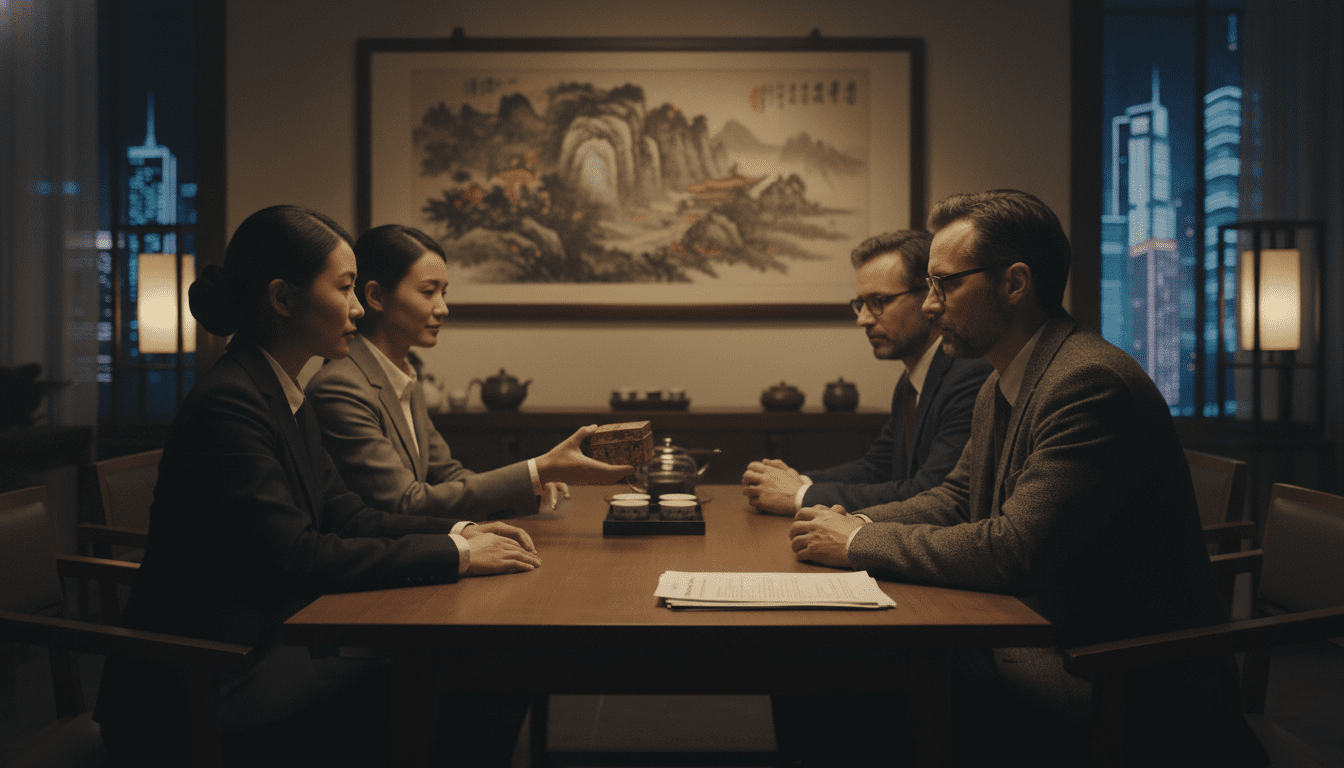
Key Witness Says Chinese Spies Lured German Researchers to China in Block Trial
Key witness in a block trial says Chinese spies lured German researchers to China and eavesdropped on them, prosecutors say as the case moves forward in court.
A key witness on Wednesday told a regional court that alleged Chinese intelligence operatives recruited German academics and subjected them to surveillance while abroad. The testimony came during a multi-defendant block trial that prosecutors say centers on covert efforts to acquire sensitive research. The allegations have prompted renewed scrutiny of academic exchanges and security protocols in Germany.
Key witness details account on the stand
The witness described events that prosecutors say show a pattern of targeted recruitment, including invitations to conferences and research collaborations in China. Courtroom accounts included claims that meetings were arranged to obtain access to data and contacts, and that surveillance followed some researchers after their return to Germany.
Prosecutors framed the testimony as central to their case, saying it links several defendants to a coordinated intelligence effort. Defense lawyers questioned elements of the witness’s recollection under cross-examination, emphasizing the lack of corroborating documents presented so far.
Alleged recruitment and surveillance methods outlined
According to the prosecution summary read in court, suspected operatives used professional networks and academic invitations to establish personal relationships with researchers. The outreach reportedly emphasized collaboration and career advancement while masking alleged intelligence aims.
Witness statements presented to the judge described surveillance techniques including electronic monitoring and controlled meetings, the prosecution said. Authorities contend those tactics fit a broader pattern of foreign intelligence activity aimed at acquiring technical know-how and strategic contacts.
Prosecutors summarize evidence and charges
Prosecutors told the court they would present phone records, travel logs and electronic traces intended to substantiate the witness’s claims. They described the case as an example of alleged espionage that exploited legitimate scientific exchange to gain strategic advantage.
Charges brought in the block trial reportedly include unlawful intelligence gathering and facilitation of foreign espionage, though specifics vary among defendants. The court is expected to weigh whether the presented evidence satisfies legal thresholds for conviction in a complex cross-border investigation.
Defendants contest allegations and stress lawful exchange
Several defendants have denied knowingly engaging in espionage, telling the court their activities were legitimate scientific collaboration. Defense statements in the hearing emphasized the openness of academic exchange and cautioned against conflating routine collaboration with criminal intent.
Lawyers for the accused argued that invitations to participate in research trips and conferences are common in international science and that their clients had no reason to suspect ulterior motives. They also signaled a strategy to challenge the credibility of witness testimony and the interpretation of technical data.
German research institutions express concern and review policies
The trial has prompted academic institutions and funding bodies to review policies around international travel and collaboration, sources close to the matter said. University administrators are reportedly balancing the need for open science with newly heightened concerns about research security.
Officials advising research centers have emphasized stronger safeguards for intellectual property and clearer reporting channels for suspicious approaches. Scholars in sensitive fields may now face additional vetting and tighter controls on data-sharing arrangements, industry observers say.
Court process and expected timeline for the block trial
Legal experts following the case said multi-defendant block trials often take months as courts sift through extensive documentary and technical evidence. The format allows judges to hear consolidated testimony that prosecutors say connects multiple suspects to a single alleged operation.
Observers expect further witness appearances and forensic submissions in coming hearings as both sides build their cases. Appeals and complex legal motions are likely, given the cross-border elements and the political sensitivity of espionage allegations.
A summary of courtroom developments on Wednesday underscored how the proceedings are testing the balance between open academic cooperation and national security concerns.
The block trial has drawn attention beyond legal circles, prompting debate over how democratic societies protect scientific collaboration while defending critical knowledge from exploitation.
