
China missile test in the South Pacific draws regional criticism
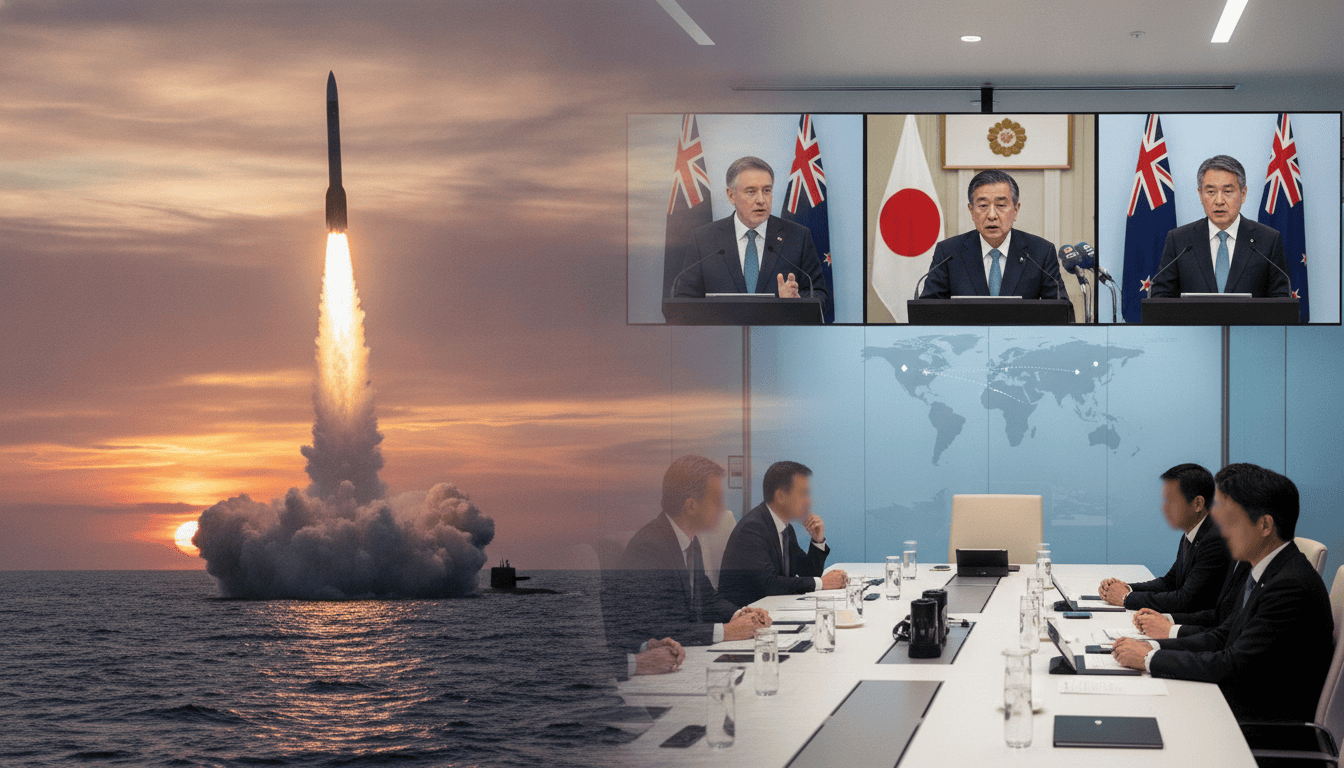
China missile test in the South Pacific draws criticism from Australia, Japan and New Zealand as a submarine-launched rocket landed in international waters.
China’s reported missile test in the South Pacific, involving a submarine-launched rocket with a dummy warhead, has triggered sharp criticism from neighboring countries. The main topic, the China missile test in the South Pacific, was described by state media as part of routine annual military exercises, while Australia, Japan and New Zealand expressed concern about regional stability. Chinese officials said the launch fell inside the planned area in international waters and that coastal states had been notified. Regional leaders countered that the operation raises questions about transparency and the future of maritime safety in the Pacific.
Xinhua Reports Submarine-Launched Rocket in South Pacific
State news agency Xinhua reported that a People’s Liberation Army nuclear submarine fired a rocket equipped with a mock warhead into international waters within a designated zone. Chinese authorities stated the projectile landed where planned and presented the exercise as a normal element of annual training. Officials emphasized the launch did not target any country and framed it as routine military preparedness. The Chinese Foreign Ministry reiterated that neighboring states had been informed in advance of the activity.
Australia Labels Test ‘Destabilizing’
Australia’s foreign minister, Penny Wong, publicly described the launch as “destabilizing” and linked it to broader concerns about Beijing’s rapid military expansion. Canberra has repeatedly called for greater transparency around Chinese military exercises, arguing that undisclosed activity can raise tensions and risk miscalculation. Australian officials said the test underlines the importance of clear notification and confidence-building measures between regional militaries. The comment reflects Canberra’s wider strategic posture in the Indo-Pacific amid rising defense investments across the region.
Japan and New Zealand Call for Reassessment
Japan’s government urged China to reconsider the exercise and to be mindful of the increasing military activity in the region. Tokyo’s statement highlighted concerns about the potential impact of such tests on regional security and the need for restraint. New Zealand’s foreign minister, Winston Peters, said his country did not want the South Pacific to be used as a default test range for foreign missile launches. Wellington emphasized the importance of preserving the South Pacific as a zone of peace and stability for Pacific island nations.
Beijing Describes Launch as Routine and Not Targeting Any State
Chinese officials framed the operation as a routine component of scheduled military training, stating it was not directed at any specific country or target. Beijing stressed that senior military and diplomatic channels had provided notifications to neighboring states in line with its account of the exercise. The government asserted the launch took place in international waters and adhered to the planned safety parameters. Chinese commentary also warned against interpreting training activity as inherently aggressive, seeking to defuse regional concern.
Regional Security and Transparency Concerns Intensify
Security analysts say the incident renews debate over transparency in military exercises and the management of maritime risks in the Indo-Pacific. Observers noted that submarine-launched launches, even with non-operational warhead simulants, can be perceived as escalatory when coupled with limited public information. Pacific island states have expressed growing unease about being drawn into great-power rivalries, a dynamic that could complicate diplomatic and economic ties. Calls for enhanced notification protocols and multilateral dialogue are likely to grow louder in the coming weeks.
Recent Pattern of Chinese Missile Activity
The reported South Pacific launch follows a string of high-profile Chinese missile tests, including an intercontinental ballistic missile test in 2024 that drew international attention. That earlier test prompted discussions among regional capitals about the need for clearer channels of communication and predictable behavior during exercises. The latest incident appears to have reignited those concerns, prompting allied and partner governments to press for assurances and greater openness. Analysts caution that repeated testing without transparent frameworks risks eroding trust and increasing the chance of unintended incidents.
The incident underscores a tense moment in Indo-Pacific security dynamics, with capitals balancing deterrence, diplomacy and the need to avoid escalation. Regional governments are expected to press Beijing for clarifications while exploring institutional measures to reduce the risk of miscalculation at sea. International discussion around agreed notification practices and crisis-management mechanisms may intensify as leaders seek to safeguard maritime safety and stability in the South Pacific.
