
China Decries US-Israel War Against Iran as ‘Illegitimate’ During Beijing Meeting
China says US-Israel war against Iran is “illegitimate,” urges immediate ceasefire as foreign ministers meet in Beijing on April 23, 2025.
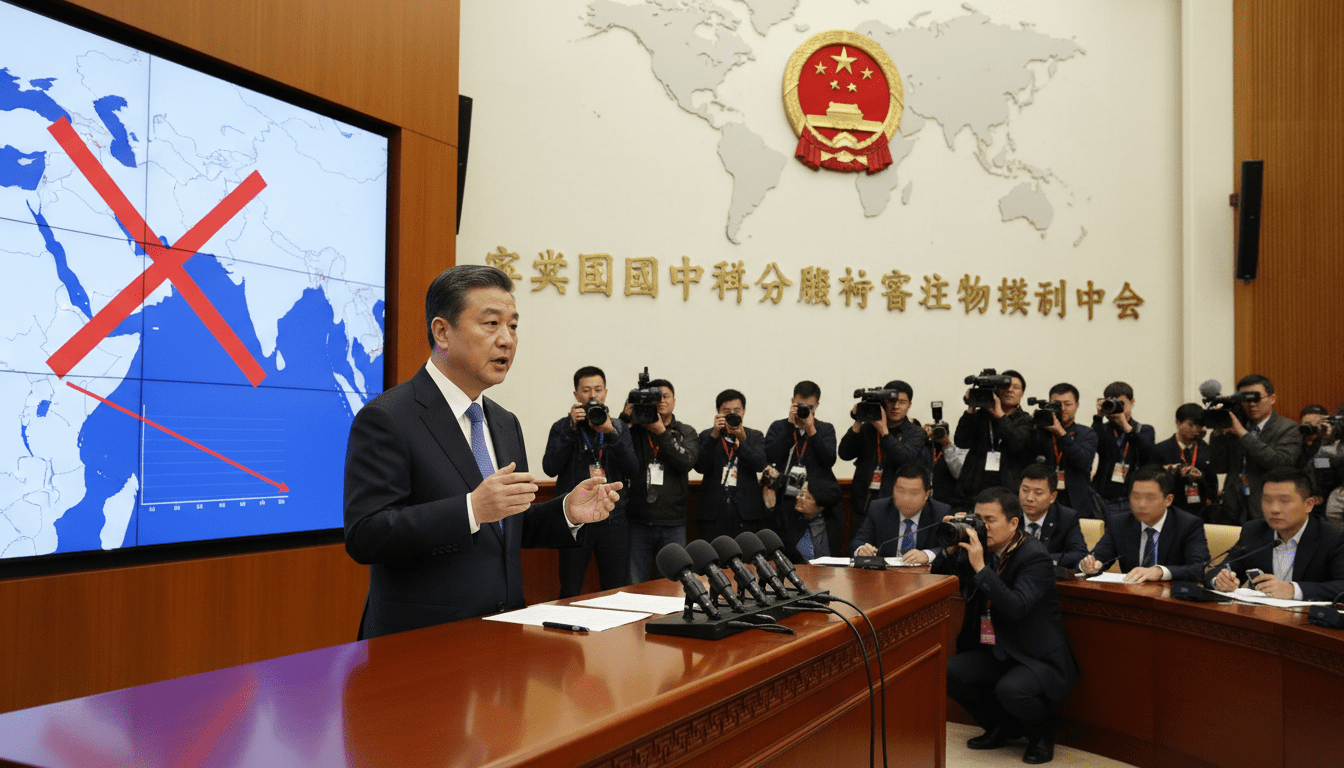
Chinese Foreign Minister Wang Yi told his Iranian counterpart on April 23, 2025, that the United States and Israel’s campaign against Iran is “illegitimate” and that Beijing is prepared to intensify efforts to de-escalate the conflict. The comment came during talks with Iranian Foreign Minister Abbas Araghchi in the Chinese capital, where both sides emphasized the urgency of a ceasefire and direct negotiations.
Wang Yi Brands Campaign ‘Illegitimate’
Wang Yi characterized the US-Israel war against Iran as lacking legal and moral justification, according to Chinese statements released after the meeting. He said the region stands at a “critical juncture” and warned that continued military action risks broader destabilization.
The Chinese foreign minister called for an immediate halt to hostilities and framed Beijing’s position as rooted in international law and the need to protect civilian populations. His remarks underline China’s effort to present itself as a mediator willing to challenge the policies of Washington and its allies.
Beijing Urges a Complete Ceasefire
China repeatedly emphasized that “a complete ceasefire is essential” to allow diplomacy to proceed, Wang told Araghchi, signaling Beijing’s intent to press both sides toward cessation of hostilities. The call aligns with wider international appeals for pauses in fighting to enable humanitarian access.
Chinese officials suggested that a ceasefire would create the space for direct meetings between the parties involved, a condition Beijing described as necessary for any durable settlement. The emphasis on negotiation mirrors Beijing’s long-standing preference for political solutions to regional crises.
Iran Praises China as a Close Friend
Abbas Araghchi thanked China for its “firm stance” and for condemning the United States and Israel, describing Beijing as “a close friend of Iran.” He labeled the campaign an act of aggression and a “flagrant violation of international law,” asserting Tehran’s determination to defend its rights in any talks.
Araghchi told Chinese hosts that Iran would seek a “fair and comprehensive agreement” and pledged to protect its legitimate interests during negotiations. His comments reflect Tehran’s dual approach of engaging in diplomacy while signaling readiness to press hard on its demands.
Push for Direct Talks Between Parties
Both ministers stressed the need for direct dialogue rather than proxy negotiation, with Wang explicitly calling for meetings between the sides to reduce miscalculation and build confidence. Beijing framed face-to-face talks as the most viable path to a stable outcome and an end to civilian suffering.
Chinese diplomats have proposed shuttle diplomacy and multilateral forums as mechanisms to bring parties together, while Tehran has insisted on negotiating terms that address security guarantees and relief from external military pressure. The tension between mediation formats underscores the complexity of assembling a neutral platform acceptable to all parties.
Regional Stakes and Risk of Escalation
Analysts note that the conflict’s expansion could draw neighboring states and non-state actors deeper into confrontation, further complicating diplomatic efforts. China’s warnings point to a concern shared by many governments that localized strikes could ignite wider regional warfare and disrupt global energy and shipping routes.
Beijing’s approach also reflects its economic and strategic interests in the Middle East, where stability is crucial to trade and infrastructure projects. For Iran, the stakes are sovereignty and survival; for the United States and Israel, officials have framed military actions as responses to perceived threats, creating a hard diplomatic divide.
Diplomatic Dynamics and International Responses
China’s public condemnation of the US-Israel campaign places Beijing alongside other states calling for restraint, but it also marks a sharper rhetorical break with Washington than in some previous crises. The meeting in Beijing signals China’s readiness to play a more active diplomatic role even as it balances ties with multiple regional actors.
Global reactions are likely to be mixed: some governments will welcome China’s mediation push and ceasefire appeal, while others may view Beijing’s language as one-sided. The outcome of any negotiations will depend on whether the United States and Israel engage with the mediation framework Beijing proposes and whether Tehran accepts compromises.
The meeting between Wang Yi and Abbas Araghchi in Beijing on April 23, 2025, highlighted China’s positioning as a facilitator and critic of military approaches to the crisis. Both sides concluded their talks reiterating the need for immediate de-escalation and a negotiated settlement.
China’s intervention raises questions about the next diplomatic steps and whether direct talks can be arranged in the coming weeks. Observers will watch whether Beijing can convene a credible process that brings reluctant capitals to the table and whether any ceasefire offers a durable pause for meaningful negotiations.
