
Child sexual abuse in Germany tops 20,000 as BKA warns of online grooming
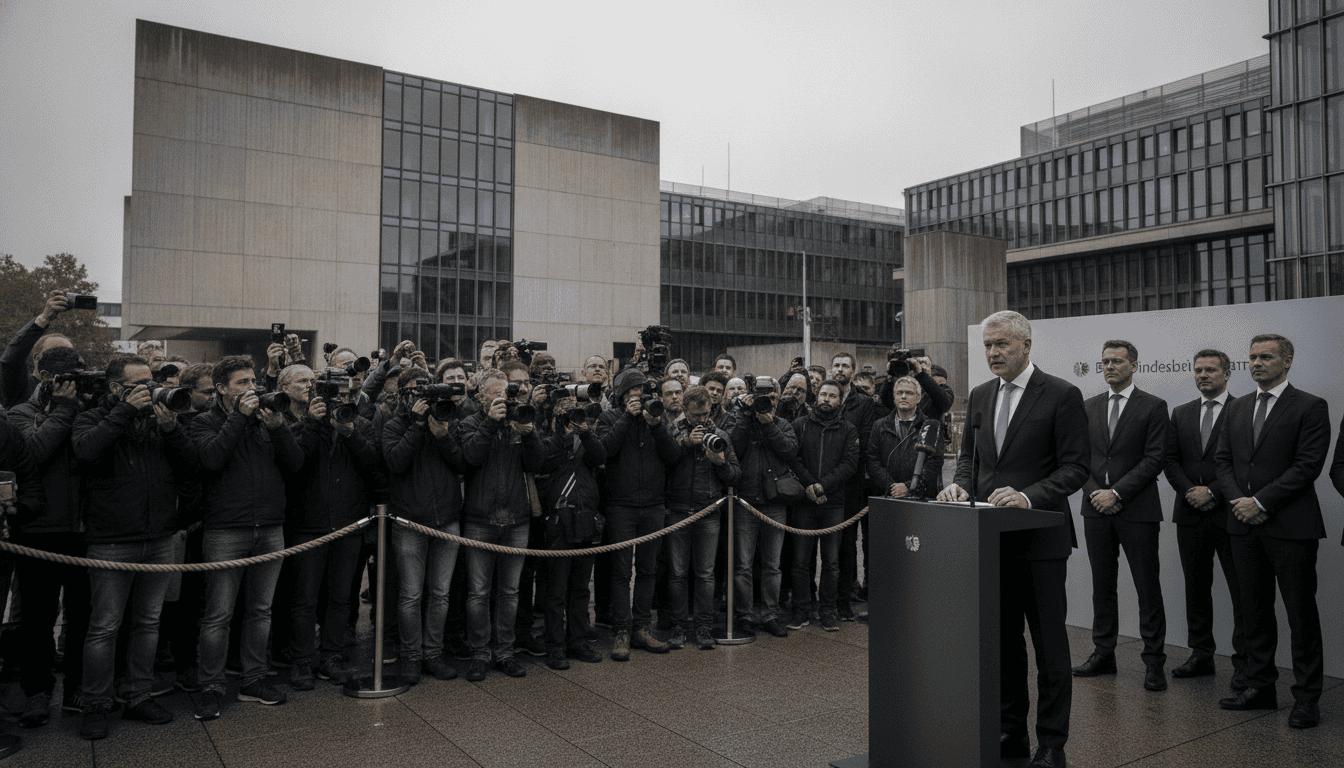
More than 20,000 children and adolescents were reported victims of sexual abuse in Germany, prompting Interior Minister Andreas Dobrindt and the Federal Criminal Police Office (BKA) to call the figures alarming and highlight the growing role of online grooming. Officials say the number marks a year-on-year increase and point to social media, online games and chat platforms as frequent points of contact used by suspects. The rise has triggered policy discussions on prevention, public safety measures in transport hubs and renewed scrutiny of custodial incidents and cultural funding decisions elsewhere in Europe.
Interior minister labels rise in cases ‘alarming’
Interior Minister Andreas Dobrindt described the reported increase in child sexual abuse cases as deeply troubling and said the numbers demand stricter prevention and enforcement measures. Authorities recorded a four percent rise compared with the previous year, according to the figures he cited. Dobrindt urged coordinated action across federal and state agencies to address both immediate risks and long-term protection strategies for children.
BKA highlights online games and chats as grooming channels
The Federal Criminal Police Office warned parents that online games and chat services are commonly used to establish contact between offenders and young victims. Investigators said many assaults are preceded by long periods of online communication in which trust is built before in-person meetings occur. The BKA called for heightened parental awareness, stronger reporting mechanisms on platforms, and expanded digital literacy education for children and caregivers.
Deutsche Bahn plans nationwide alcohol ban at stations
Deutsche Bahn announced plans to extend existing alcohol bans at major hubs to cover all train stations nationwide, with the measure slated to be in force by October 15 at the latest. The operator said the move aims to reduce conflicts and improve safety for passengers and staff. Several large stations, including those in Frankfurt, Hamburg and Cologne, already enforce alcohol restrictions, and the planned expansion reflects a push for consistent rules across the network.
Suspect in Stade mother-child facility killings dies in custody
A man accused of killing six people at a mother-and-child facility near Stade in late June has died in custody, the penal institution overseeing his detention reported. Officials said there were no indications of third-party involvement in the death and that it occurred while the suspect was in the facility. The killings, which investigators have linked to an apparent custody dispute over the suspect’s daughter, remain the subject of ongoing inquiries into motive and procedural details.
Political backlash over surrogacy comments intensifies debate
Former CDU leader Armin Laschet publicly criticized jurist Susanne Brosius-Gersdorf for her stance on a proposed ban on surrogacy, arguing that her view conflicted with what he described as women’s right to self-determination. Brosius-Gersdorf has expressed opposition to an absolute prohibition, framing the issue as a matter of personal autonomy for women. The exchange has reignited broader debates in parliament and civil society about reproductive rights, family law and the role of the judiciary in such contentious ethical questions.
Violence in Bologna and EU funding cut stir international attention
Internationally, protests erupted in Bologna after a video showing police restraining a Moroccan migrant who later became unresponsive sparked clashes between demonstrators and police. Local authorities reported multiple injuries as tensions escalated in the wake of the incident. Separately, the European Union announced it would stop a €2 million cultural grant to the Venice Biennale after Russia resumed its national presence at the event, marking a shift in EU cultural funding policy linked to the geopolitical fallout from the Ukraine conflict.
The cluster of developments — a documented rise in child sexual abuse cases, warnings about online grooming, the expansion of public-safety measures on transport networks, the death of a high-profile suspect in custody, heated political debate on surrogacy, and international reactions to Russia’s return to the Biennale — underscores a fraught period for policymakers. Officials and civil society groups now face mounting pressure to combine prevention, policing and public education while upholding legal safeguards and transparent investigations.
