
Blood Pressure Ranges Explained: What Readings Mean and When to Act
A concise guide to blood pressure ranges, what the numbers signify, and when elevated readings require medical attention. Learn the thresholds for elevated, stage 1, stage 2 and hypertensive crisis and practical steps to manage risk.
High-level guidance on what constitutes a normal or concerning result is critical as clinicians and public health bodies refine screening and treatment thresholds. Blood pressure ranges are defined by systolic (top) and diastolic (bottom) numbers and are used to classify readings as normal, elevated, stage 1 or stage 2 hypertension, or a hypertensive crisis. Clear thresholds help clinicians decide when to recommend lifestyle changes, start medication, or seek emergency care. (heart.org)
How blood pressure is measured and reported
Blood pressure is recorded as two numbers: systolic over diastolic, measured in millimeters of mercury (mm Hg). Systolic pressure reflects the force when the heart contracts; diastolic is the pressure while the heart relaxes between beats. Readings are usually taken with an automated cuff in clinic or with validated home monitors; clinicians often confirm high readings with repeated measurements or ambulatory monitoring to rule out white-coat or masked hypertension. (healthline.com)
Elevated and Stage 1 thresholds and their implications
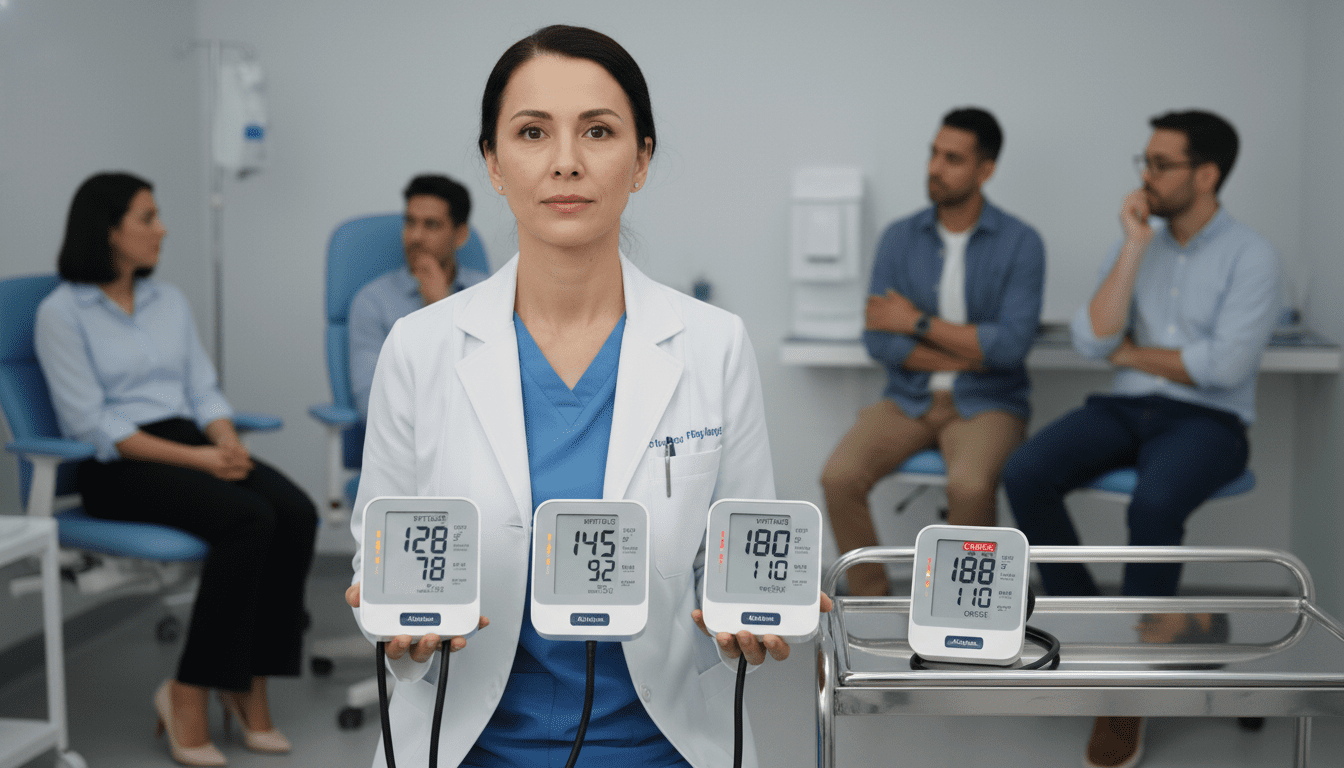
Elevated blood pressure is defined as a systolic reading of 120–129 mm Hg with a diastolic below 80 mm Hg. Stage 1 hypertension is present when systolic measures fall between 130–139 mm Hg or diastolic between 80–89 mm Hg. These classifications are used to identify people who may benefit from lifestyle interventions and, depending on cardiovascular risk, possible pharmacologic treatment to lower future risk of heart disease and stroke. (heart.org)
Stage 2 and hypertensive crisis: thresholds for treatment and emergencies
Stage 2 hypertension is defined as a systolic pressure of 140 mm Hg or higher, or a diastolic pressure of 90 mm Hg or higher, and typically prompts both lifestyle changes and antihypertensive medication. A hypertensive crisis is generally defined as a systolic above 180 mm Hg and/or a diastolic above 120 mm Hg; when accompanied by symptoms of organ damage it is considered an emergency that requires immediate medical attention. If such readings appear without symptoms, guidelines recommend repeating the measurement after a short rest and urgent evaluation if the elevated level persists. (nhlbi.nih.gov)
Symptoms, silent progression, and common complications
High blood pressure often produces no symptoms until it causes significant organ damage, which is why it is frequently called a “silent” condition. When symptoms do occur during extremely high readings they may include severe headache, confusion, vision changes, or nosebleeds — signs that immediate care is warranted. Persistently elevated pressure accelerates arterial damage, increasing the risk of heart attack, stroke, heart failure and chronic kidney disease over time. (newsroom.heart.org)
Key causes and risk factors linked to higher readings
Risk of hypertension rises with age and with factors that stiffen arteries or increase circulatory demand. Common contributors include family history, excess dietary sodium, obesity, heavy alcohol use, smoking, untreated sleep apnea, and certain chronic conditions such as diabetes and kidney disease. Pregnancy can also produce specific hypertensive disorders, such as preeclampsia, which require specialized obstetric care. (nhlbi.nih.gov)
Prevention, home monitoring and treatment options
Reducing blood pressure begins with lifestyle strategies: a DASH-style diet rich in vegetables, fruits and whole grains, significant reduction in sodium intake, regular aerobic activity amounting to roughly 150 minutes per week, limiting alcohol, maintaining healthy weight, getting adequate sleep, and applying stress-management techniques. Clinicians may recommend home blood pressure monitoring to track trends and confirm diagnoses; consistent stage 2 readings or high-risk stage 1 readings usually prompt initiation of antihypertensive medication, often combined with lifestyle measures. For severe elevations or signs of organ injury, urgent intensification of therapy is required. (newsroom.heart.org)
Regular screening and early action remain central to reducing the downstream harms of hypertension. Knowing your own blood pressure ranges, confirming abnormal results with repeated or ambulatory measurements, and discussing personalized thresholds and treatment plans with a healthcare provider can substantially lower the risk of heart attack, stroke and kidney disease.
